HX-2
Helsing's autonomous loitering munition; combat-proven in Ukraine; NATO-tested; €1.46 bn German contract.
Last refreshed: 28 July 2026 · Appears in 1 active topic
Can Flytrap 5.0 open the US Army to European autonomous-strike procurement?
Timeline for HX-2
Mentioned in: Berlin startup priced ahead of delivery
Drones: Industry & DefenceAchieved 15 kills and 2 near-misses across 17 engagements in GPS-denied EW-contested Lithuanian exercise
Drones: Industry & Defence: German AI drone passes US Army testMentioned in: Anduril's numbers defer profit to 2030
Drones: Industry & DefenceHelsing HX-2 confirmed in Ukraine combat
Drones: Industry & DefenceAwarded €269M initial contract with €1.46B framework by Germany
Drones: Industry & Defence: Helsing closes $18bn round, led by DragoneerBackground
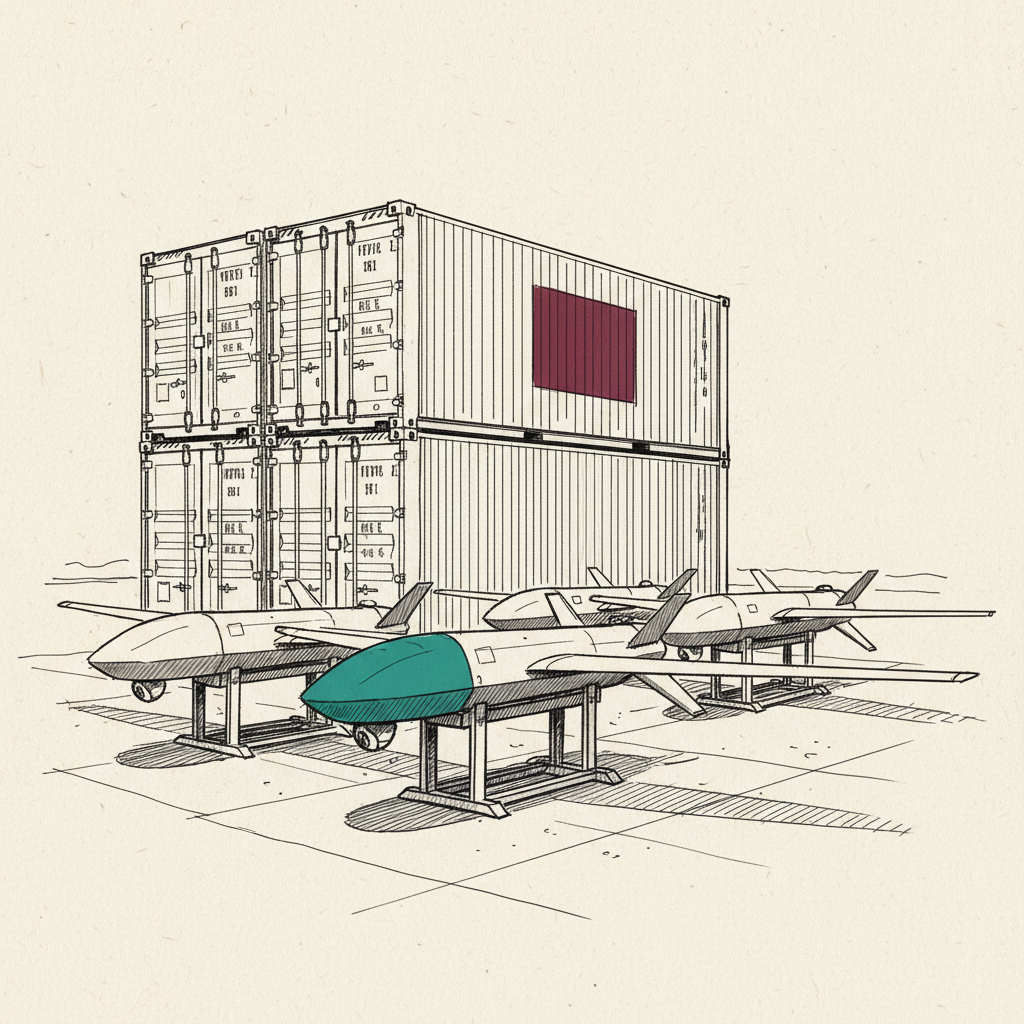
The HX-2 is Helsing's one-way effector (loitering munition), the primary hardware product underpinning the Munich-based defence-AI company's transition from software-only to integrated weapons development. It uses AI-enabled targeting, GPS-denied navigation and electronic-warfare-resistant guidance to prosecute ground targets autonomously. Germany awarded Helsing a €269 million initial contract in 2025, within a framework ceiling of €1.46 billion over seven years, covering an initial tranche of 4,300 units for the Bundeswehr brigade in Lithuania.
The HX-2 has accumulated a verified combat record in Ukraine, where it has been cleared for frontline use and confirmed hitting Russian targets in GPS-denied, EW-contested conditions, making it the most operationally tested European loitering munition at scale. On 9 June 2026, US Army V Corps put the HX-2 through Project Flytrap 5.0 at Pabrade Training Area, Lithuania, achieving 15 kills and 2 near-misses across 17 engagements (88%) in a GPS-denied, EW-contested exercise, the first confirmed US Army operational test of a European autonomous strike drone on NATO's eastern flank.
Helsing's $18 billion valuation (May 2026) was anchored in part by the HX-2 contract providing investors a modellable government revenue floor. The system competes directly with AeroVironment's Switchblade 400 in the anti-armour loitering category. The Flytrap result opens a pathway to US procurement consideration and further validates the European model of combining combat-proven field data with NATO interoperability trials.
What is the Helsing HX-2 loitering munition?
Is the HX-2 being used in Ukraine?
How does the HX-2 compare to the Switchblade 400?
What is the total value of Germany's HX-2 contract?
What is the HX-2 drone and who makes it?
Has the HX-2 been used in Ukraine?
What happened at the US Army Project Flytrap 5.0 test?
How much is the Helsing HX-2 contract worth?


