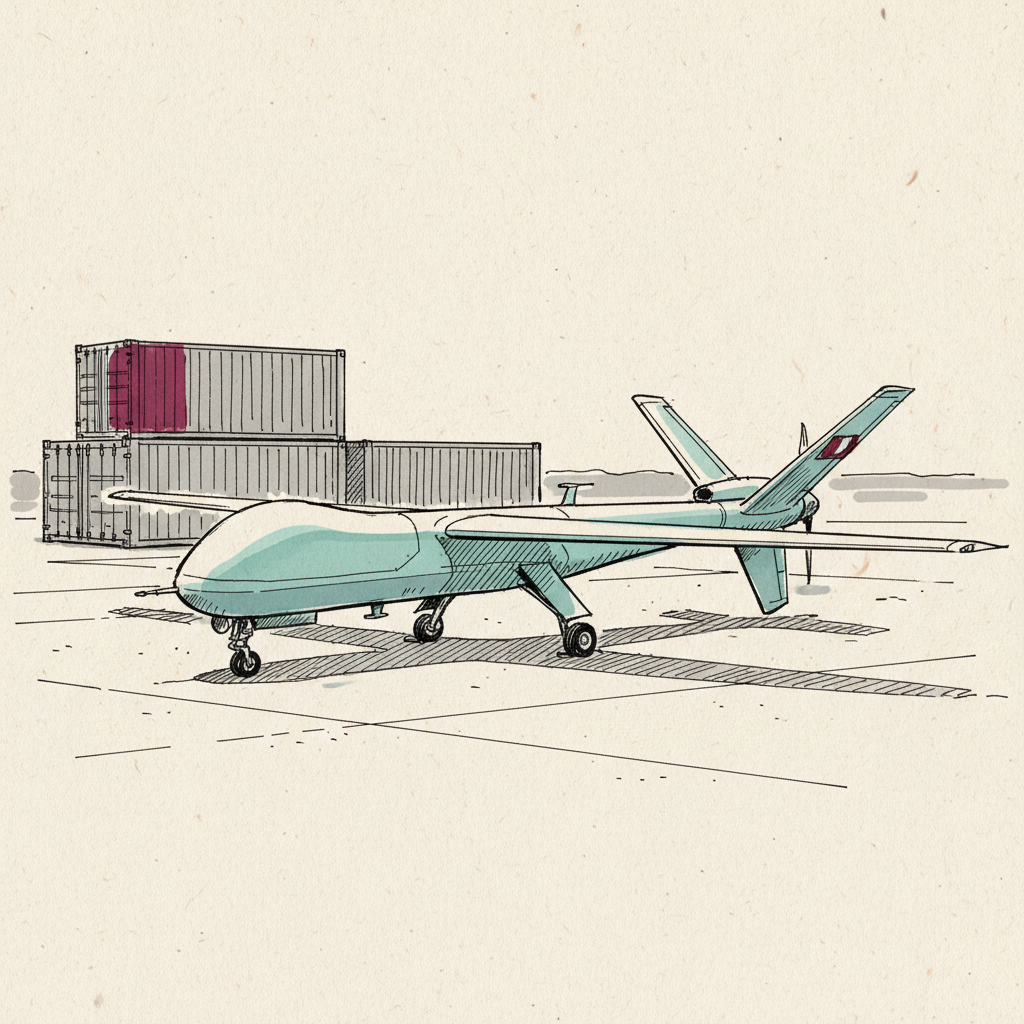
Safran Patroller
French tactical surveillance drone cancelled April 2026; €600M redirected to small tactical systems.
France cancelled Safran Patroller on 8 April, redirecting €600m towards smaller tactical drones and low-altitude MALE systems. The decision placed the long-developed surveillance aircraft outside France’s future drone fleet.
Last refreshed: 1 October 2026 · Appears in 1 active topic
Why did France cancel the Patroller drone after a decade of development?
Timeline for Safran Patroller
Mentioned in: France buys 50 Harmattan AI interceptors
Drones: Industry & Defencecancelled by France in the updated military programming law
Drones: Industry & Defence: France scraps two drones for mass buysBackground
Built by Safran for French tactical surveillance, Safran Patroller was designed for medium-altitude missions requiring extended endurance and target acquisition. The aircraft belonged to the class of unmanned systems intended to give land forces persistent observation without placing a CREW in the air.
Patroller’s significance rests on the procurement choice it came to represent. France cancelled the programme on 8 April 2026 while moving funds towards smaller tactical drones and low-altitude MALE systems. The cancelled platform remains a useful reference point for the shift from large, long-developed surveillance aircraft towards systems that can enter service faster.
France abandons the Patroller
On 8 April, France cancelled Safran Patroller while redirecting €600m towards small tactical drones and low-altitude MALE systems. The decision ended the aircraft’s intended role in France’s surveillance fleet after a long development effort.
France’s order for 50 Harmattan AI Zephyr interceptors on 23 September showed the new procurement emphasis in action. Those 2.2kg aircraft are expendable interceptors rather than surveillance platforms, but the purchase favoured a younger, smaller system over the class of large programme that Patroller represented.
Why did France cancel the Safran Patroller drone?
What happened to the Eurodrone programme?
What is the Safran Patroller drone?

