Will the FCA's Stack BTC review land before polling day, and does it damage Farage?
Timeline for Daisy Cooper
Mentioned in: RPA Bill stranded, FCA review without probe
UK Local Elections 2026VAC pace lags; FCA reviews Stack BTC
UK Local Elections 2026Mentioned in: Lib Dems ask FCA to probe Farage crypto stake
UK Local Elections 2026Background
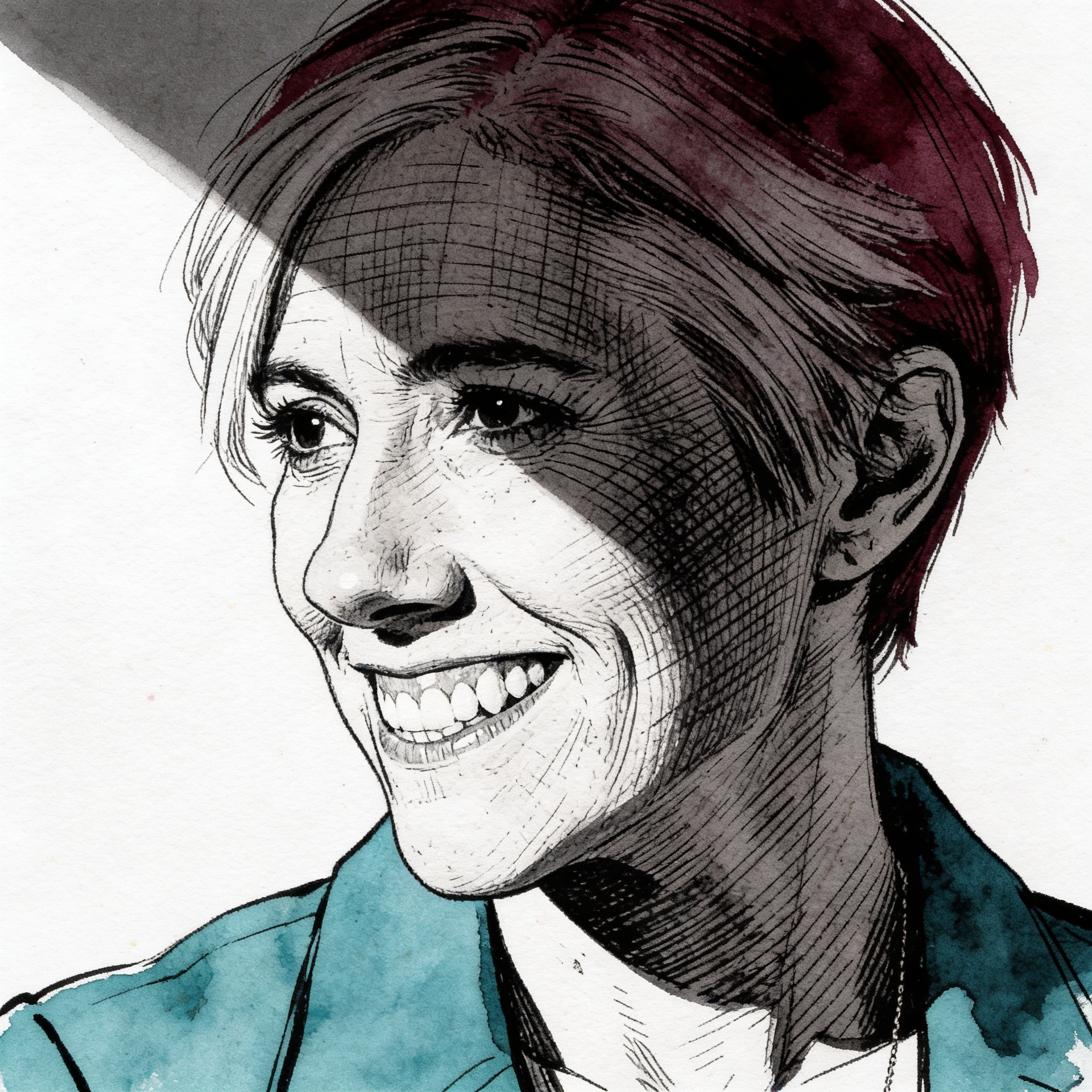
Daisy Cooper is the deputy leader of the Liberal Democrats and MP for St Albans. On 14 April 2026, she wrote formally to FCA chief executive Nikhil Rathi requesting an investigation into Nigel Farage's £215,000 personal stake in crypto firm Stack BTC, citing his appearance in the company's promotional material and a claimed £2 million purchase on The Firm's behalf. The FCA subsequently confirmed it had received the complaint and was reviewing the matter.
Cooper was Born on 29 October 1981 and holds an LLB from the University of Leeds and an LLM in public international law from the University of Nottingham. Before Parliament she worked at the Commonwealth Secretariat, Voluntary Service Overseas, and the Hacked Off campaign. She was elected MP for St Albans at the 2019 general election, unseating a sitting Conservative, and re-elected with an increased majority in 2024. She has been Lib Dem deputy leader since September 2020 and serves as the party's Treasury spokesperson.
The Stack BTC complaint is the second regulator-facing action she has led in 2026; she also pressed the Electoral Commission on Reform UK's unverified Cryptocurrency donations. The FCA review runs alongside the Lib Dems' broader positioning as the leading voice on financial accountability during the campaign.
Who is Daisy Cooper and why did she write to the FCA?
What is the FCA investigation into Nigel Farage about?
What is Daisy Cooper's complaint to the FCA about?
Who is Daisy Cooper and what role does she play in the Lib Dems?
Has the FCA opened a formal investigation into Farage's crypto dealings?
Written with AI from Lowdown's published reporting. Not individually reviewed by an editor. Updated 26 April 2026. Editorial standards.