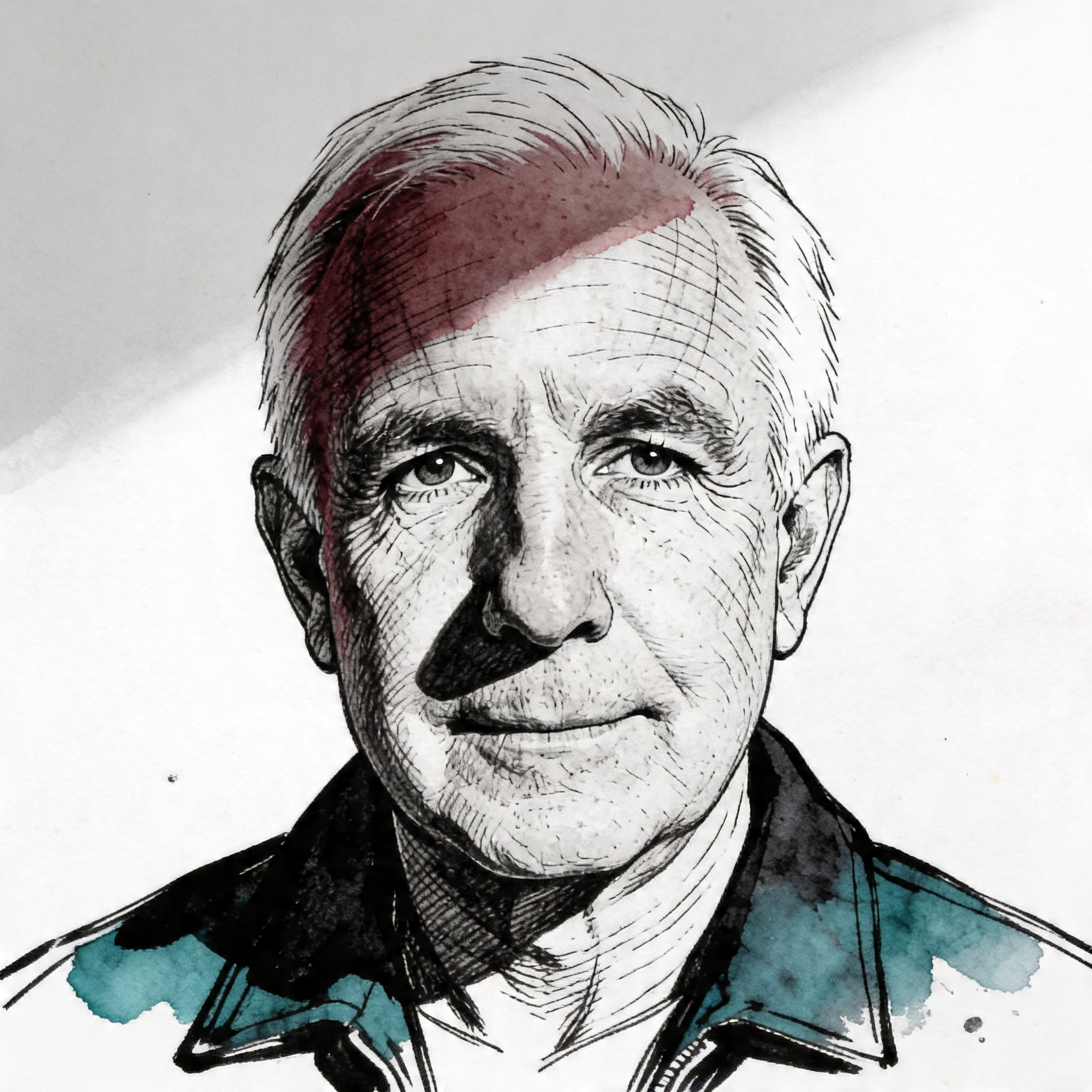
Carlos Giménez
Florida Republican congressman; co-led the February 2026 push to revoke all US business licences for Cuban state entities.
Last refreshed: 15 April 2026 · Appears in 1 active topic
How much sway do Florida's Cuban-American lawmakers have over US Cuba policy in 2026?
Timeline for Carlos Giménez
Issued the press release endorsing EO 14404 as targeting the regime's security apparatus
Cuba Dispatch: Florida Republicans take credit for EO 14404Co-signed joint letter to OFAC and BIS demanding Cuba licence revocation
Cuba Dispatch: Florida Republicans push for Cuba licence purgeWho is Carlos Giménez and why is he pushing to cancel Cuba licences?
What would happen if the US revoked all Cuba business licences?
Which Florida Republicans are pushing hardest on Cuba policy in 2026?
Background
Carlos Giménez is a Republican US Representative for Florida's 26th congressional district (Miami-Dade) and a former Mayor of Miami-Dade County. On 11 February 2026, Giménez co-signed a joint letter with Representatives Mario Díaz-Balart (FL-25) and María Elvira Salazar (FL-27) to OFAC and the Bureau of Industry and Security demanding a comprehensive review and revocation of every active licence authorising US business with Cuban state-controlled entities.
Giménez was Born in Havana and arrived in the United States as a child; his Cuban-origin constituency makes him a consistent hardliner on Cuba policy. He served as Miami-Dade County Mayor from 2011 to 2020 before his 2020 congressional election. In Congress he has consistently backed maximum-pressure approaches to Cuba, Venezuela, and Nicaragua, aligning with a cohort of South Florida Cuban-American lawmakers who wield significant influence over US Caribbean and Latin American policy.
The February 2026 letter represents a push to accelerate and deepen EO 14380's impact by eliminating any remaining formal business channels between US entities and Cuban state organisations. For US companies holding licences for humanitarian, agricultural, or telecommunications business in Cuba, a successful licence purge would sever those channels entirely, removing any commercial cushion from the secondary sanctions regime.