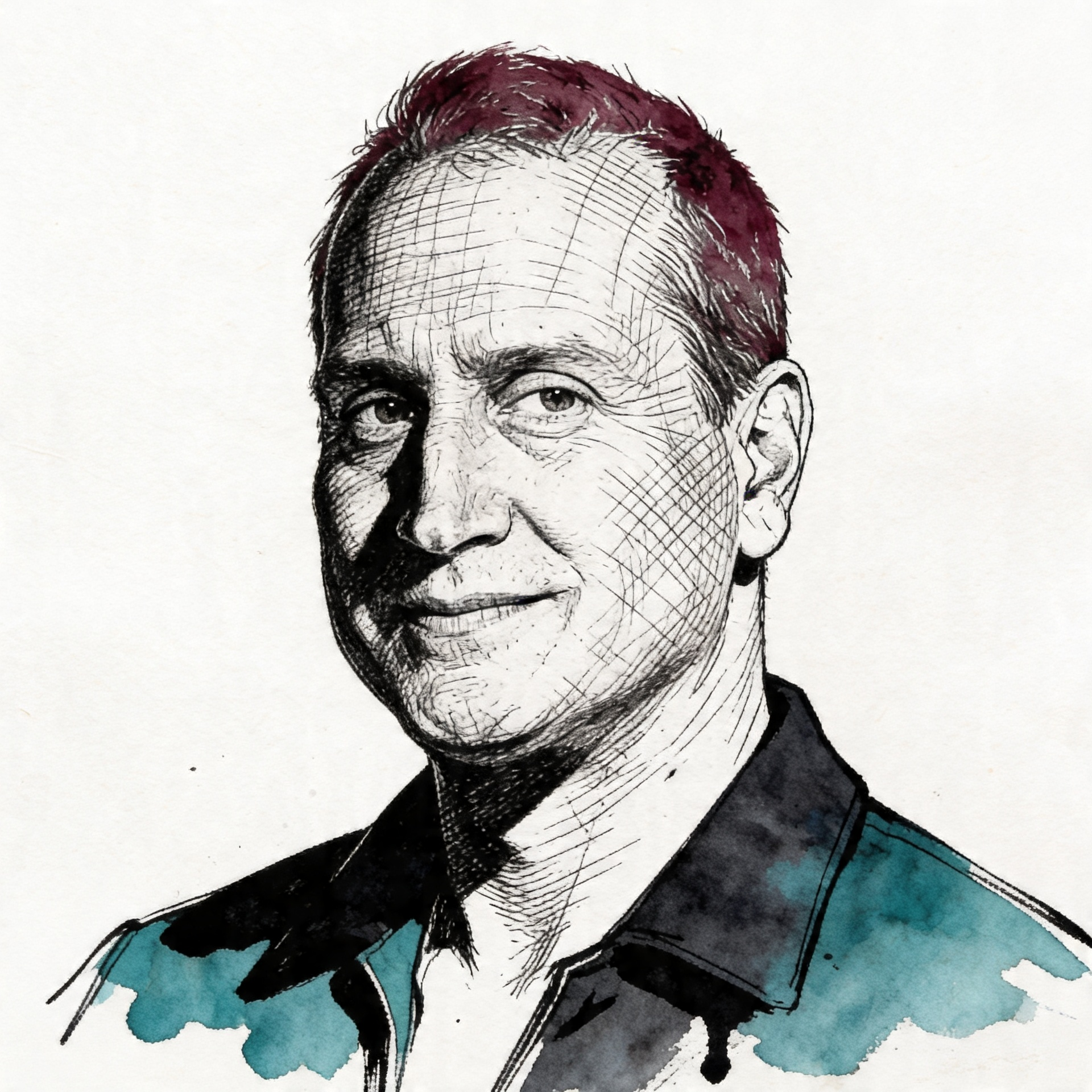
Mario Díaz-Balart
Florida Republican congressman, architect of LIBERTAD Act Cuba sanctions
Last refreshed: 7 May 2026 · Appears in 1 active topic
Why is Diaz-Balart demanding OFAC revoke Cuba business licences now?
Timeline for Mario Díaz-Balart
Aligned publicly with the Giménez endorsement of EO 14404
Cuba Dispatch: Florida Republicans take credit for EO 14404Co-signed joint letter to OFAC and BIS demanding Cuba licence revocation
Cuba Dispatch: Florida Republicans push for Cuba licence purgeWho is Mario Diaz-Balart and what does he want on Cuba?
What is the LIBERTAD Act and who wrote it?
Who is Mario Díaz-Balart and what is his Cuba policy role?
Background
Mario Diaz-Balart (FL-25) co-signed the February 2026 letter alongside Maria Elvira Salazar and Carlos Gimenez, demanding OFAC and BIS Conduct a comprehensive review and revocation of every active licence authorising US commerce with Cuban state-controlled entities. The letter specifically invoked the LIBERTAD Act, the legislation Diaz-Balart helped craft in the 1990s.
Diaz-Balart has represented Florida's 25th Congressional District since 2011 and previously served in the House from 1993 to 2009. Born in Fort Lauderdale to a prominent Cuban political family, his father Rafael Diaz-Balart was a senator under Batista. He serves on the House Appropriations Committee and has been among the most consistent and influential advocates for hardline Cuba policy across multiple administrations.
His longevity in Congress and appropriations seat give him tangible leverage over Cuba-related spending and policy. His position on the LIBERTAD Act carries particular weight as that legislation underpins the Helms-Burton framework enforced by current secondary sanctions.