Būtingė
Būtingė is Lithuania's Baltic Sea oil export terminal on the Nemunas delta, operated by ORLEN Lietuva; it serves as the loading point for Druzhba-pipeline crude and occasional seaborne Russian supply.
Last refreshed: 15 June 2026 · Appears in 1 active topic
How did Lithuania cut Russian crude imports 20 years before the rest of Europe?
Background
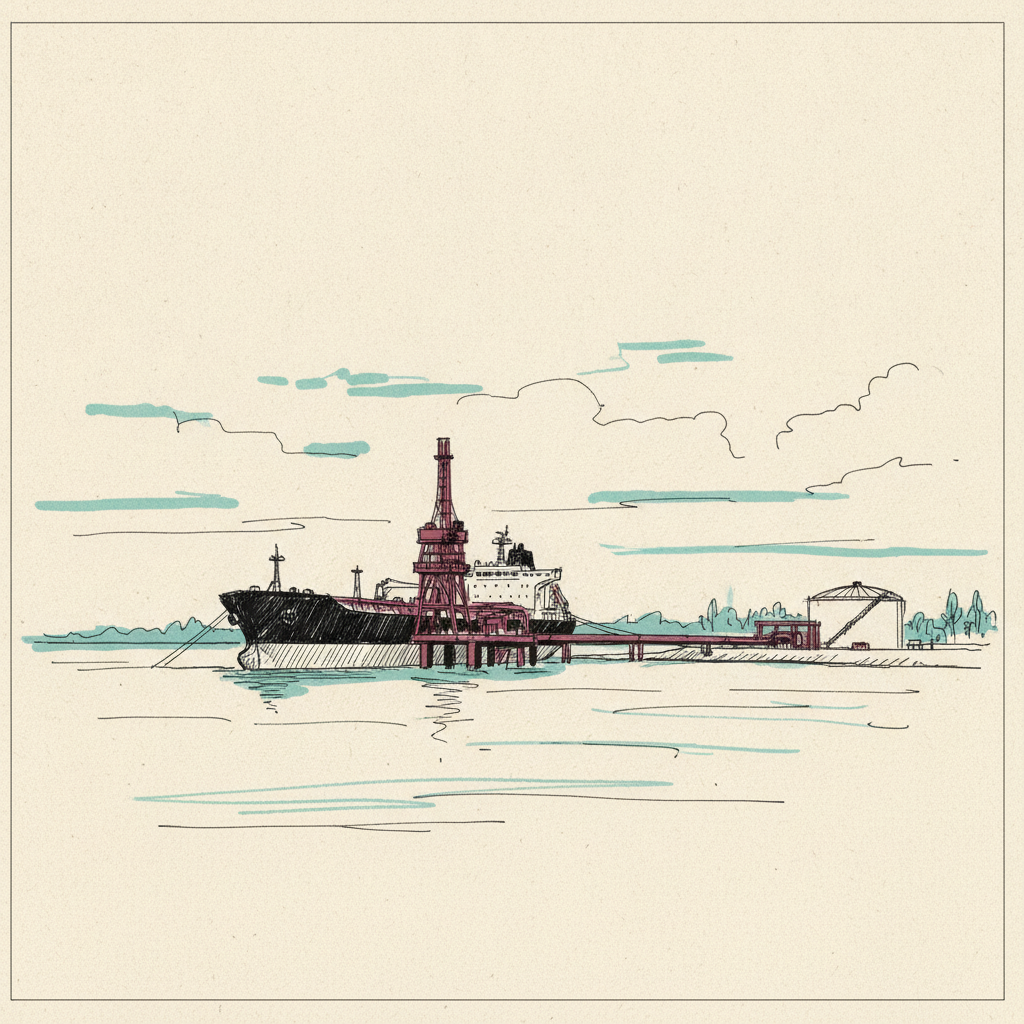
Būtingė is Lithuania's sole seaborne crude oil import terminal, located on the Baltic Sea coast near the town of Skuodas in the north-west of the country. The terminal receives tanker deliveries of crude from global seaborne markets and transfers them via an 91.5km pipeline to the Mažeikiai refinery operated by Orlen Lietuva (a subsidiary of Poland's PKN ORLEN), which is the only oil refinery in the Baltic states and covers the bulk of regional fuel demand. Lithuania cut its final imports of Russian crude via the Druzhba pipeline in 2006, and Būtingė has since been the exclusive crude supply route for Mažeikiai.
The terminal was originally constructed in the 1990s as part of a post-Soviet infrastructure programme and can handle a range of crude grades. Because it operates entirely on seaborne supply, Mažeikiai is exposed to Atlantic Basin and North Sea crude pricing rather than Druzhba-linked Russian crude; this is the basis for the frequent analytical claim that the Baltic refinery complex is the most sanctions-resilient in the EU, having already de-Russified its crude diet two decades before the broader European push. The terminal can berth Aframax-size tankers (around 80,000-120,000 dwt), limiting exposure to the very-large crude carriers that dominate long-haul routes but keeping Būtingė accessible to the North Sea spot market.
For the European oil markets desk, Būtingė and Mažeikiai matter as a data point on the viability of Baltic seaborne crude supply independent of pipeline politics. The refinery's throughput is a marginal demand signal for North Sea crudes and Urals alternatives: any shift in its crude diet signals relative pricing between Atlantic Basin grades and the Urals discount that refiners in the region are willing to accept.
What is the Būtingė terminal and how does it supply the Lithuanian refinery?
Did Lithuania stop buying Russian oil and when?
What crude grades does the Mažeikiai refinery use if not Russian oil?
Why does the Baltic states having only one refinery matter for EU energy security?
