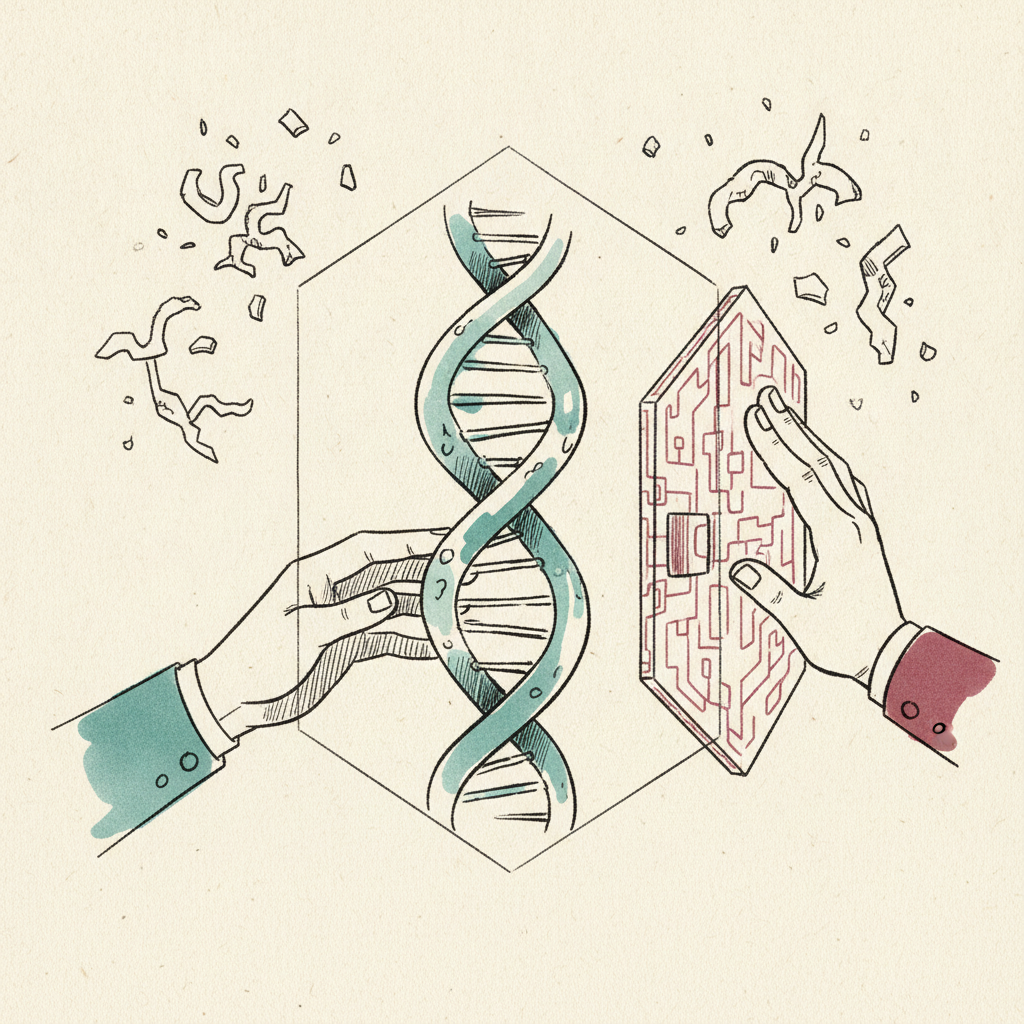
Biosecurity Modernization and Innovation Act
US Senate bill requiring gene-synthesis providers to screen orders against AI-designed hazardous biological sequences.
Last refreshed: 9 June 2026 · Appears in 1 active topic
Does the Biosecurity Modernization Act cover AI-designed pathogen sequences, not just known ones?
Timeline for Biosecurity Modernization and Innovation Act
Mentioned in: Britain edges DNA screening into law
Pandemics and BiosecurityNo country yet screens DNA orders
Pandemics and BiosecurityBackground
The Biosecurity Modernization and Innovation Act (S.3741) is a US Senate bill introduced in January 2026 mandating DNA and gene-synthesis providers to screen every order against a federal registry of hazardous sequences, including sequences generated or modified by AI tools. The bill's core requirements include compulsory pre-synthesis screening, mandatory reporting of flagged orders, consolidation of biosecurity oversight across agencies, and minimum security standards for synthesis equipment. Proponents argue that existing voluntary protocols cover only close matches to known pathogens, not novel AI-designed variants. As of June 2026 the bill remained in Senate committee.
Reference
What is the Biosecurity Modernization and Innovation Act?
Why are existing DNA synthesis screening rules not enough?
Is DNA-synthesis screening mandatory in the US?
Why did AI companies back the Biosecurity Modernization and Innovation Act?
Has the Biosecurity Modernization Act passed in 2026?