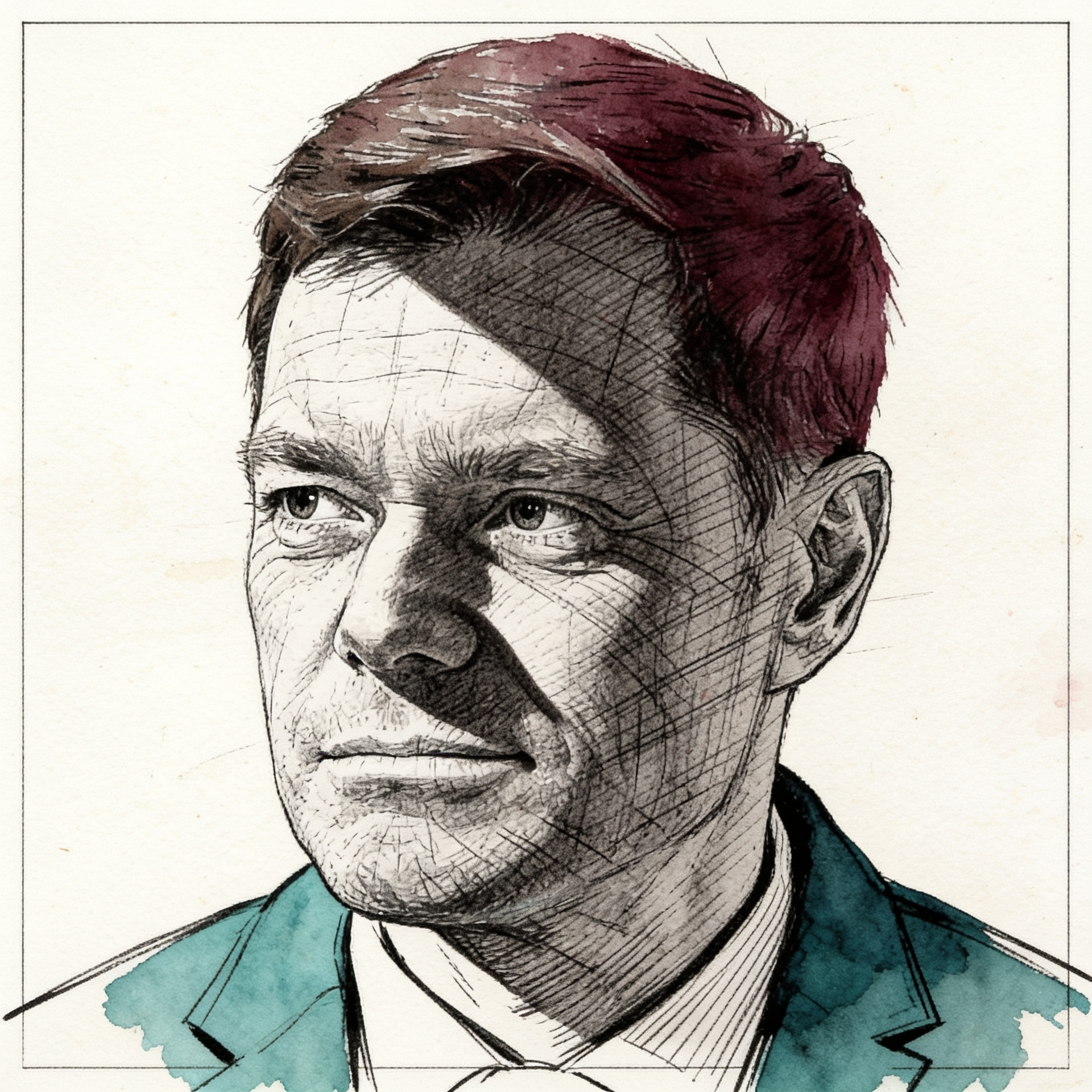
What does Mordashov's candid SPIEF disclosure reveal about Russia's real economy?
Timeline for Alexei Mordashov
disclosed 24% capital spending cut and negative cash flow at SPIEF
Russia-Ukraine War 2026: Russia's oil and gas revenue jumps 32.4% in MayBackground
Alexei Mordashov is the controlling shareholder and chairman of Severstal, one of Russia's largest steel producers. He built his stake through the privatisations of the 1990s and has led the company for over two decades. His estimated net worth of approximately $13 billion makes him one of Russia's wealthiest individuals. He was sanctioned by the EU, UK, and US in 2022 following Russia's invasion of Ukraine, with assets and yachts frozen in European jurisdictions.
Mordashov used his platform at the St Petersburg International Economic Forum in June 2026 to deliver one of the most candid assessments of Russia's war-economy from any major industrialist, disclosing that Severstal had cut capital expenditure by 24% and was running negative cash flow. The admission stands out for its directness at a Kremlin-sponsored event where most executives echoed official optimism. Mordashov framed the situation as structural, implying that Western sanctions, high domestic interest rates, and lost export markets had fundamentally altered investment conditions.
What did Mordashov say about Russia's economy at SPIEF 2026?
Is Alexei Mordashov sanctioned?
How wealthy is Alexei Mordashov?
Who is the chairman of Severstal?


Written with AI from Lowdown's published reporting. Not individually reviewed by an editor. Updated 9 June 2026. Editorial standards.