AI fear
Worker paralysis from perceived AI threat; froze hiring 56% despite limited actual displacement.
Last refreshed: 28 March 2026
Hiring collapsed 56% but AI hasn't actually replaced many workers: is the fear worse than the reality?
Timeline for AI fear
Mentioned in: US added 172,000 jobs, none in tech
AI: Jobs, Power & MoneyMentioned in: Cisco cuts 4,000 on a record quarter
AI: Jobs, Power & MoneyMentioned in: Microsoft's $900M retirement charge obscures 8,750 departures
AI: Jobs, Power & MoneyMentioned in: Stanford: AI costs 34 hires per layoff
AI: Jobs, Power & MoneyMentioned in: Fed admits: no single AI adoption figure
AI: Jobs, Power & MoneyBackground
The concept captures a gap between perception and data. LLM adoption among US workers rose from 30.1% to 38.3% in twelve months, yet NBER research found no net changes in hours or earnings, and Oxford Economics found fewer than 5% of firms report direct AI-driven reductions. The fear is running ahead of the measured displacement.
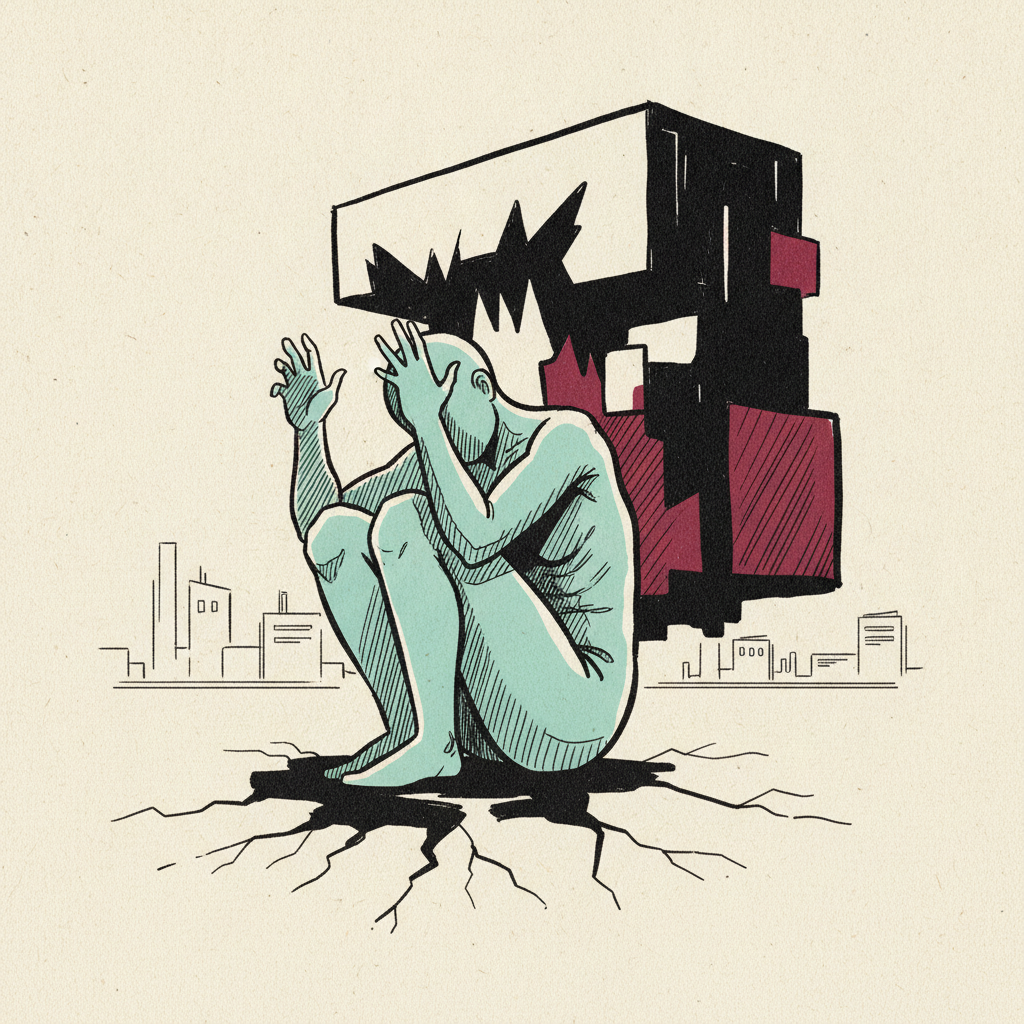
"AI fear" entered the economic vocabulary in early 2026 when UBS chief economist Arend Kapteyn attributed record-low white-collar turnover partly to workers staying in jobs they would otherwise leave, afraid that AI has made them replaceable. Hiring fell 56% year-to-date compared with the same period in 2025. The phenomenon is a demand-side freeze: workers stop moving, employers stop posting, and the Labour market seizes up without mass layoffs.
The Dallas Fed found the actual displacement falls hardest on workers younger than 25, WHO lack the tacit knowledge that AI cannot yet replicate. AI fear is thus simultaneously irrational (aggregate data shows task-shifting, not job destruction) and rational (if you are young, entry-level and in an AI-exposed industry).