Skip to content
Welcome, thoughtbot's Giant Robots listeners!Start here
US Midterms 2026
11NOV

Fairshake FEC Receipts Fall $59M Below Claims

2 min read
18:10UTC

FEC filings show Fairshake holds $171 million in cash, but total receipts of $134 million are $59 million below the $193 million headline figure from the prior briefing.

PoliticsDeveloping
Key takeaway

Fairshake's FEC receipts are $59 million below the publicly claimed war chest figure.

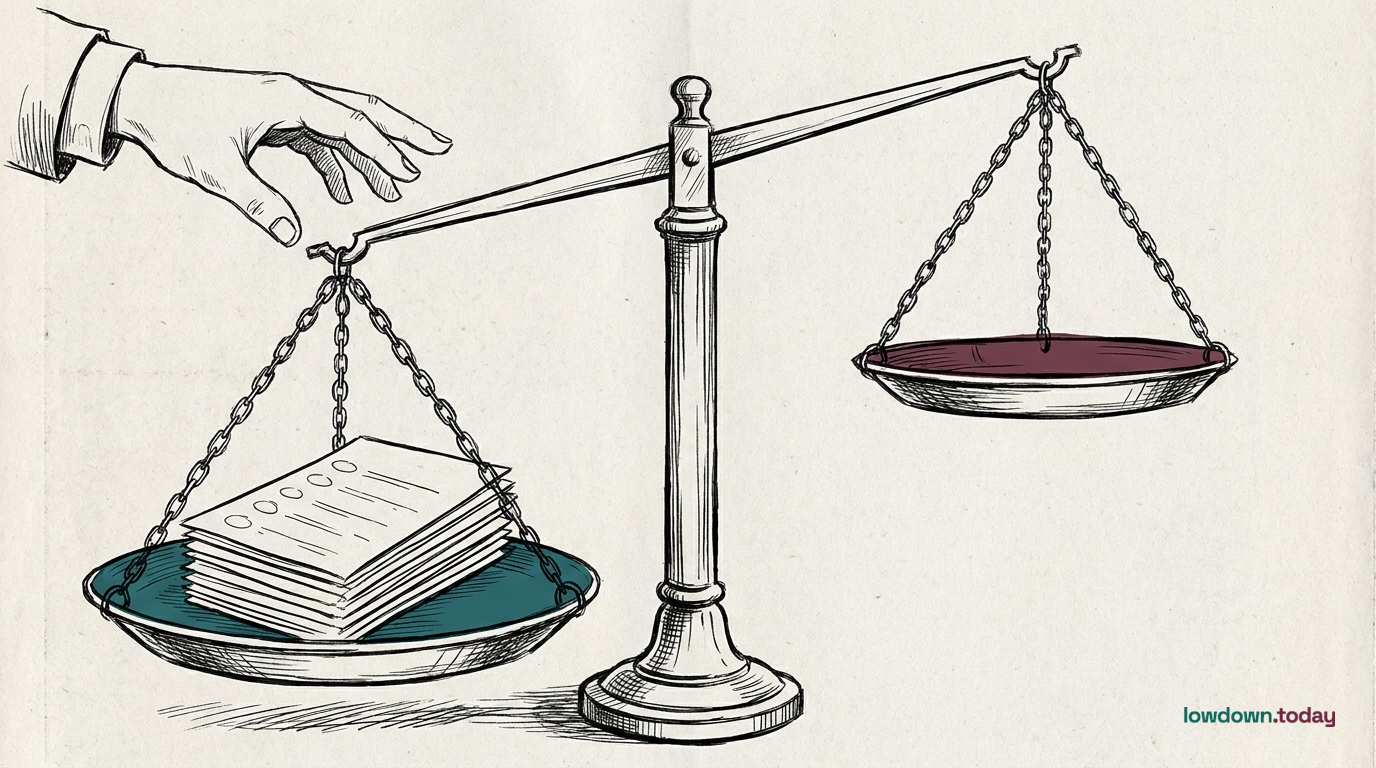
Fairshake, the dominant crypto super PAC, holds $171.4 million in cash on hand per current FEC data⁠1. Total receipts for the 2025-2026 cycle: $134 million. The earlier figure was $193 million; the FEC-filed receipts figure is $59 million lower than the headline number.

The gap warrants scrutiny. Three explanations are plausible: the $193 million included pledges that have not yet converted to reportable contributions, it counted in-kind commitments valued at announcement rather than FEC receipt, or the figure aggregated commitments across Fairshake's affiliated entities in a way that double-counts shared donors. None of these explanations is disqualifying, but each means the operational cash available for 2026 races is closer to $171 million than $193 million.

Fairshake's $171 million in cash still dwarfs the total spending of most individual candidate campaigns by a wide margin. At issue is not whether the PAC has influence but whether headline figures that outrun federal filings have inflated perceptions of how much money is actually available for deployment in 2026 races.

Deep Analysis

In plain English

Fairshake is the largest political action committee (PAC) in American politics focused on the cryptocurrency industry. It raised a reported $193 million to spend on the 2026 congressional elections. However, federal election records filed with the Federal Election Commission (FEC) show only $134 million in actual contributions received, with $171 million in cash on hand. The difference between the $193 million headline and the $134 million in official records is $59 million , a large unexplained gap. The most likely explanation is that some pledges have been made but not yet formally processed as reportable contributions. Crypto assets donated in cryptocurrency rather than cash also take time to convert and record. The gap matters because FEC filings are the public record of who funded the PAC , until the money appears in official filings, its donors remain anonymous.

First Reported In

Update #2 · First votes exceed every forecast

Federal Election Commission· 12 Apr 2026
Read original →
Causes and effects
This Event
Fairshake FEC Receipts Fall $59M Below Claims
The gap between Fairshake's public war chest claim and its FEC-filed receipts suggests the headline figure included pledges or in-kind commitments not yet processed as reportable contributions.
Different Perspectives
University of Florida Election Lab
The lab, run by Michael McDonald, estimates about 124.3 million ballots, a raw midterm record, and turnout of about 49.4% of eligible voters, second to 2018's 50.05%. The raw record reflects population growth more than a record rate, so the late count is working through a near-2018 electorate.
Thune's critics on the right, including Senator Ron Johnson
Ron Johnson backed the failed 31-15 motion to delay Thune's re-election, after activists such as Mike Cernovich blamed the leader for the defeat. Their complaint is that Republicans could have passed the SAVE Act; in January it meets a Democratic Senate instead.
Senator John Thune
Senator John Thune
Thune was re-elected Senate Republican leader by acclamation on 10 November after a motion to delay failed 31-15. He kept the filibuster that stopped the SAVE Act, the choice his critics on the right blame for the defeat.
House Republicans under Jim Jordan
House Republicans elected Jordan minority leader by 106 votes to 73 over Steve Scalise on 10 November, after Speaker Mike Johnson declined to run. They replaced the leadership that lost the majority, while Senate Republicans kept theirs.
Donald Trump
Donald Trump
Trump asked on Truth Social on 9 November whether anybody believed the election "was honest" and blamed the machines, having told The New York Times on polling night he would accept the results. No Republican campaign had sued over a 2026 result by 10 November, so the claim has no case behind it.
Judge David O. Carter
Carter closed the Justice Department's suit over about 20,000 California mail ballots on 10 November after the department withdrew it, writing that the suit "attempted to disrupt an ongoing election". The closure leaves the department with no court order touching a 2026 California ballot.

Written with AI from Lowdown's published reporting. Not individually reviewed by an editor. Editorial standards.
