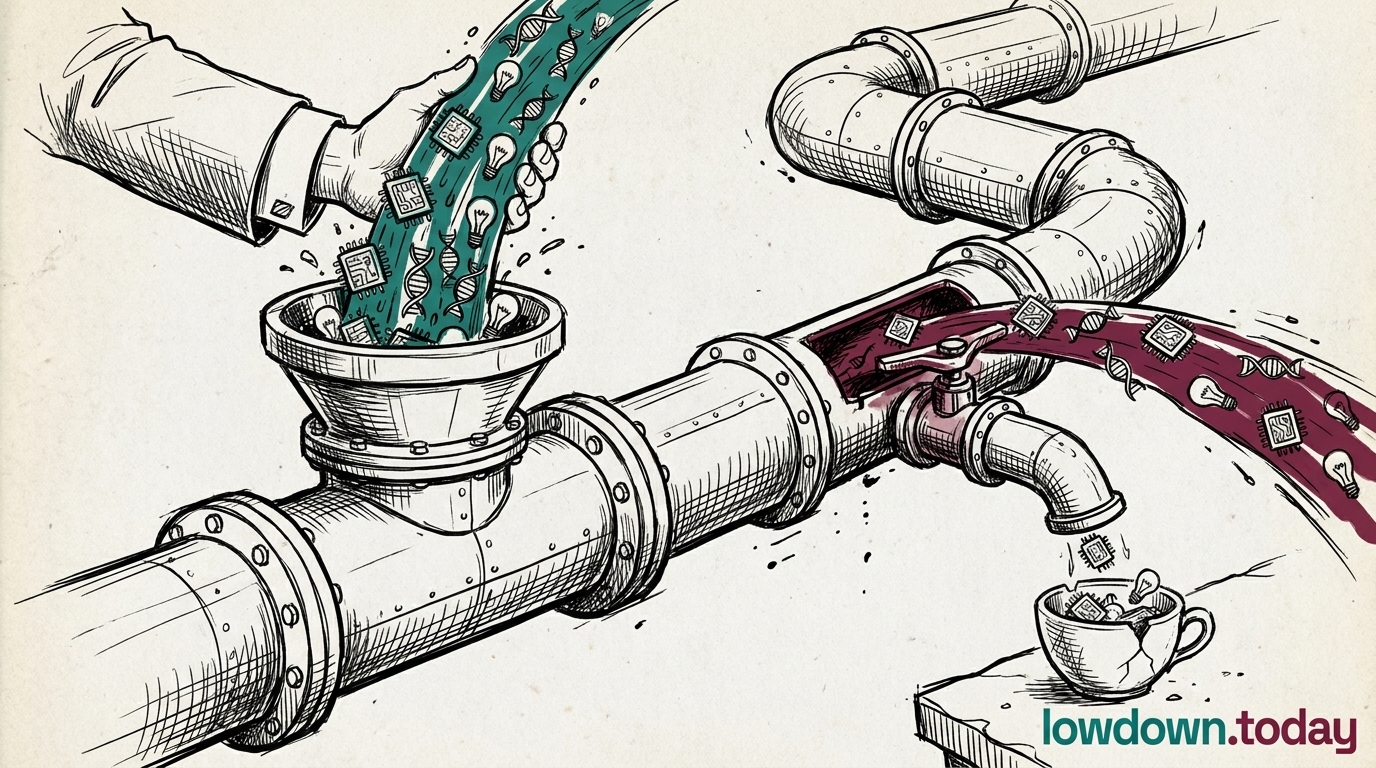
Wealth Club reported on 14 April 2026 that Venture Capital Trusts raised £917.7m in 2025/26, the third-highest year on record including dividend reinvestment. Albion VCTs took £90m, British Smaller Companies VCTs £85m, and Octopus Apollo VCT £82.7m.1 VCTs are listed investment trusts that give UK retail investors income-tax relief on stakes in small, unquoted companies; the vehicle is the closest thing Britain has to a retail-funded seed market.
HM Treasury telegraphed a cut in VCT income-tax relief in the November 2025 Budget, from 30% to 20%, effective 6 April 2026, and retail money rushed in ahead of the deadline. The last time HM Treasury cut VCT relief, from 40% to 30% in 2006/07, annual fundraising fell 65% and took sixteen years to recover. Applied to £917.7m, that precedent puts the 2026/27 number near £320m, roughly £600m of early-stage capital that will not exist.
A Focaldata survey of investors and founders puts the mechanism in numbers: 43.5% of current VCT investors say they will invest less at the new 20% relief, and 41.6% say they will stop entirely. Of founders surveyed, 91% said their business would be smaller without VCT capital.2 The 2006 precedent, the intention survey, and the scheme's maths all point the same way.
The gap this opens sits between £250,000 and £2m, historically the ticket range VCT money filled. Nothing in the state's new £8bn-plus of capital instruments reaches that range. The British Business Bank's direct-investment mandate starts at £5m minimum; SAIU offers £1m to £20m per firm; grant award counts are already at a ten-year low even as the average grant rises. For founders raising below £2m, the state has added growth-stage tonnage while letting the retail-funded rung of the ladder rust. The 2026/27 Q1 VCT figures, due in summer, are the first evidence point that will settle whether 65% is the right projection or whether the shift to EIS absorbs more than analysts expect.


