Skip to content
You can now search across every topic, entity and event.What's new
UK Startups and Innovation
14JUL

VCTs hit £917.7m record, brace for 65% fall

4 min read
08:43UTC

Retail investors poured a third-highest-ever tally into Venture Capital Trusts ahead of a tax cliff on 6 April. The precedent from 2006 suggests the follow-on year lands near £320m.

TechnologyDeveloping
Key takeaway

A retail-funded seed tier is collapsing exactly as state growth capital expands, with no bridge between them.

Wealth Club reported on 14 April 2026 that Venture Capital Trusts raised £917.7m in 2025/26, the third-highest year on record including dividend reinvestment. Albion VCTs took £90m, British Smaller Companies VCTs £85m, and Octopus Apollo VCT £82.7m. 1 VCTs are listed investment trusts that give UK retail investors income-tax relief on stakes in small, unquoted companies; the vehicle is the closest thing Britain has to a retail-funded seed market.

HM Treasury telegraphed a cut in VCT income-tax relief in the November 2025 Budget, from 30% to 20%, effective 6 April 2026 , and retail money rushed in ahead of the deadline. The last time HM Treasury cut VCT relief, from 40% to 30% in 2006/07, annual fundraising fell 65% and took sixteen years to recover. Applied to £917.7m, that precedent puts the 2026/27 number near £320m, roughly £600m of early-stage capital that will not exist.

A Focaldata survey of investors and founders puts the mechanism in numbers: 43.5% of current VCT investors say they will invest less at the new 20% relief, and 41.6% say they will stop entirely. Of founders surveyed, 91% said their business would be smaller without VCT capital. 2 The 2006 precedent, the intention survey, and the scheme's maths all point the same way.

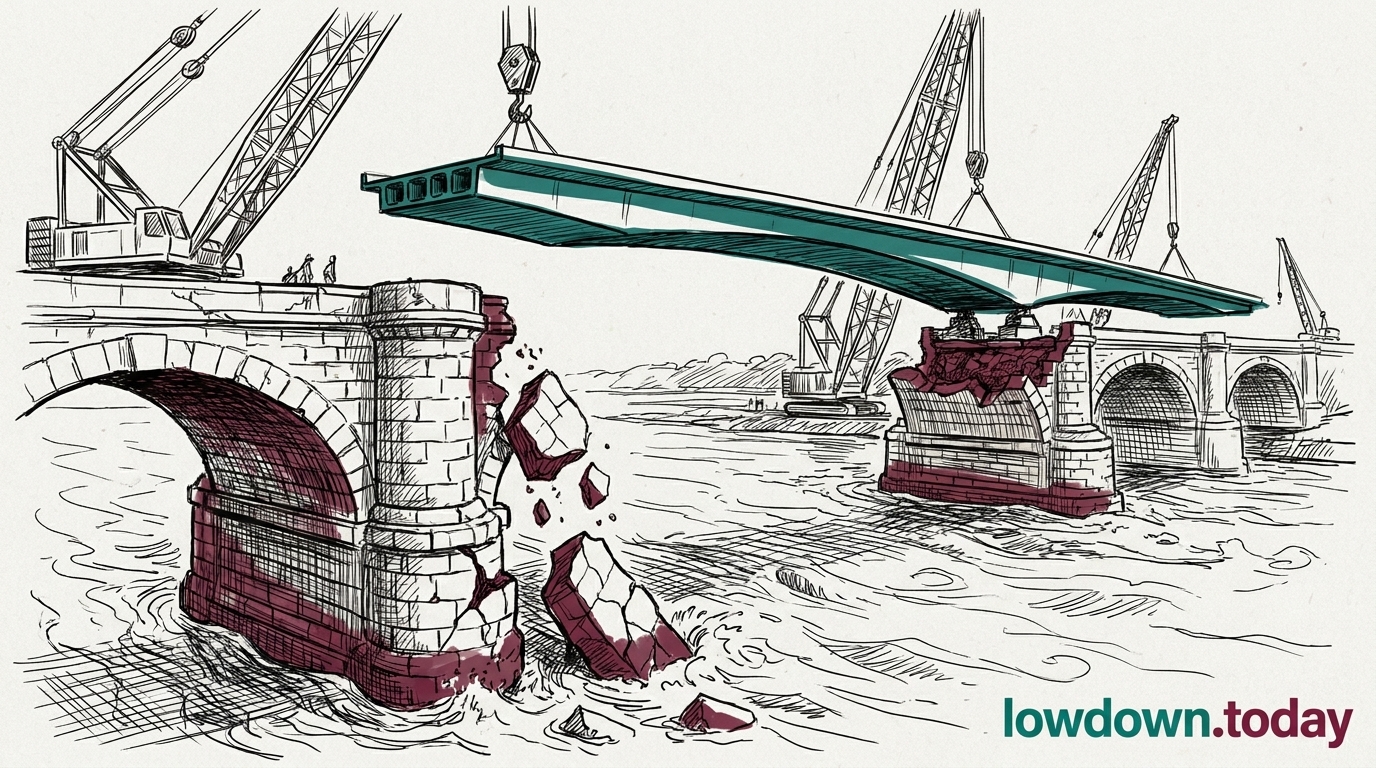
The gap this opens sits between £250,000 and £2m, historically the ticket range VCT money filled. Nothing in the state's new £8bn-plus of capital instruments reaches that range. The British Business Bank's direct-investment mandate starts at £5m minimum; SAIU offers £1m to £20m per firm; grant award counts are already at a ten-year low even as the average grant rises. For founders raising below £2m, the state has added growth-stage tonnage while letting the retail-funded rung of the ladder rust. The 2026/27 Q1 VCT figures, due in summer, are the first evidence point that will settle whether 65% is the right projection or whether the shift to EIS absorbs more than analysts expect.

Deep Analysis

In plain English

Venture Capital Trusts (VCTs) are a way for ordinary investors to back small British companies and get a tax break in return; they used to get 30p back for every £1 invested via a tax refund, and that made the risk worthwhile. The government cut that rebate to 20p from 6 April 2026. Surveys suggest most people who bought VCTs will now invest less or stop entirely. That matters because VCTs have historically been the main source of small cheques between £250,000 and £2m for startup founders who are too small for the big investment funds and too big for a bank loan. A projected £600m per year gap is now opening up at exactly that funding level.

Deep Analysis
Root Causes

HM Treasury's 2025 Autumn Statement fiscal scorecard listed VCT income tax relief as a £700m annual Exchequer cost, making it a visible target for a Chancellor under OBR deficit-reduction pressure; the downstream seed-capital effect was not modelled in the OBR's published costings, which assessed only the direct tax expenditure without netting against the revenue generated by companies VCTs fund.

The 2022-2023 gilt crisis raised the risk-free return available to retail investors from approximately 0.1% to 4.5%, materially increasing the opportunity cost of holding illiquid five-year VCT positions at the same absolute relief rate; the effective attraction of VCT relief had already been eroding before the April 2026 cut, which is why the Focaldata survey may overstate the cut's marginal impact.

What could happen next?
  • Consequence

    Smaller VCT managers without established track records; Wealth Club's Alex Davies specifically named this group; will face consolidation within 18 months as investors concentrate remaining allocations in top-three providers, reducing the diversity of early-stage investment mandates from approximately 25 active VCT managers today to perhaps 12-15 by 2027.

    Medium term · 0.7
  • Risk

    The 2026/27 Q1 VCT fundraising data, due from Wealth Club in approximately April 2027, will be the first hard test of the 65% projection; if it shows a decline greater than 65%, Chancellor Reeves will face parliamentary pressure to reinstate the 30% rate before the 2027 Autumn Statement.

    Medium term · 0.6
  • Consequence

    EIS will absorb some displaced VCT capital but at higher per-investor cost and lower average ticket size; expect EIS annual company subscriptions to rise 20-30% in 2026/27 as VCT-adjacent fund managers convert their retail investor bases to EIS-qualifying products.

    Short term · 0.65
First Reported In

Update #2 · Britain's innovation pipe leaks at both ends

Wealth Club· 22 Apr 2026
Read original
Different Perspectives
Institute of Physics
The Institute has long argued STFC's national-laboratory infrastructure, not its grant programmes, is the binding constraint on UK physics output, and warns mothballing capacity like Clara removes capability that cannot be rebuilt on a four-year cycle. It represents the discovery-science community absorbing the reallocation the Bank's equity cheques do not touch.
Helsing
Helsing
The Munich-headquartered defence-AI firm chose Plymouth over Continental sites for a £350m manufacturing plant building underwater surveillance gliders, alongside its record raise. Its choice of postcode signals confidence in UK manufacturing capacity for defence hardware even as it looks abroad for the capital financing that hardware.
Dragoneer Investment Group, Lightspeed Venture Partners and Iconiq
The three US growth-capital firms backed Helsing's $1.8bn round at an $18bn valuation, more than doubling the mark set only a year earlier, with demand reportedly exceeding the capital on offer. Their money, not a UK sovereign vehicle, is what funds the Plymouth plant, extending a pattern of foreign capital underwriting British defence-hardware manufacturing this cycle.
British Business Bank
The Bank wrote its largest-ever direct life-sciences cheque into Alchemab and added a £6.5bn SME lending guarantee the same week UKRI confirmed the STFC cuts. It is deploying an April mandate change letting it lead venture rounds and invest directly up to £60m per company, treating equity extension rounds and small-business debt as newly within its risk appetite.
Daphni
Daphni
The Paris seed fund joined Speedinvest and three UK backers in Astral Systems' GBP23m Series A for modular fusion reactors, one of the round's five European co-investors betting on lab-to-market fusion ahead of any working commercial reactor. Unlike CuspAI's all-foreign cap table, this round kept a UK lead investor in Mercia Ventures.
EQT
EQT
EQT, appointed by the European Innovation Council to run the EUR5bn Scaleup Europe Fund, entered advanced talks for a further CuspAI stake reported on 3 July, the fund's first pursuit of a UK-founded winner. A closed deal would put EU sovereign capital, not a UK vehicle, on the cap table of a company Britain's own funds passed over.
