Skip to content
You can now search across every topic, entity and event.What's new
UK Startups and Innovation
14JUL

Britain funds and defunds its own science

2 min read
08:43UTC

In one fortnight the British state expanded SME lending by £6.5bn and wrote its largest-ever life-sciences cheque, while UKRI confirmed a 58% cut to STFC's national laboratories and mothballed the Clara facility. Helsing chose Plymouth for a £350m defence-AI plant, and the UK took over 60% of Europe's venture funding for the week. The base narrows as the headline numbers climb.

TechnologyEQTUKRI
Key takeaway

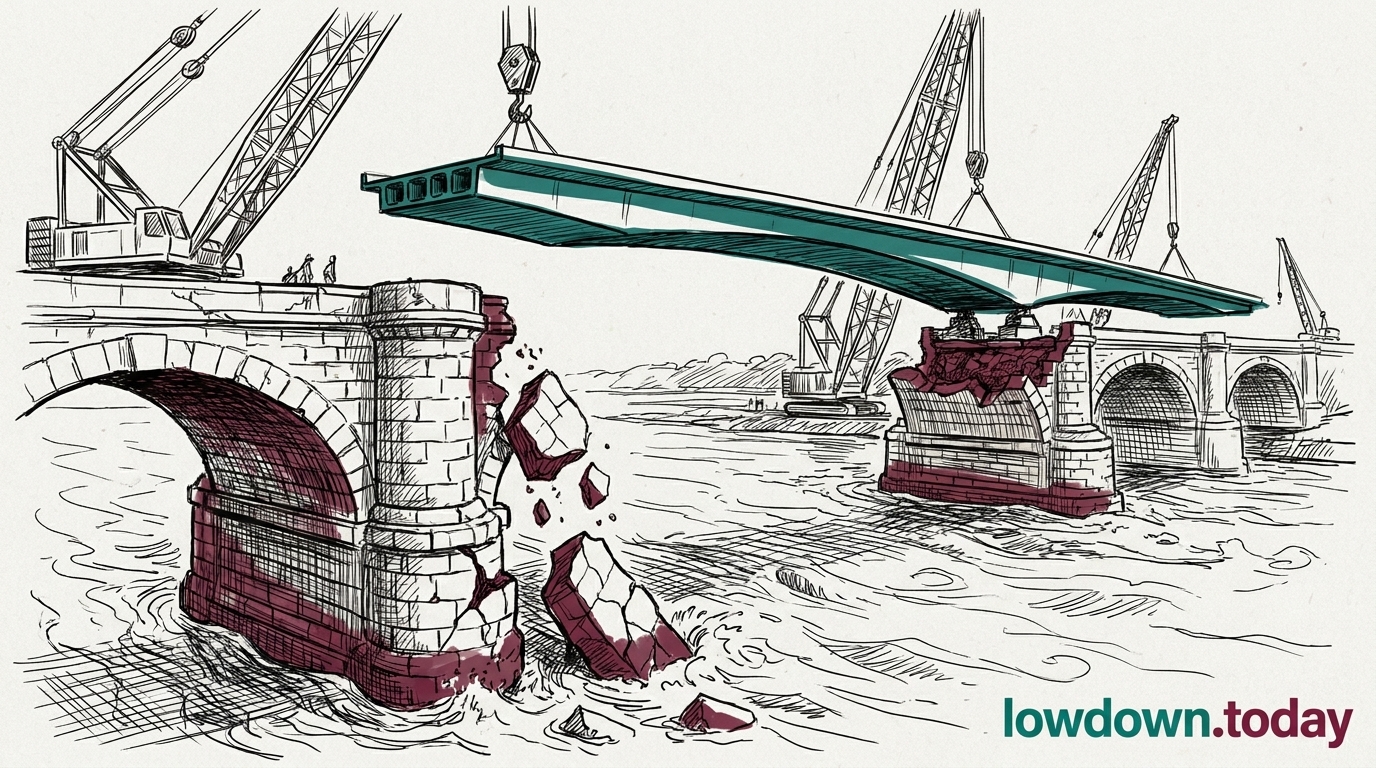
The same fixed UKRI settlement funds record equity cheques by cutting the physical labs that feed them.

This briefing mapped
Loading map…
Regulatory
Economic

UKRI confirmed on 9 July that STFC will cut its national laboratories 58% over four years and mothball the Clara electron-beam facility, even as the state writes record science cheques elsewhere.

Sources profile:This story draws on neutral-leaning sources

UK Research and Innovation (UKRI) confirmed on 9 July that the Science and Technology Facilities Council will cut national-laboratory funding by 58% over four years and mothball Clara, an advanced electron-beam facility at Harwell.

The cuts free capital for equity-stage science, like the sister council's new AI labs, but strip physical capacity discovery research depends on for decades. 

The British Business Bank will guarantee up to £6.5bn of lending to around 33,000 smaller firms, filling the sub-£2m debt gap private seed money left after the VCT relief cut.

Sources profile:This story draws on neutral-leaning sources

The British Business Bank unveiled a £6.5bn expansion of its Growth Guarantee Scheme on 13 July. The move guarantees loans for around 33,000 small and medium-sized businesses over four years.

It also backs export finance and community lenders, using state-guaranteed debt to plug the gap left when small-company tax relief was cut back in April. 

Alchemab Therapeutics raised a £25m Series A extension on 9 July, the British Business Bank's largest-ever direct life-sciences cheque, for AI-enabled antibody discovery.

Sources profile:This story draws on neutral-leaning sources

Alchemab Therapeutics raised a £25m Series A extension from the British Business Bank on 9 July, its largest-ever direct life-sciences investment.

The cheque pushes the Cambridge biotech's AI-enabled antibody pipeline toward the clinic and tests whether the state can underwrite biotech risk at this scale. 

Helsing raised $1.8bn at an $18bn valuation and will spend £350m in the UK, anchored by a Plymouth plant, choosing Britain over the Continent for physical defence-AI production.

Sources profile:This story draws on neutral-leaning sources

Helsing raised $1.8bn at an $18bn valuation on 13 July and will build a £350m Plymouth plant making AI-powered underwater surveillance gliders.

The Munich-based defence firm's investors are almost entirely American, the same foreign-capital pattern already seen behind Orbital Industries' round and much of Britain's defence-tech scene. 

Sources:Sifted

Lendable, the London consumer-credit fintech, raised a reported $670m for global expansion, one of two UK rounds anchoring a €1.7bn British week, per a single Tech.eu recap.

Sources profile:This story draws on neutral-leaning sources

Lendable, the London consumer-credit fintech, reportedly raised $670m during the week of 6 to 13 July for global expansion, according to a single Tech.eu report.

No lead investor was named, so the figure is unconfirmed, but it would be one of Britain's largest single fintech raises of the week. 

Sources:Tech.eu

Kraken Technology Group, a UK maritime-defence firm, crossed a $1bn valuation on a reported $175m raise, per a single Tech.eu recap with no named lead.

Sources profile:This story draws on neutral-leaning sources

Kraken Technology Group, a UK maritime-defence company, reportedly raised $175m during the week of 6 to 13 July, crossing a $1bn unicorn valuation.

The figure comes from a single Tech.eu report with no confirmed investor list, but it marks Britain's latest maritime-defence firm to cross the unicorn line. 

Sources:Tech.eu

Four UK departments published a 42-page Life Sciences Jobs Plan on 9 July, targeting the lab-skills gap the biotech funding surge assumes is already solved.

Sources profile:This story draws on mixed-leaning sources from United Kingdom (includes United Kingdom state media)
United Kingdom

Four UK government departments jointly published a 42-page Life Sciences Jobs Plan on 9 July, targeting the gap between graduates' training and employer-ready laboratory skills.

It aims to cut the months of on-the-job training life-sciences employers absorb, addressing the same skills gap that AI-biotech raises like Alchemab's assume is already solved. 

Five smaller UK rounds, Dogtooth, HIVE, Pixel-Flo, TaiSan and Kord, raised a combined £41.5m across robotics, silicon, displays, batteries and fintech, most reported only by Tech.eu.

Sources profile:This story draws on neutral-leaning sources

Five smaller UK deep-tech firms raised a combined £41.5m in the same week as the megadeals: Dogtooth, HIVE, Pixel-Flo, TaiSan and Kord.

Their sub-£15m rounds sit in the seed tier the Bank's own data shows shrinking, as AI and top-10 deals absorb an ever-larger share of UK equity capital. 

Sources:Tech.eu·FinSMEs
Closing comments

Sideways in the near term: STFC's cut is locked in through 2029/30 and the Bank's equity and debt programmes are already funded and running, so neither side of the split changes without a new decision point. The trigger to watch is EPSRC's autumn 2026 review, which will show whether the councils that gained from STFC's reallocation, chiefly EPSRC's AI programme, redirect any of that £60m back toward the national-facility capability Clara's mothballing removed, or whether the equity-over-infrastructure split hardens into settled policy.

AI-assisted, human-edited under the editorial responsibility of Bannermedia Ltd. Reviewed by Ed Woodcock on 14 July 2026. Editorial standards.

Different Perspectives
British Business Bank
The Bank wrote its largest-ever direct life-sciences cheque into Alchemab and added a £6.5bn SME lending guarantee the same week UKRI confirmed the STFC cuts. It is deploying an April mandate change letting it lead venture rounds and invest directly up to £60m per company, treating equity extension rounds and small-business debt as newly within its risk appetite.
Dragoneer Investment Group, Lightspeed Venture Partners and Iconiq
The three US growth-capital firms backed Helsing's $1.8bn round at an $18bn valuation, more than doubling the mark set only a year earlier, with demand reportedly exceeding the capital on offer. Their money, not a UK sovereign vehicle, is what funds the Plymouth plant, extending a pattern of foreign capital underwriting British defence-hardware manufacturing this cycle.
Helsing
Helsing
The Munich-headquartered defence-AI firm chose Plymouth over Continental sites for a £350m manufacturing plant building underwater surveillance gliders, alongside its record raise. Its choice of postcode signals confidence in UK manufacturing capacity for defence hardware even as it looks abroad for the capital financing that hardware.
Institute of Physics
The Institute has long argued STFC's national-laboratory infrastructure, not its grant programmes, is the binding constraint on UK physics output, and warns mothballing capacity like Clara removes capability that cannot be rebuilt on a four-year cycle. It represents the discovery-science community absorbing the reallocation the Bank's equity cheques do not touch.

