The Institute for Government counted 61 councils under No Overall Control after polling, the highest figure since records began 1. The IfG reframed the 7 May results as "local dress rehearsals" for the multi-party Westminster arithmetic the next general election may produce, and recommended abolishing election-by-thirds in council elections to make partisan shifts more legible.
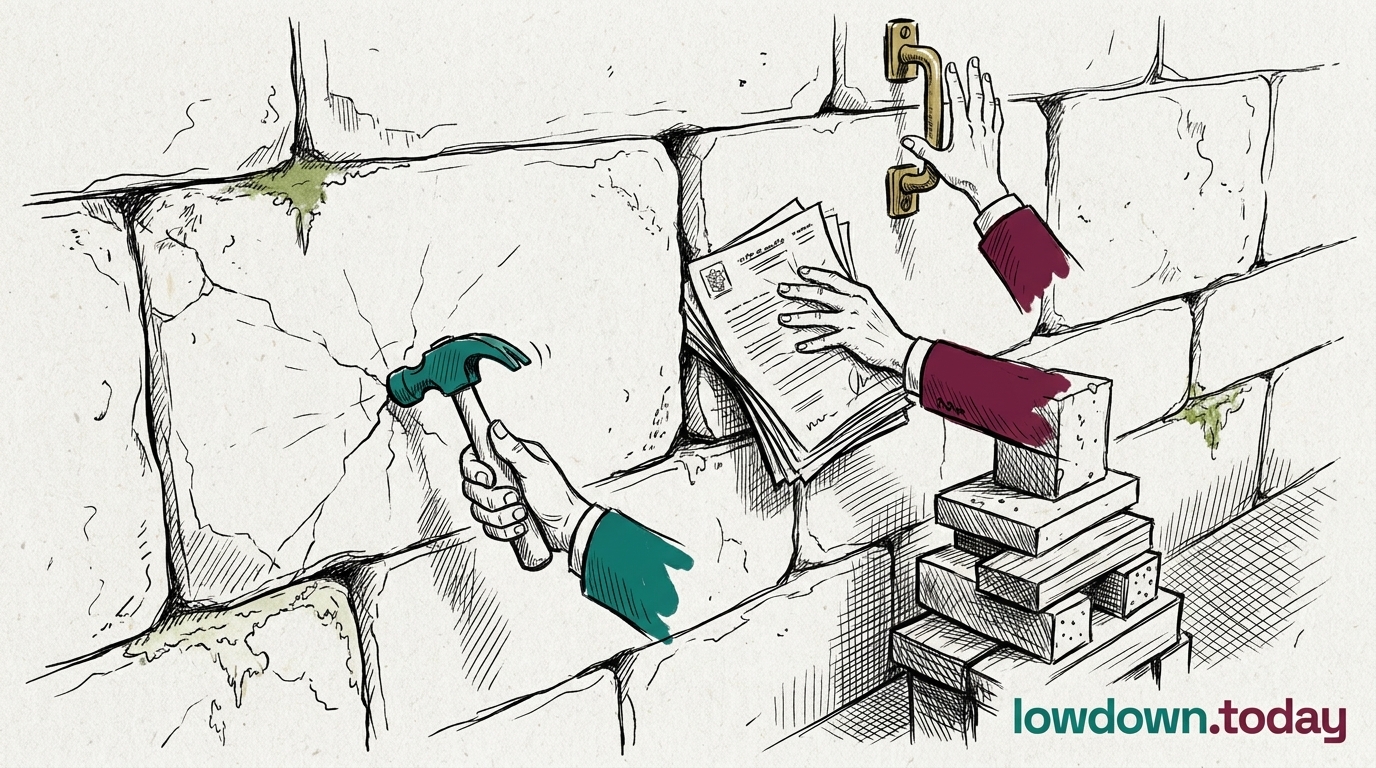
No Overall Control governance depends on negotiated coalitions or minority arrangements rather than majority control. Either route produces slower decision-making, higher service-delivery risk, and committee balances that can flip on a single suspension or defection. That is the structural read of the five-party fragmentation the pre-election MRP polls projected but could not convert into precise council-level forecasts. Three of the 61 NOC councils are simultaneously named in the LGR pre-action protocol letters, which means governance fragility and a live judicial review are now coexisting on the same balance sheet for Essex, Norfolk and Suffolk.
Under election-by-thirds, a third of councillors stand each year in metropolitan and some district councils, smoothing the appearance of partisan swing across three cycles. The IfG argues abolition would surface the full scale of partisan shifts in a single round, making the 7 May result more legible to Whitehall planners. The recommendation runs into the institutional inertia of councils that prefer the smoothing effect.