Skip to content
Welcome, thoughtbot's Giant Robots listeners!Start here
UK Local Elections 2026
7OCT

Burnham takes No 10 without a ballot

2 min read
13:09UTC

Andy Burnham becomes prime minister on 20 July after 349 Labour MPs backed him, with no members' ballot and no general election.

PoliticsDeveloping
Key takeaway

Andy Burnham becomes prime minister on 20 July, chosen by Labour MPs without a members' ballot.

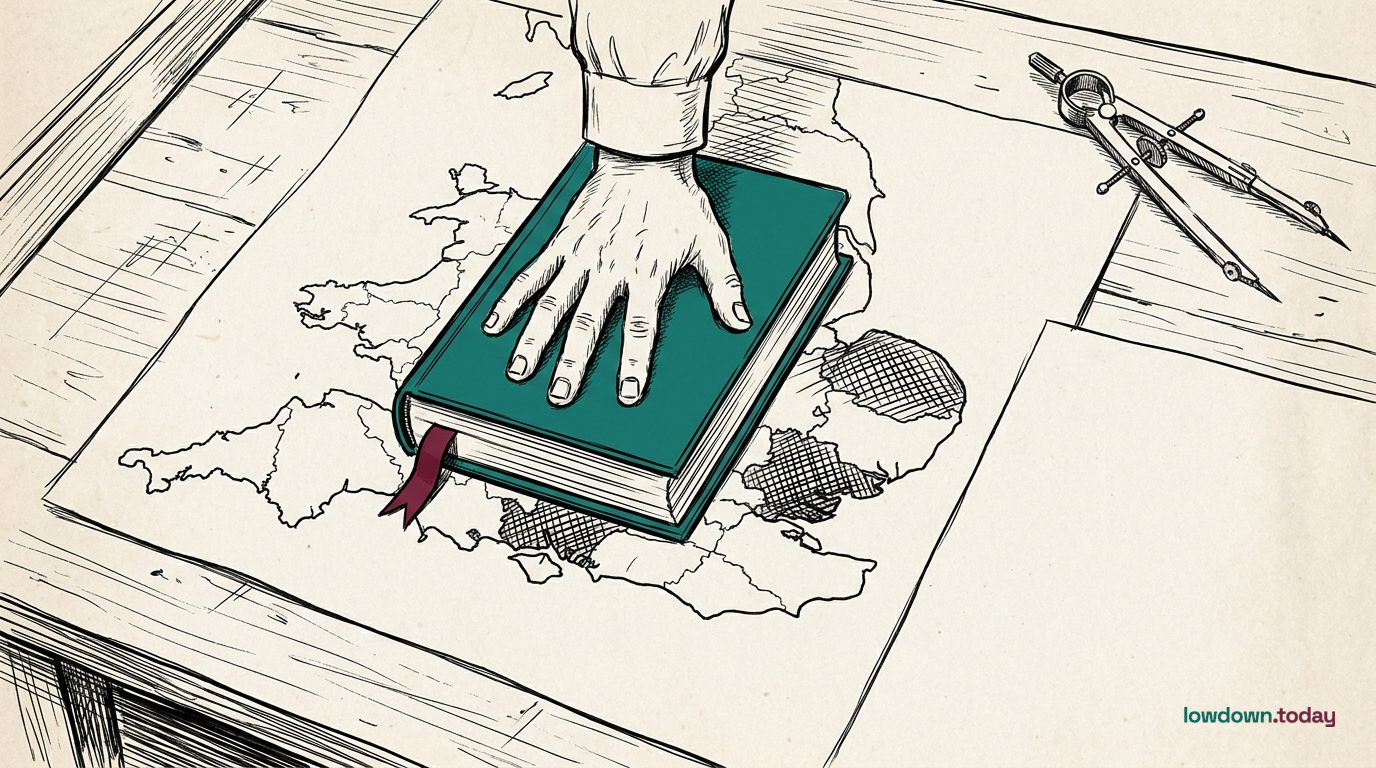
Andy Burnham will become prime minister on 20 July without a single Labour member casting a vote. Nominations opened on 9 July; he took 322 on the first day and 349 by 13 July, past the point any challenger could gather the 81 signatures the National Executive Committee (NEC), Labour's governing body, set to force a contest.⁠1

The path ran through one by-election. Burnham won Makerfield on 18 June with a 9,231-vote majority, pitched a 'No 10 North' base in Manchester, and inherits the office Keir Starmer left when he resigned four days after that win.

A special conference on 17 July confirms him as Labour leader, and the premiership follows three days later. No members' ballot, no general election, and a mandate conferred by 349 colleagues rather than by voters.

Not everyone reads the coronation as strength. The Spectator's Charles Moore argues the campaign, a mass Westminster Hall selfie and a helicopter trailing Burnham's train, delivered spectacle without a policy platform.⁠2

Deep Analysis

In plain English

Normally when a governing party changes leader, ordinary party members get to vote on who takes over. That's not happening this time. Andy Burnham has already won the backing of so many Labour MPs, well over the threshold needed, that no other candidate could realistically get enough support to force a proper contest. So Burnham becomes Labour leader and prime minister on the strength of MPs' signatures alone, confirmed at a special party conference rather than a member ballot. It's only happened once before in the party's time in government, when Gordon Brown took over in 2007.

Deep Analysis
Root Causes

The National Executive Committee's own 81-MP threshold, a fifth of the Parliamentary Labour Party, made a contest mathematically improbable the moment senior rivals such as Wes Streeting and David Lammy chose to endorse Burnham rather than stand themselves.

Burnham's route back into Parliament, the Makerfield by-election win on 18 June, was itself the structural precondition: without a Commons seat he had no standing to be nominated at all, so the leadership timetable could not begin until that single by-election concluded.

What could happen next?
  • Risk

    An uncontested succession leaves Burnham without a tested mandate from party members going into an election campaign against a resurgent Reform UK.

First Reported In

Update #12 · The finance bill Reform outran gets tougher

ITV News· 15 Jul 2026
Read original →
Different Perspectives
Lancashire County Council
Lancashire filed in the Administrative Court before the 16 October limit, and its full council called for a legally binding referendum before any reorganisation. Ministers withdrew the Lancashire decision on 29 October, so the Reform-run county council keeps its current structure for now.
Kent County Council
Kent County Council
Kent announced judicial review proceedings before the 16 October limit against splitting Kent and Medway into four unitary councils. Ministers withdrew the Kent and Medway decision on 29 October, so the Reform-run county council keeps its current structure for now.
Conservative Party / Donald Walmsley
Walmsley, an East Sussex county councillor, left Reform UK in November and joined the Conservatives, citing ITV's undercover footage of Reform councillors and the leadership's response. His move came as the Conservatives gained four council seats from 22 October to 12 November and lost none.
UK Government / Jim McMahon (MHCLG) and Lord Wilson of Sedgefield
MHCLG said on 29 October it is "minded to" create unitary councils in five English areas from 2029, and McMahon argues no area will want two tiers back once they exist. In the Lords on 2 November, Lord Wilson refused to put a deadline for automatic registration into the Representation of the People Bill.
Huw Irranca-Davies, Llywydd of the Senedd
Irranca-Davies ruled on 10 November that Joe Martin's request for a statement on the "demographic replacement of white British people" was discriminatory and offensive. Martin will not be called to speak until he apologises to the chamber, and Reform's free-speech motion of 18 November cannot overturn the ruling.
Reform UK / Nigel Farage and Helen Jenner
Reform's 33 Members of the Senedd left their benches empty at Plenary on 17 November over the Llywydd's ruling on Joe Martin, which Farage called "ridiculous and outrageous". Welsh leader Helen Jenner says meaningful debate and scrutiny cannot happen until the Presiding Officer reverses his decision.

Written with AI from Lowdown's published reporting. Not individually reviewed by an editor. Editorial standards.
