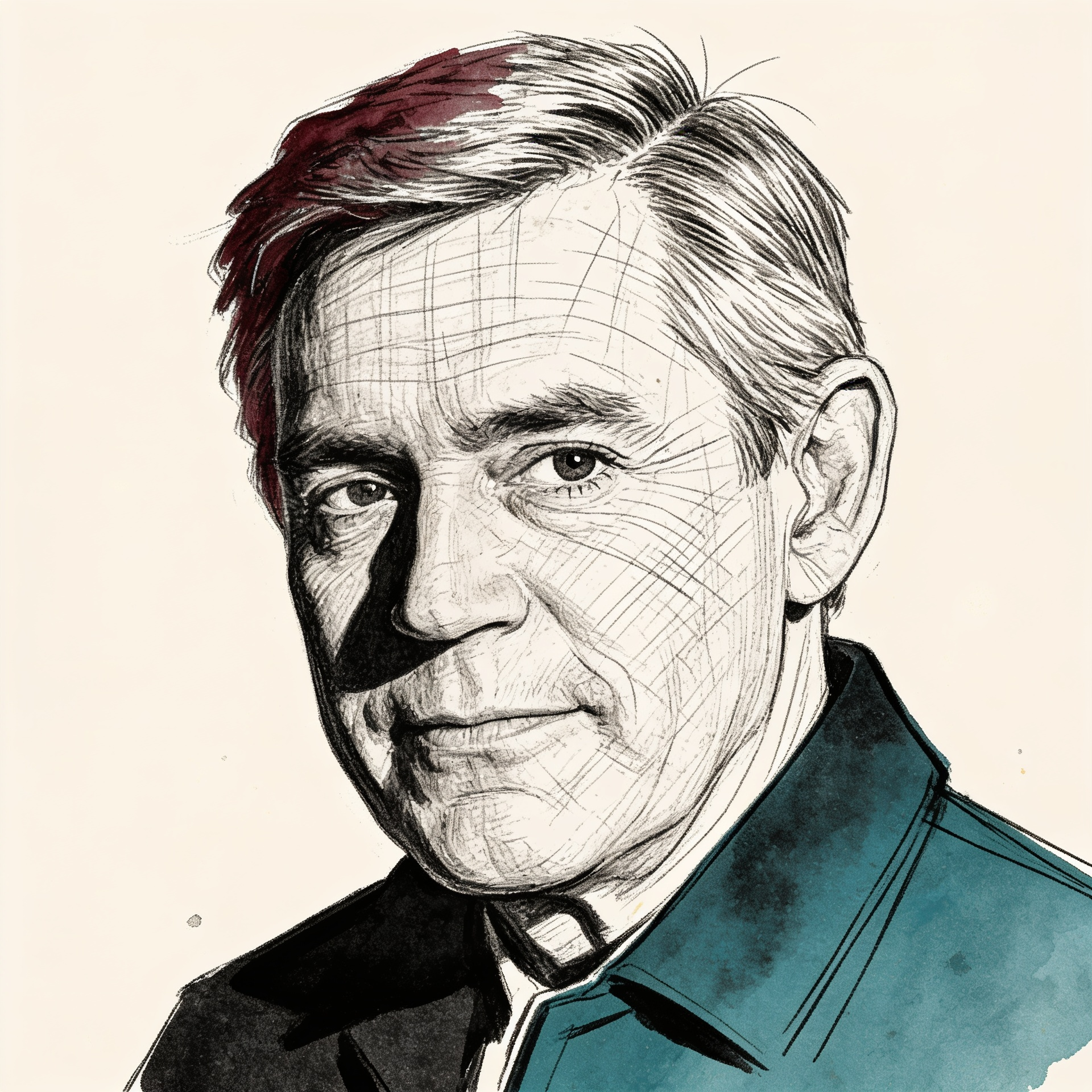
Gordon Brown
Former UK Prime Minister 2007–2010; appointed Special Envoy on Global Finance by Starmer in May 2026.
Gordon Brown's own PATH to No 10 in 2007, by resignation and nomination rather than ballot, became the precedent cited when Andy Burnham took office the same way on 20 July 2026.
Last refreshed: 3 August 2026 · Appears in 1 active topic
Why did Starmer reach back to Gordon Brown in 2026 when he needs new ideas?
Timeline for Gordon Brown
Mentioned in: Healey rules out three big tax rises
Is Britain Actually Broke?Mentioned in: A second pollster puts Labour ahead of Reform
UK Local Elections 2026Mentioned in: Burnham builds a cabinet of his own
UK Local Elections 2026Mentioned in: Pollsters split on the Burnham bounce
UK Local Elections 2026Mentioned in: Burnham takes No 10 without a ballot
UK Local Elections 2026Background
Gordon Brown served as Chancellor of the Exchequer from 1997 to 2007 and Prime Minister from 2007 to 2010 under the New Labour governments he co-architected with Tony Blair. As Chancellor he granted the Bank of England operational independence in 1997 and led the UK's response to the 2008 global financial crisis, earning international credit for his G20 co-ordination. After leaving government he worked on global education financing and child poverty, co-chairing a UNESCO Commission, and stood down as MP for Kirkcaldy and Cowdenbeath at the 2015 general election.
On 9 May 2026, Keir Starmer appointed Brown as Special Envoy on Global Finance. The appointment drew ridicule across the political spectrum as a recycling of 2007-era talent, with Kemi Badenoch's King's Speech reply citing it as evidence of a government that had run out of ideas.
Brown's 2007 succession becomes the precedent
Brown became prime minister in 2007 when Tony Blair resigned mid-term without a general election. That same route returned to the political conversation after Starmer stood down from Number 10 and the Labour leadership on 22 June 2026.
Andy Burnham took office on 20 July without a single Labour member voting, securing 349 MP nominations against an 81-signature threshold and confirmation at a special conference, making him the first prime minister installed this way since Brown in 2007. The parallel put Brown's own succession back at the centre of commentary nearly two decades on.