Skip to content
Welcome, thoughtbot's Giant Robots listeners!Start here
Russia-Ukraine War 2026
5MAR

US pump prices 36% above pre-war

2 min read
04:57UTC

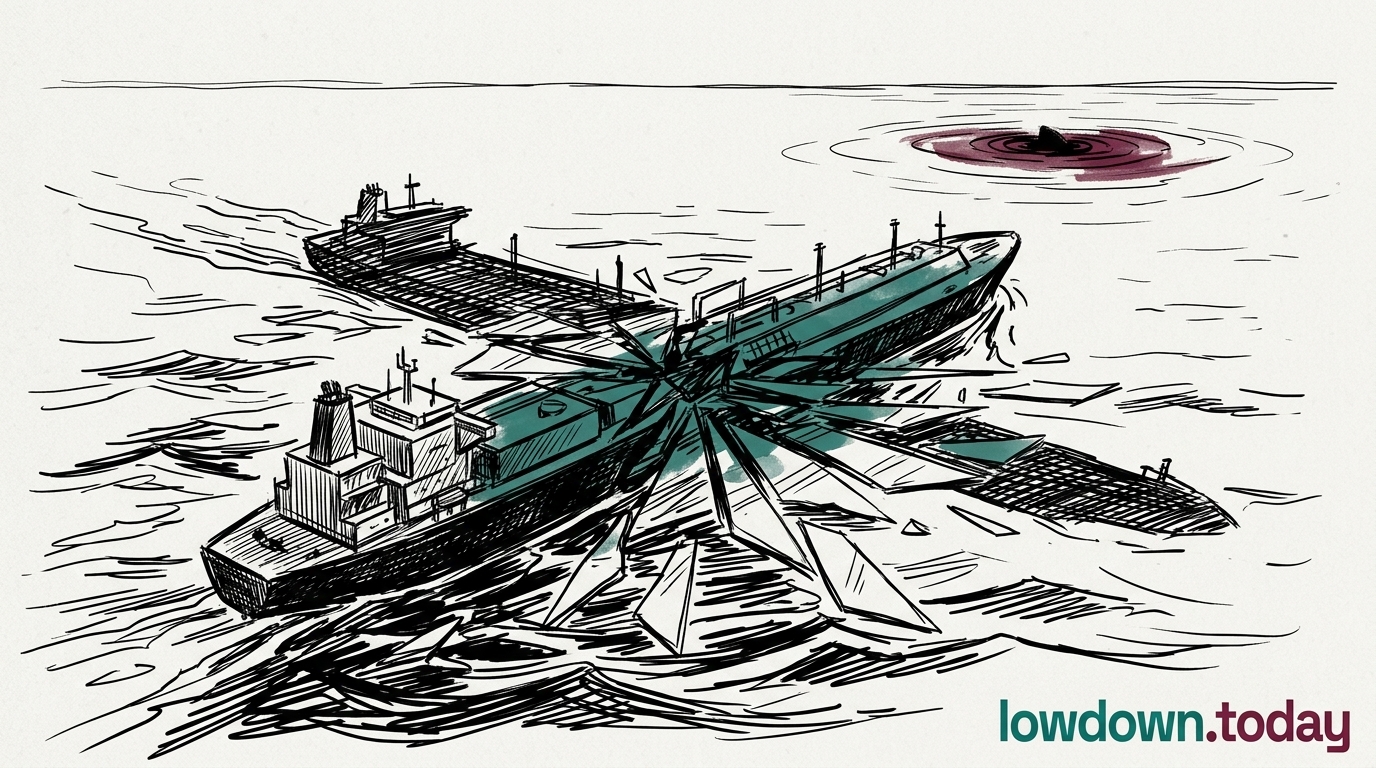
American petrol prices now run 36% above their pre-war level, and the Strategic Petroleum Reserve sits at its lowest since 1983.

ConflictDeveloping
Key takeaway

American pump prices are a third above pre-war levels with the strategic reserve at a 1983 low.

US petrol prices have climbed to 36% above pre-war levels, and the Strategic Petroleum Reserve now sits at its lowest level since 1983, CNN reported on 25 July⁠1. Brent Crude crossed $100 a barrel on 23 July before easing to $98.38 as mediation reports circulated.

Congress created the reserve after the 1973 oil embargo, and it sits in salt caverns along the Gulf Coast so that a president facing a supply shock can put barrels on the market without asking anyone's permission. Drawing it down to a 1983 level removes that option at the moment a blockade the United States is itself enforcing keeps crude near three figures. Refilling it means buying at those prices, which no administration does willingly in an election cycle.

Pump prices are also the channel through which this war reaches American voters who are not following it. Congressional opposition to the campaign has been measurable and unable to bind the executive; petrol at a third above its pre-war price does not need a roll call to apply pressure. The two constraints now converge on the same building: an air campaign paused for want of munitions, and a fuel price rising because the sea lane that campaign closed has not reopened.

Deep Analysis

In plain English

Petrol prices in the US have climbed to 36% above what they were before the war with Iran started. Normally, when prices spike like this, the government can release oil from its Strategic Petroleum Reserve, a stockpile built for emergencies, to bring prices back down. But that reserve is now at its lowest level since 1983, because it has been drawn down over several years for other reasons. That means the government has much less ability to soften the blow at the pump this time.

Deep Analysis
Root Causes

The Strategic Petroleum Reserve's depletion did not start with this war. Successive administrations drew it down for budget and price-management reasons over the past several years, leaving a reserve sized for a short emergency, not for a Hormuz blockade with a Houthi front now expanding into Saudi Aramco infrastructure directly.

That pre-existing depletion is the structural reason petrol prices are transmitting more directly to the pump now than in earlier oil shocks: the SPR release valve that historically absorbed part of the shock is largely unavailable this time.

What could happen next?
  • Consequence

    With the SPR near its lowest level since 1983, Washington has limited capacity to blunt further petrol-price rises through reserve releases alone.

  • Risk

    Sustained high petrol prices heading into any political negotiation over the war raise domestic pressure on the administration independent of battlefield developments.

First Reported In

Update #162 · Munitions, not Iran, halted US bombing

CNN· 26 Jul 2026
Read original →
Causes and effects
This Event
US pump prices 36% above pre-war
The buffer a president reaches for when fuel prices bite is emptier than at any point in four decades.
Different Perspectives
South Korean foreign ministry
Seoul said on 20 October it will withdraw some Kyiv embassy staff, citing no constructive steps from Kyiv since it recalled its ambassador over the disclosure of two North Korean prisoners. A chargé d'affaires and consular staff stay, and Seoul says its aid continues.
Alexander Lukashenko
Lukashenko said on 22 October that talks with the US show progress despite problems, which he said were highlighted with the exchange of political prisoners for the lifting of sanctions. He said Minsk keeps its promises and wants the US to deliver its side in full.
Moldovan government (Daniella Misail-Nichitin)
Moldova has pulled its border guards and customs officers from four crossings on Ukrainian soil after Russian strikes near the border. Interior Minister Daniella Misail-Nichitin said Chisinau is weighing moving Ukrainian checkpoints onto Moldovan territory.
Péter Magyar
Péter Magyar
Magyar told RTL that Ukrainian maize may cross Hungary in sealed trains bound for Western Europe. He set one condition: the cargo must only transit the country.
Donald Tusk
Donald Tusk
Tusk said Warsaw would seek an explanation from Kyiv for the drone's route across Poland. He said Poland allows no operations over its territory without its explicit consent.
Mindaugas Sinkevičius
Lithuania's prime minister said the Ukrainian drone that exploded in Pasvalys district on 18 October carried explosives and entered from Poland through the Schengen zone. Earlier drones over Lithuania had come from Belarus, not through allied airspace.

Written with AI from Lowdown's published reporting. Not individually reviewed by an editor. Editorial standards.