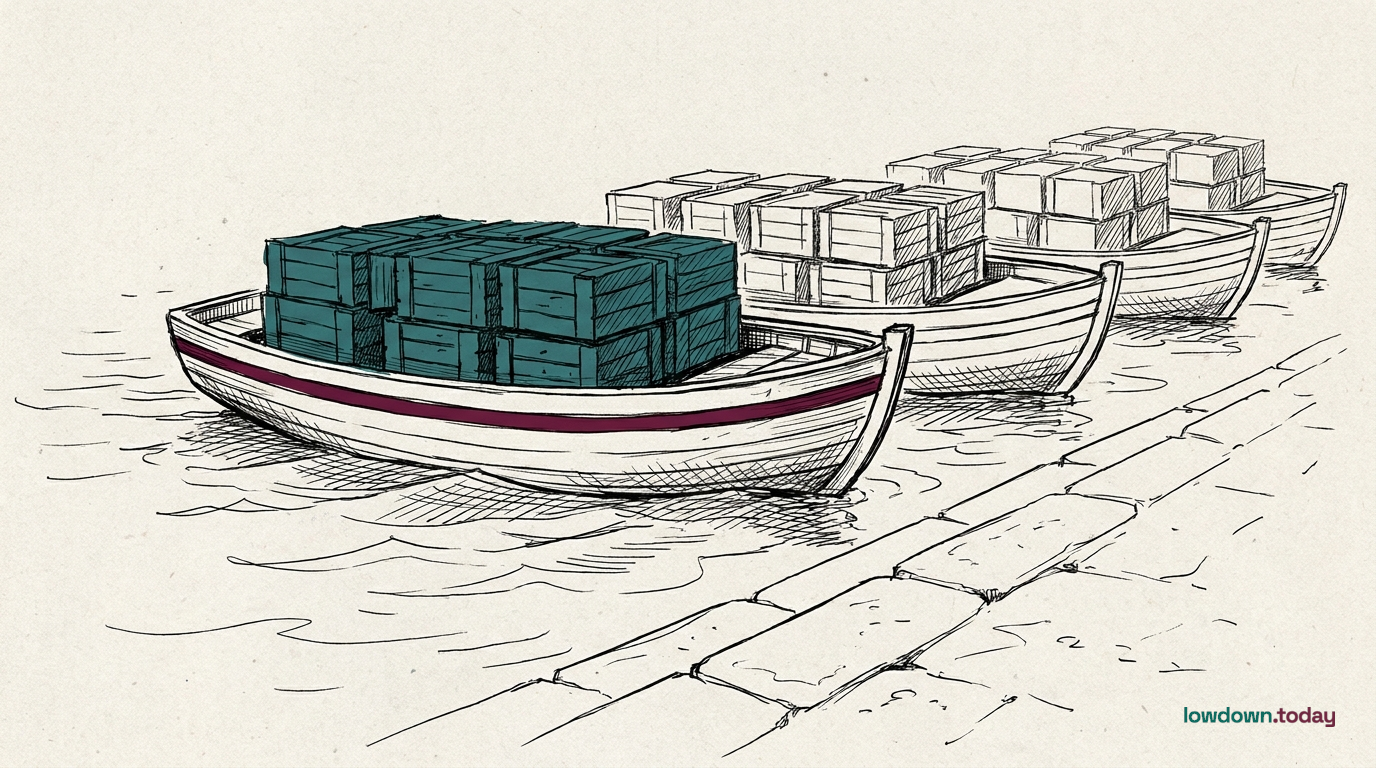
The Autumn Budget 2026 found the last £4.7bn of the Defence Investment Plan, the government's £15.0bn programme of extra defence spending, by moving money between budgets1. The plan had named sources for £10.3bn in June. HM Treasury will cut departmental capital budgets by a further 1% from 2027-28 to 2029-30 to raise £3.0bn. Capital budgets pay for buildings, roads and equipment: school roofs, hospital kit. It will draw the other £1.7bn from its capital Reserve, a pot kept back for unplanned investment costs (£3.0bn + £1.7bn = £4.7bn). No new tax pays for any of it.
This desk declared its method before the Budget was read. On that method the £1.7bn Reserve draw can be spent only once, so it is the gap; the £3.0bn comes from capital budgets cut for three years, so it is not. Gap: £4.7bn - £3.0bn = £1.7bn. The £3.0bn runs only to 2029-30, and nothing in the Budget funds it after that; counting only new tax, the gap is the whole £4.7bn.
One-off money now makes up £5.2bn of the defence plan, or 34.7%. That is the £1.1bn of asset sales and £2.4bn of Treasury support in the June package, plus the £1.7bn Reserve draw (£1.1bn + £2.4bn + £1.7bn = £5.2bn; £5.2bn ÷ £15.0bn = 34.7%). Asset sales and Reserve draws cannot be repeated each year, while the defence commitment keeps rising.
The question this desk set before the Budget, whether the £4.7bn would be new money or money moved from other budgets, now has its answer: moved. The route to the pledge of 3.5% of GDP on defence by 2035 is left to next year's spending review, where the Treasury sets each department's budget. The Office for Budget Responsibility, the official forecaster, puts the extra 0.9% of GDP (gross domestic product, the size of the economy) at around £35bn in 2026-27 terms2.

