Skip to content
Welcome, thoughtbot's Giant Robots listeners!Start here
Is Britain Actually Broke?
7OCT

Holyrood booked £1.1bn of ScotWind draws

3 min read
12:52UTC

Audit Scotland found that Holyrood wrote £1.1bn of ScotWind fee drawdowns into three budgets from 2023-24 and reversed every one.

EconomicDeveloping
Key takeaway

Holyrood planned £1.1bn of ScotWind draws across three budgets and reversed each one.

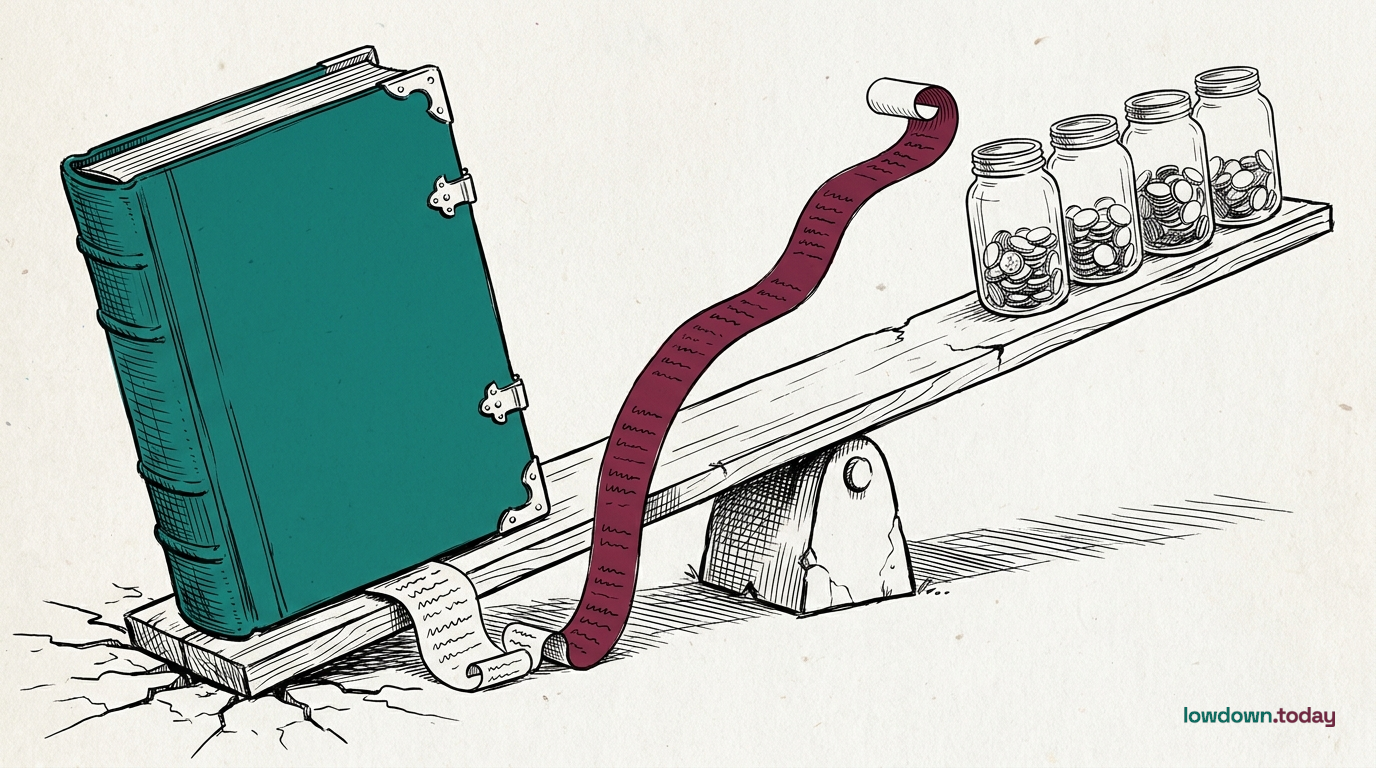
Audit Scotland reported on 17 September that the Scottish Government built a drawdown of offshore wind licence fees into three budgets in a row, £310m, £424m and £364m from 2023-24, and reversed each planned draw at the spring revision or year end⁠1. The three plans came to £1.1bn. The 2026-27 budget assumes another £80m.

The fees come from ScotWind, the offshore wind seabed leasing round, and sit with Crown Estate Scotland, nearly all on 12-month deposits so ministers can reach them quickly. Crown Estate Scotland held £807.9m at the end of 2025-26. Ministers expect to draw a further £507m by 2031, leaving about £300m.

Audit Scotland warns that using one-off receipts to balance annual budgets can weaken spending control. Whitehall's own £10.3bn Defence Investment Plan also leans on one-off money: £3.5bn of it is asset sales and Treasury support. College funding in Scotland fell 7% in real terms from 2021, and five of the country's 19 incorporated colleges needed cash advances from the Scottish Funding Council in 2024-25, up from two⁠2.

Deep Analysis

In plain English

ScotWind was a sale of rights to build offshore wind farms in Scottish waters. The companies that won paid fees. The money sits with Crown Estate Scotland, which manages the seabed. The Scottish Government has put planned withdrawals from that money into its budgets three times. Each time the money was not taken out in the end. Audit Scotland, the public spending watchdog, reported this on 17 September. The watchdog says relying on a one-off sum to balance yearly budgets can weaken control over spending. Meanwhile some Scottish colleges have needed cash advances to keep going.

Deep Analysis
Root Causes

Holyrood's powers create the pressure. Most funding arrives as a block grant from Westminster, borrowing for day-to-day spending is capped, so a lump of seabed leasing money looks like spare capacity.

The fees are paid to Crown Estate Scotland and held mostly on 12-month deposits so ministers can reach them quickly. A balance that can be drawn on at short notice is an easy source for a budget gap, even if the draw does not happen.

The reversal pattern has a mechanical cause: a budget assumes the draw to reach a balanced position, and at the spring revision or year end other lines underspend or receipts arrive, so the draw is cancelled.

What could happen next?
  • Risk

    The 2026-27 assumption of £80m repeats a pattern in which three earlier assumed draws were reversed, so budget lines funded by it are exposed to the same reversal.

  • Precedent

    A watchdog report naming a repeated budgeting pattern gives the Scottish Parliament's finance committee grounds to question assumptions in the next budget.

First Reported In

Update #4 · £8.1bn over forecast, and the 30-year at 6%

Audit Scotland· 7 Oct 2026
Read original →
Different Perspectives
Conservative Party
Conservative Party
Leader Kemi Badenoch said Labour will run out of money and proposed lifting defence to 3% of GDP, paid for from welfare. Shadow work and pensions secretary Helen Whately put those savings at £23bn, "just the start".
Reform UK
Reform UK
Treasury spokesman Robert Jenrick pledged £80bn a year of spending cuts by the end of the next parliament and claimed £30bn a year of interest savings. The Spectator judged that the sums still do not fully add up.
Centre for Policy Studies
The right-of-centre think tank argued on 4 October that Britain is not a low-tax country once workplace pensions and student-loan repayments are counted. Its comparison rests on 2019 data.
Institute of Economic Affairs
The free-market think tank argued on 28 September that alcohol, tobacco and landfill duties raised £5.2bn less than the OBR projected. That comparison is separate from the five-month borrowing overshoot.
Resolution Foundation
The centre-left think tank said on 8 September that about £1 in every £12 of public spending now goes on debt interest. In July it put headroom against the fiscal rules at about £10bn.
Audit Scotland
Audit Scotland
It reported on 17 September that three Scottish budgets planned ScotWind drawdowns and drew nothing each time. It warned that using one-off receipts to balance annual budgets can weaken spending control.
