Skip to content
Welcome, thoughtbot's Giant Robots listeners!Start here
Is Britain Actually Broke?
7OCT

Sefton holds £3.2m against £104m deficit

4 min read
12:52UTC

On Lowdown's sum of MHCLG returns, English councils' schools deficits reached £6.61bn, one and a half times their £4.33bn of unallocated reserves.

EconomicDeveloping
Key takeaway

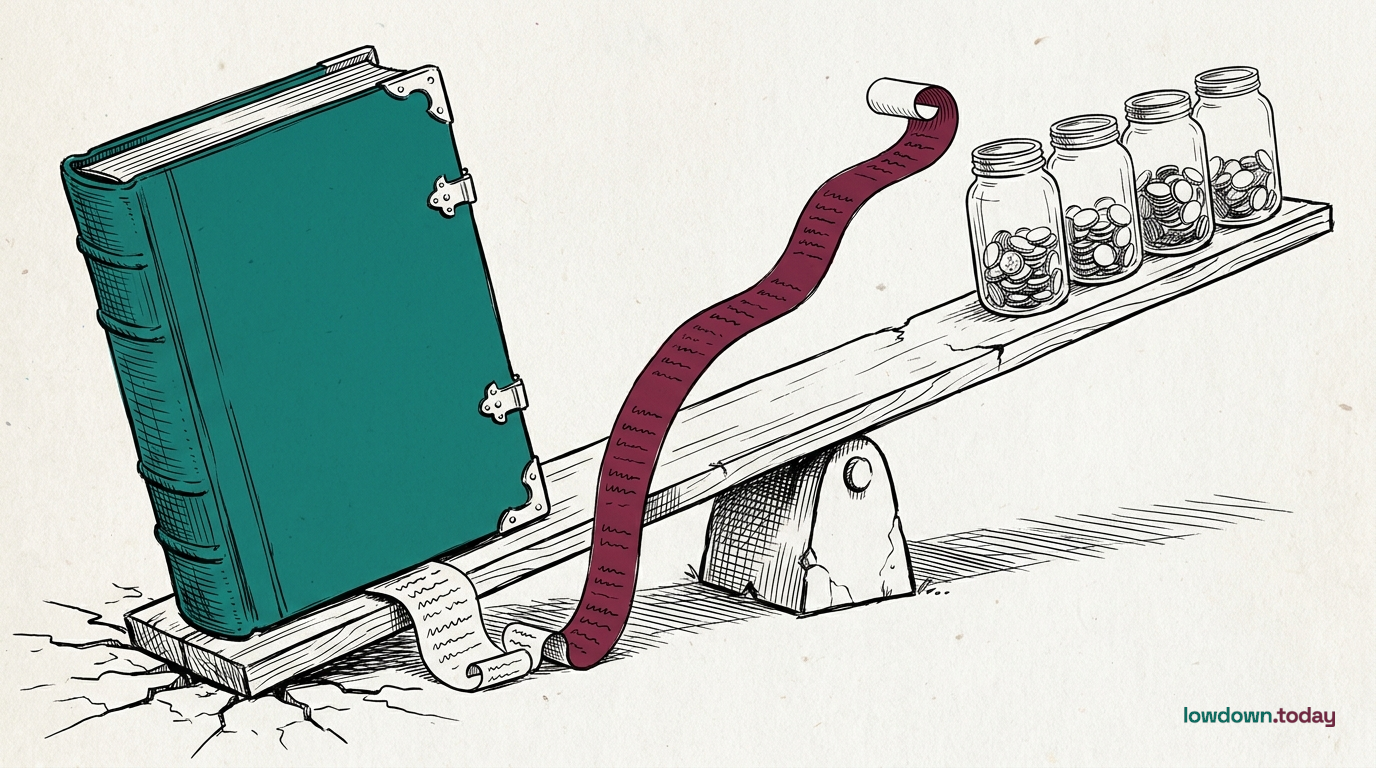
In 100 English councils the schools deficit exceeds the whole unallocated reserve.

English councils spent £144.4bn on services in 2025-26, £5.8bn or 4.2% over their own budgets, according to outturn figures the Ministry of Housing, Communities and Local Government (MHCLG) published on 17 September⁠1. Their non-ringfenced reserves still rose, to £31.1bn from £30.2bn. Schools deficits sit outside those reserves, kept off councils' main accounts by a statutory override that runs to the end of 2027-28.

The per-council returns show where the strain sits. Lowdown's sum of the 292 authorities that filed puts their Dedicated Schools Grant (ring-fenced schools money) deficits, mostly from spending on special educational needs above the grant, at £6.61bn, up 66% in a year⁠2. That is one and a half times the £4.33bn councils hold in reserves not earmarked for anything. In 100 councils the schools deficit exceeds the whole of that free reserve.

Sefton Council on Merseyside shows the sharpest gap in the returns: £3.2m of reserves against a £104m schools deficit in 2025-26, on MHCLG's figures, after drawing £28m during the year⁠3. Hampshire County Council carries the largest deficit, at £346m. The government has promised a grant covering 90% of deficits held at 31 March 2026. If that grant arrives, councils carry about a tenth of the stock, roughly £660m on Lowdown's sum, so their exposure turns on the grant rather than the override date.

Twenty-nine councils on Exceptional Financial Support, which lets a council borrow or sell assets to cover running costs, capitalised £775.7m in 2025-26, on Lowdown's sum of the returns. Capitalising treats running costs as capital spending, so that money never touches the reserves line. Somerset Council will seek further Exceptional Financial Support for 2026-27, Room151 reported on 30 September, and flagged a possible section 114 notice, the formal declaration that a council cannot balance its books, if it does not approve a balanced budget⁠4. Its general reserve stood at £67.4m on 31 March 2026, £6.9m below the 10% benchmark its external reviewer applies⁠5. The County Councils Network, a lobby group for county authorities, projects £7bn of extra annual spending by 2029⁠6.

Deep Analysis

In plain English

Councils run schools support, social care, bin collection, libraries and roads. In 2025-26 English councils spent £144.4bn, which was £5.8bn more than they had planned. Councils keep reserves, money set aside for emergencies. Those rose to £31.1bn. But a separate, hidden problem sits outside: councils owe £6.61bn on schools spending for children with special needs, on Lowdown's sum of their returns. A rule called the statutory override keeps that debt off councils' main books until the end of 2027-28. Sefton Council in Merseyside holds £3.2m of reserves against a £104m schools deficit.

Deep Analysis
Root Causes

The schools deficit comes from a funding formula that has not tracked the number of children with education, health and care plans. Councils must provide the support the plan describes, and the Dedicated Schools Grant sets the money, so the gap lands on the council's books.

The statutory override keeps that gap out of the main accounts. It runs to the end of 2027-28 and lets deficits accumulate off the main accounts while reserves look healthy.

The £5.8bn overspend has separate roots in adult social care and children's services, where demand is statutory and price rises follow wage costs, as Worcestershire's leaders said in August.

What could happen next?
  • Risk

    When the override ends in 2027-28, councils whose schools deficit exceeds free reserves, 100 on Lowdown's sum, face a balance sheet hole unless the 90% grant arrives.

  • Consequence

    Somerset Council's request for further support for 2026-27 shows the pressure moving from schools deficits to the revenue budget.

First Reported In

Update #4 · £8.1bn over forecast, and the 30-year at 6%

Ministry of Housing, Communities and Local Government· 7 Oct 2026
Read original →
Different Perspectives
Conservative Party
Conservative Party
Leader Kemi Badenoch said Labour will run out of money and proposed lifting defence to 3% of GDP, paid for from welfare. Shadow work and pensions secretary Helen Whately put those savings at £23bn, "just the start".
Reform UK
Reform UK
Treasury spokesman Robert Jenrick pledged £80bn a year of spending cuts by the end of the next parliament and claimed £30bn a year of interest savings. The Spectator judged that the sums still do not fully add up.
Centre for Policy Studies
The right-of-centre think tank argued on 4 October that Britain is not a low-tax country once workplace pensions and student-loan repayments are counted. Its comparison rests on 2019 data.
Institute of Economic Affairs
The free-market think tank argued on 28 September that alcohol, tobacco and landfill duties raised £5.2bn less than the OBR projected. That comparison is separate from the five-month borrowing overshoot.
Resolution Foundation
The centre-left think tank said on 8 September that about £1 in every £12 of public spending now goes on debt interest. In July it put headroom against the fiscal rules at about £10bn.
Audit Scotland
Audit Scotland
It reported on 17 September that three Scottish budgets planned ScotWind drawdowns and drew nothing each time. It warned that using one-off receipts to balance annual budgets can weaken spending control.
