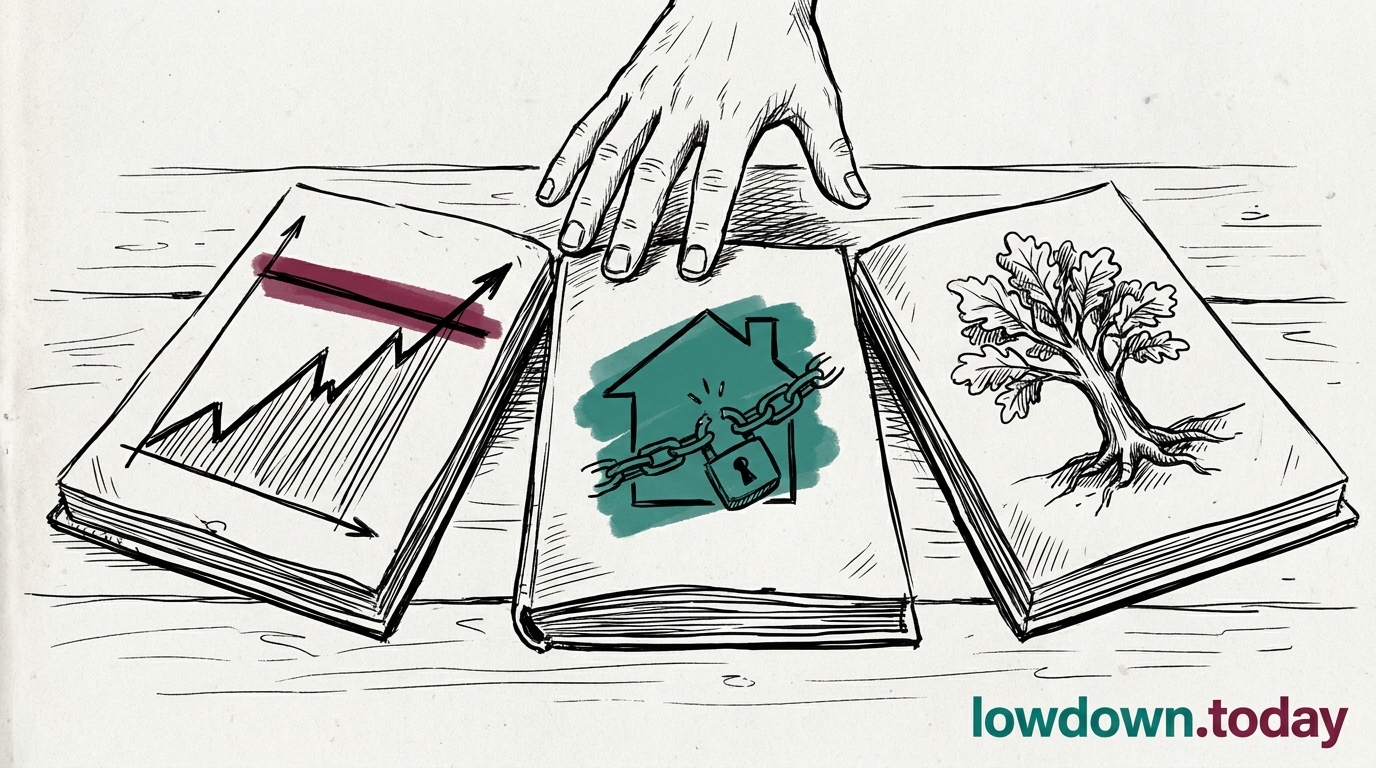
The Office for Budget Responsibility (OBR), the independent body that produces the official forecasts against which the government's fiscal rules are judged, confirmed that its next Economic and fiscal outlook will be published on 28 October 2026, on a commission from the Chancellor1. That document scores Budget decisions: it prices each measure, projects debt and borrowing over five years, and states whether the rules are met.
The OBR made no change during this window to the 1.4% long-run productivity growth assumption that underpins those projections2. Productivity growth determines how fast the economy, and therefore the tax base, expands over the forecast period. A fraction of a percentage point compounded over five years moves the debt path further than most of the tax measures currently being argued about in public.
Some of the pressure on that forecast accumulates without anyone deciding anything. The state pension triple lock, which uprates pensions by the highest of earnings, inflation or 2.5%, is costed by the OBR at £15.5bn a year by 2029-30, and it grows through a formula rather than through a decision taken in October. A Budget can change tax rates in a morning. It cannot change the assumption about productivity, which the OBR sets on its own evidence, and it changes commitments of that kind only by legislating.

