Skip to content
Welcome, thoughtbot's Giant Robots listeners!Start here
Iran Conflict 2026
10MAY

Oil barely moves on the stand-down

3 min read
14:22UTC

Brent settled near $72.91 on 29 June, up just 1.3% on the stand-down, with the second quarter closing about 30% lower.

ConflictDeveloping
Key takeaway

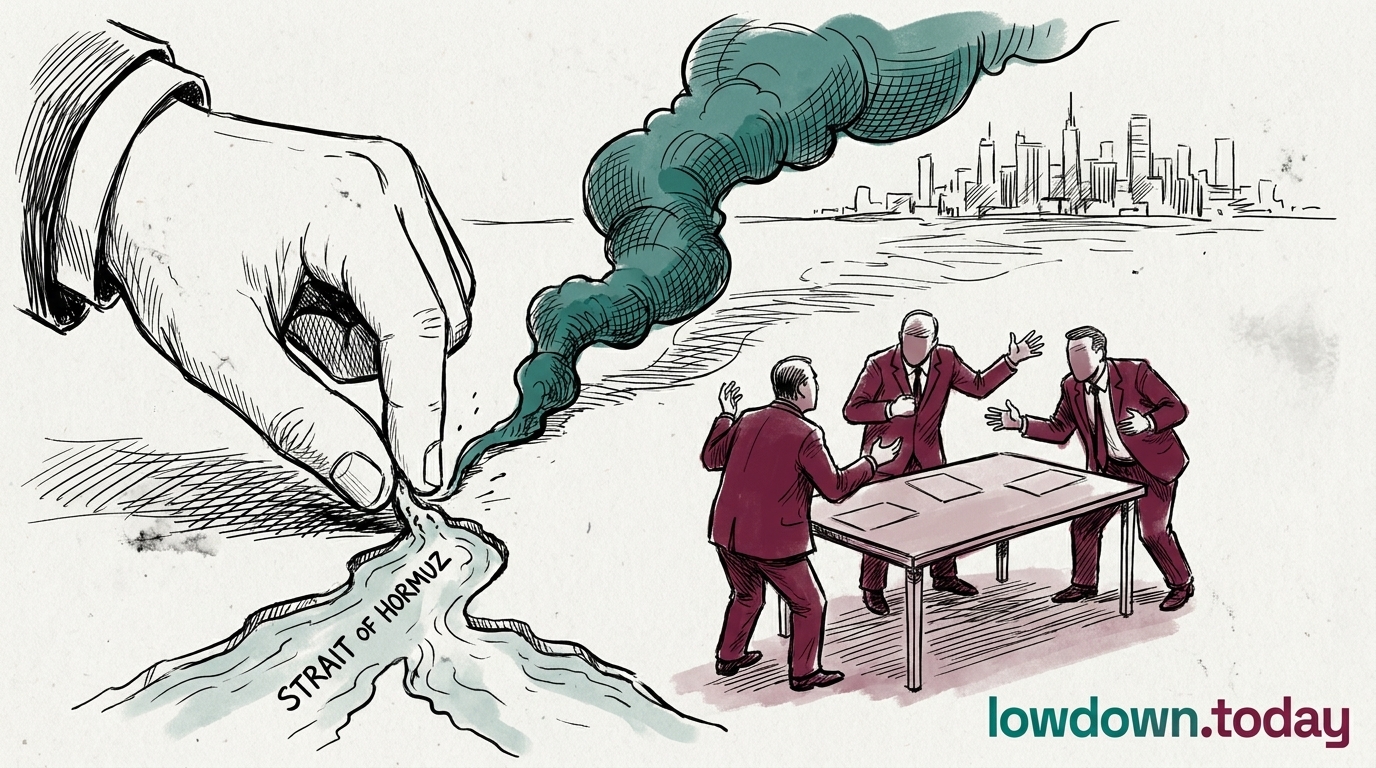
Oil rose just 1.3% after Iran hit US bases, with Brent betting on a Hormuz reopening that has not come.

Brent Crude settled near $72.91 on 29 June, up just 1.3% on the verbal stand-down, after touching $75.26 when the Kiku tanker was struck on 27 June⁠1. WTI (West Texas Intermediate), the US benchmark, sat near $69.70, below its pre-war range⁠2. The second quarter closed down about 30%, the steepest quarterly fall since 2020.

Iran struck two US bases, yet the benchmark held near $73, a sign traders are betting the strait reopens rather than pricing the escalation. Mines stay uncleared, hundreds of vessels remain stranded, and Iran's single-corridor demand is unmet; ING analysts warned that traders are too optimistic about the timeline for Gulf supply to return⁠3. Brent had settled at $71.99 on 26 June, so a fortnight of strikes, base attacks and a stand-down moved the benchmark barely a dollar.

Deep Analysis

In plain English

Oil prices moved very little on 29 June despite the US and Iran announcing a ceasefire. Brent Crude, the main international oil price measure named after a North Sea oilfield, settled at $72.91 a barrel, up just 1.3% from the day before. Analysts at ING, a large Dutch bank that monitors commodity markets closely, warned that the modest rise was misleading. The physical problem, the strait of Hormuz being practically closed to most shipping, has not gone away: sea mines still need to be cleared, hundreds of cargo vessels remain stuck outside the strait, and Iran insists ships use only a specific route it controls. Until shipping insurers reinstate war-risk cover, the cover that companies need before sending a vessel into a conflict zone, physical supply will not fully return even if the benchmark price implies otherwise. The broader picture: oil prices fell roughly 30% between April and June 2026, the sharpest quarterly decline since the early months of the COVID-19 pandemic in 2020.

What could happen next?
  • Consequence

    Brent's failure to rally more than 1.3% on the stand-down announcement confirms that restoring physical supply requires reinstating Lloyd's of London war-risk cover, rather than a verbal agreement to halt fire.

    Immediate · Reported
  • Risk

    ING's assessment that traders are too optimistic about the Gulf supply recovery timeline, given uncleared mines and the single-corridor dispute, suggests a downside correction is possible if the Doha shuttle fails to produce a routing resolution within the Article 5 window.

    Short term · Assessed
  • Consequence

    Q2 2026's roughly 30% Brent decline is the steepest quarterly fall since 2020, materially reducing the fiscal revenues of all Gulf oil producers and raising budget-deficit pressures in Saudi Arabia, Kuwait, and the UAE simultaneously with the active conflict.

    Short term · Reported
First Reported In

Update #141 · Iran hits two US bases; Trump pulls back

GlobalSecurity.org· 30 Jun 2026
Read original →
Different Perspectives
Office for Budget Responsibility
The OBR's 28 October forecast assumed $82 oil for 2026 and 2027, from market prices for the ten working days to 19 August, and blamed dearer wholesale energy on the war without naming Iran. It expects CPI inflation close to 4% in early 2027 even at that price.
Hengaw, Kurdish rights group
Hengaw reported the 3 November hangings of Amirhossein Maleki and Amirhossein Ebrahimi in Isfahan, saying Ebrahimi was tortured into confessing and that nine of 12 people sentenced to death in the case have now been hanged. Iran's judiciary holds that the defendants killed members of the security forces.
FINTRAC, Canada's financial intelligence unit
FINTRAC worked with the US Treasury on the 6 November designation of eight money services businesses in British Columbia, Ontario and Quebec. Treasury says the businesses still operate, some under new names, so closing them falls to Ottawa.
Abdul Qadir al-Dakhil, Governor of Nineveh
Al-Dakhil cancelled three Mosul International Airport contracts on 7 November over alleged links to armed groups, after meeting Prime Minister Ali al-Zaidi in Baghdad. He named no group or company, and said the contracts will go to international companies.
Kuwait
Kuwait
Kuwait condemned the Houthi missile fired towards the Madinah region on 5 November and restated its support for Saudi Arabia, the Qatar News Agency reported. Its state tanker company, Kuwait Oil Tankers Company, is among the Gulf state fleets on Iran's expanded Hormuz list.
Scott Bessent, US Treasury Secretary
Treasury designated an alleged Chandigarh false-flag network on 4 November and eight Canadian exchangers on 6 November, while State sanctioned alleged MANPADS intermediaries. None of the actions touches an oil buyer; they target the paper, cash and procurement around Iran's trade.

Written with AI from Lowdown's published reporting. Not individually reviewed by an editor. Editorial standards.