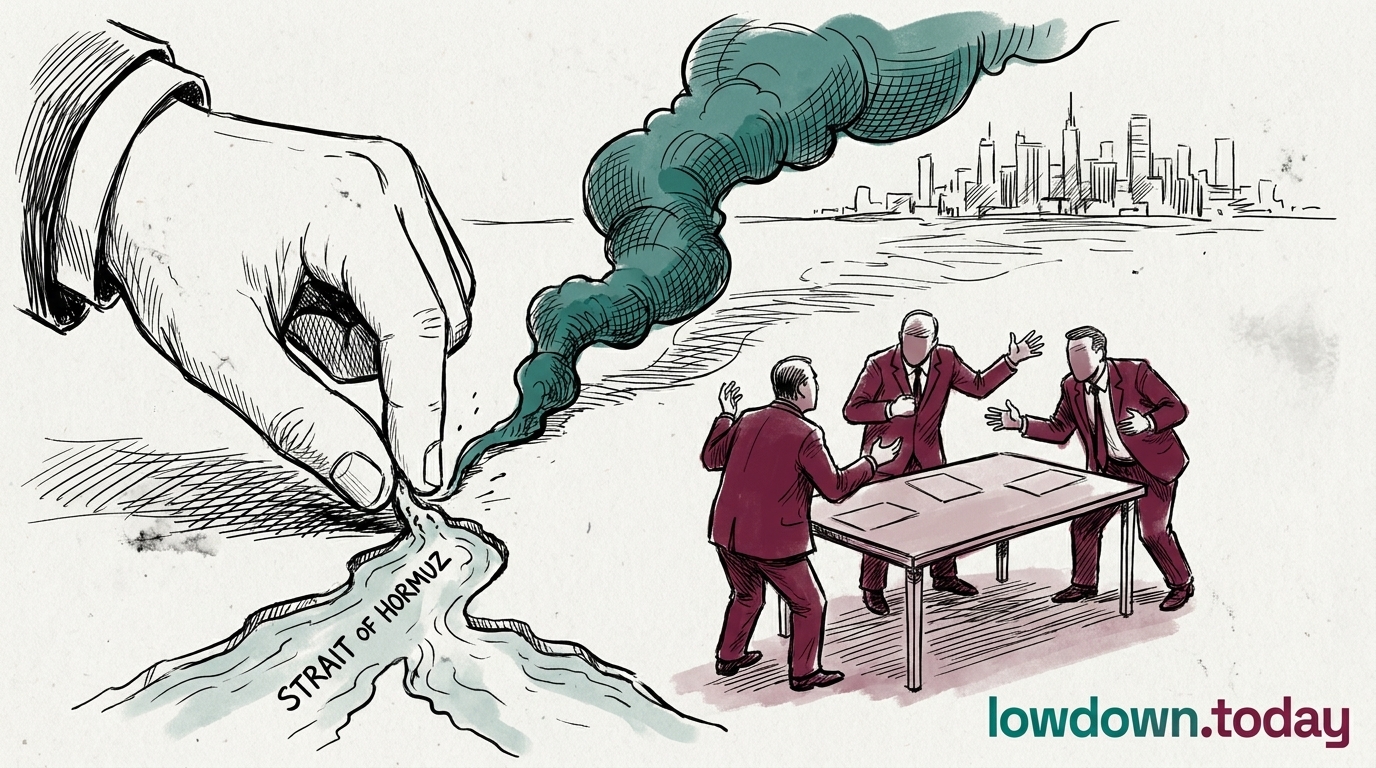
ENTSO-E data carried by euenergy.live logged the France-Germany day-ahead spread hit €93.68/MWh on Wednesday 3 June, the largest single-day print of the series. That is more than double the €46.58 high of 21 May and a clean doubling of the €23.68 compression on 12 May. The sequence of highs is not random volatility; it is the nuclear-versus-gas gradient amplified each time weather pushes renewable output into a grid with nowhere to put it.
Weather provided the trigger. A late-May heatwave that ran French national average temperature to 24.9C on 26 May1 pushed a midday solar surge into a market where French nuclear was already running 3.1 TWh above the 2025 year-to-date pace, with EDF holding full-year guidance at 350-370 TWh. Germany, short of nuclear and dispatching on gas-plus-carbon, cleared the same demand at €102.64, its second €100-plus print in three weeks.
The VNU (Vente Nucleaire Universelle, the regulated nuclear-pricing scheme that replaced ARENH on 1 January 2026) sharpens the spread into a P&L gap. It passes near-spot power to French industrials. On 3 June that meant a French smelter buying at single digits while a German competitor paid the gas-set clear above €100. That gap does not require a view on energy markets; it is the current cost of running a plant.
The forward calendar narrows the French cushion. From September, the Flamanville-3 reactor (a European Pressurised Reactor, EPR) enters a one-year overhaul that removes 1.6 GW at heating-season onset. The surplus that amplified the heatwave spread is the same surplus the maintenance schedule withdraws into winter, when German gas demand rises and VNU buyers lose the nuclear floor.


