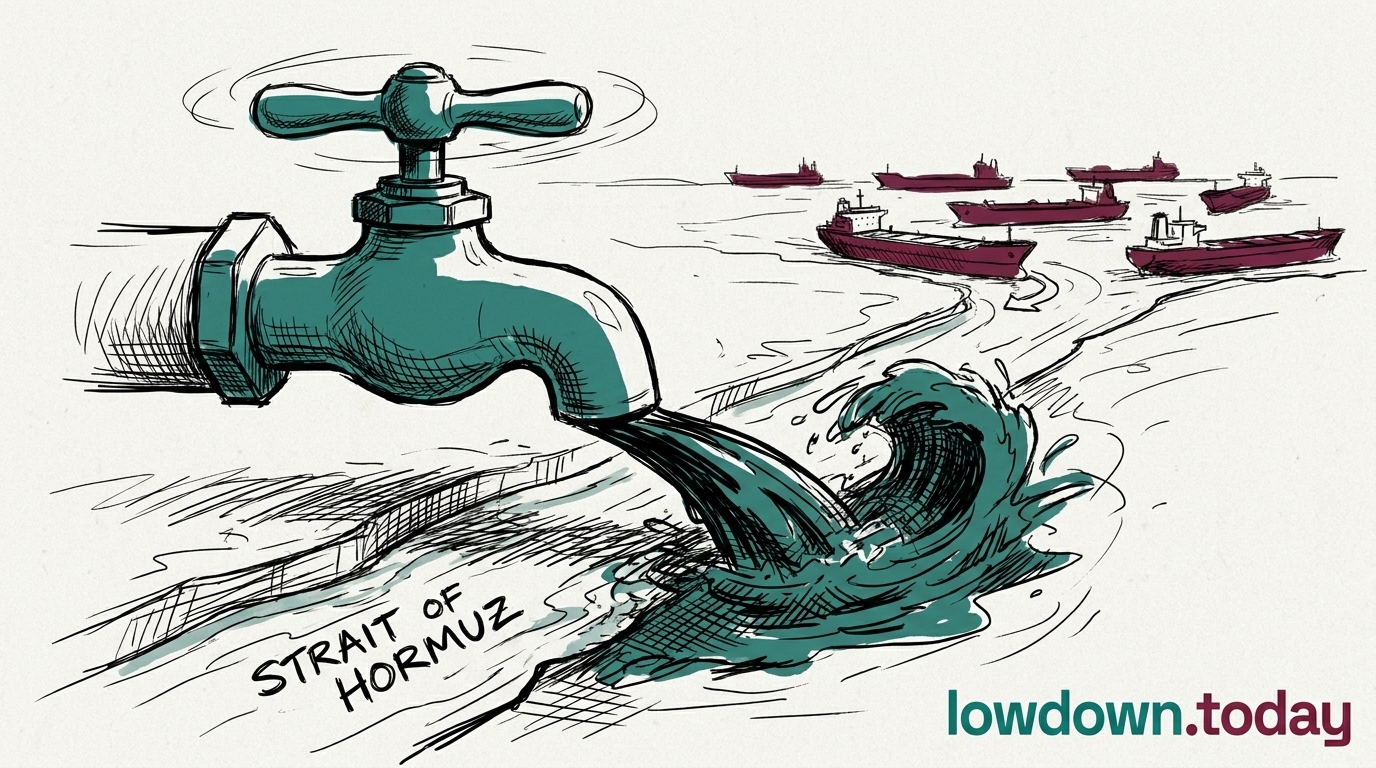
The UK Sovereign AI Unit's Strategic Assets competition closes for full applications at 14:00 BST on Friday 5 June, with second-wave contracts of up to £5m each expected from July1. The unit sits inside DSIT, the UK Department for Science, Innovation and Technology, and invests in nationally strategic AI through equity stakes and compute access. Each contract runs 12 to 24 months across challenge areas including national security, cybersecurity, energy and health. The competition follows the £80m procurement launched in April and the first cohort that took an equity stake in Callosum and awarded compute to six firms.
The two sovereignty models now sit side by side. Britain builds national isolation, picking domestic champions and funding them directly through equity and compute. The EU builds shared dependency through pan-EU procurement frameworks, spreading the bet across a single market. The British design concentrates risk in a handful of state-backed firms: if the chosen champions fail, the strategy fails with them. The EU design spreads that risk but ties delivery to the slowest legislative clock in the bloc, the same clock that has held CAIDA on its fourth scheduled date.
Neither doctrine reaches the layer that matters most. For British founders the offer is up to £5m of non-dilutive funding within weeks, but only for projects the state has pre-selected as strategic. For European firms it is access to a shared procurement pool that depends on a law not yet adopted. Both run on US or Chinese chips, and neither has closed the compute gap Bruegel measured.


