Skip to content
You can now search across every topic, entity and event.What's new
Iran Conflict 2026
10APR

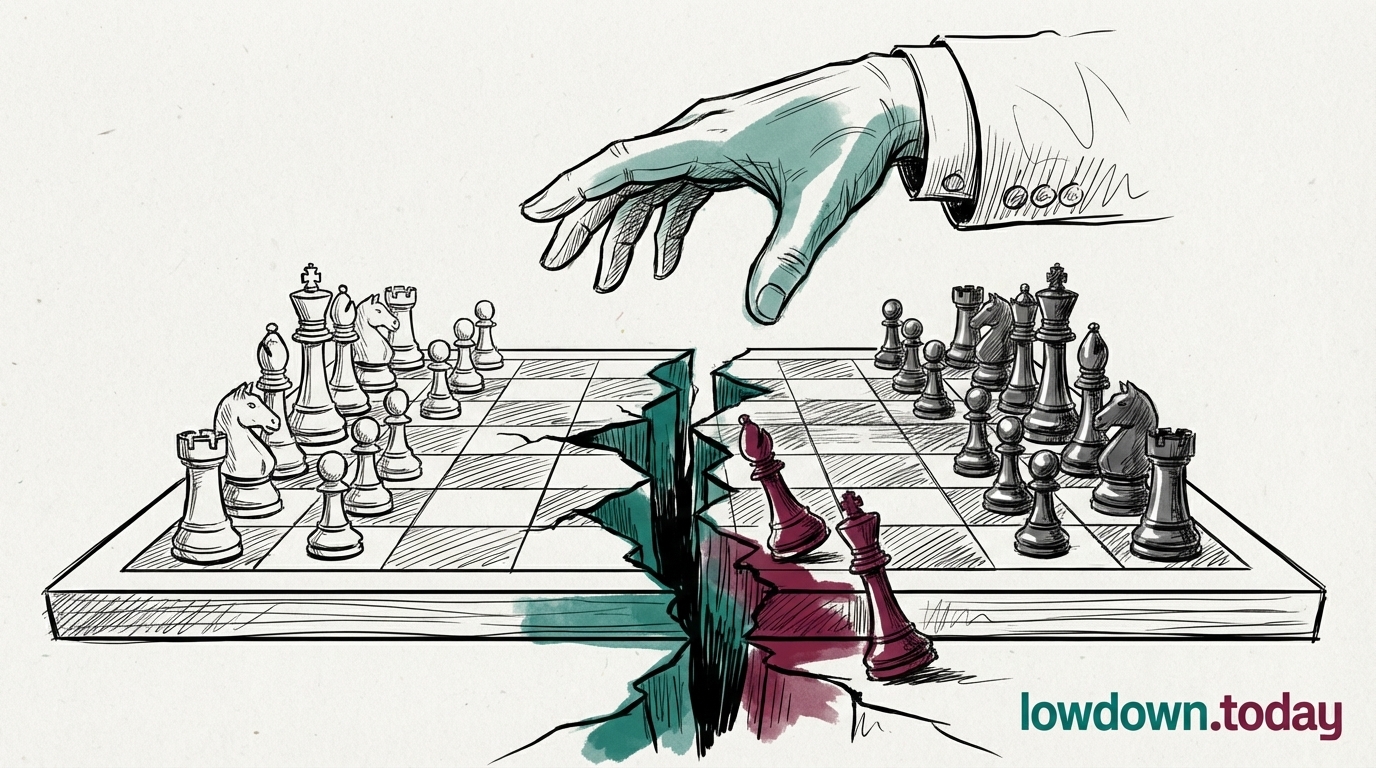
Brent at $73: oil forecast of $150 fails

1 min read
08:05UTC

Brent crude stood at approximately $73 per barrel immediately before the 28 February 2026 strikes, with analysts forecasting a rise to $80–100 — well below the $150–200 predicted in earlier modelling — as markets priced partial, reversible Hormuz disruption rather than a formal blockade.

ConflictDeveloping
Key takeaway

Markets priced an $80–100 oil range on 28 February because they assessed Hormuz disruption as partial and reversible — the $150–200 scenario remains a live tail risk conditional on Iranian naval interdiction or prolonged conflict.

The pre-strike $150–200 oil price forecast rested on two assumptions: that Iran would execute a formal Hormuz blockade using mining and naval interdiction, and that the conflict would persist long enough for physical supply to be severely constrained. Neither condition materialised on 28 February. Iran's response comprised ballistic missile strikes, not naval interdiction; tanker avoidance is voluntary and reversible; and Saudi Arabia retains spare production capacity to partially offset any Gulf supply disruption.

A rise from $73 to $80 represents a 10% increase. At $100, the increase is 37% — still inflationary but below the recession-triggering threshold implied by $150–200 modelling. At $100, European economies already managing the energy cost legacy of the Russia-Ukraine war face additional pressure, as do emerging markets with dollar-denominated energy import bills. The Bloomberg tanker-avoidance reporting and Euronews analyst consensus both point to the $80–100 range as the February 28 baseline estimate.

The $150–200 scenario remains a live tail risk rather than a falsified prediction. It materialises if the conflict extends to include Iranian naval action in Hormuz, prolonged tanker avoidance beyond two to three weeks, or destruction of Saudi or UAE production infrastructure. Markets are pricing a shorter and more contained conflict than the worst-case scenario assumed — not ruling out further escalation.

What could happen next?
  • Meaning

  • Meaning

First Reported In

Update #2 · Five cities struck on opening night

Bloomberg· 28 Feb 2026
Read original
Causes and effects
This Event
Brent at $73: oil forecast of $150 fails
The more modest oil price forecast relative to pre-strike predictions suggests markets assessed Iranian oil infrastructure damage and Hormuz risk as manageable in the short term.
Different Perspectives
Oil markets / Lloyd's of London
Brent fell to near $87.33 on 80 per cent deal-probability pricing, but Lloyd's has not de-listed Hormuz from its war-risk register and shipping diversions continue at 139 vessels. Insurance markets are lagging futures: physical risk remains while financial markets have spent the good news before the paper exists.
India
India
Modi is expected to raise the deaths of three Indian sailors in the 11 June CENTCOM strike on the MT Settebello with Trump at G7 sidelines, the first non-party leader to put the blockade's human cost into a formal bilateral. New Delhi is also a major Iranian oil buyer whose import volumes the sanctions-relief terms will govern.
Israel (Netanyahu)
Israel (Netanyahu)
Netanyahu stated Israel is not party to the deal on 12 June; Defence Minister Katz ruled out the Lebanon withdrawal Iran's draft demands, inserting a third blocker the US-Iran negotiating channel cannot resolve. Israel's position tethers Hormuz reopening to a Lebanon settlement Washington has not brokered.
Pakistan (mediator, Sharif/Naqvi)
Sharif declared a final agreed text on 12 June before either principal confirmed it, running two Tehran visits in under a week without securing a written IRGC or Khamenei response. Islamabad's incentive to claim a diplomatic win outpaces its standing to deliver either capital's signature.
Iran foreign ministry (Araghchi)
Araghchi declared digital signing within days while setting dilute-in-Iran as a non-negotiable red line on the 440.9 kg HEU stockpile, a standing Tehran position he cannot override without authorisation from Khamenei, reachable only by courier. The FM track is sprinting to close before the IRGC reasserts control.
Trump administration / CENTCOM
Vance called the deal still TBD on 12 June while CENTCOM downed Iranian drones over Hormuz for a second consecutive night and the White House register stayed blank. Washington holds the ship-out position on HEU and has not signed an Iran instrument in over 100 days of conflict.