Skip to content
You can now search across every topic, entity and event.What's new
Iran Conflict 2026
6APR

First €3.2bn loan tranche due in Gdansk

2 min read
09:43UTC

The EU's first €3.2 billion loan tranche is set to disburse at the Ukraine Recovery Conference in Gdansk on 25 to 26 June, after an earlier delay held the money back in early June.

ConflictDeveloping
Key takeaway

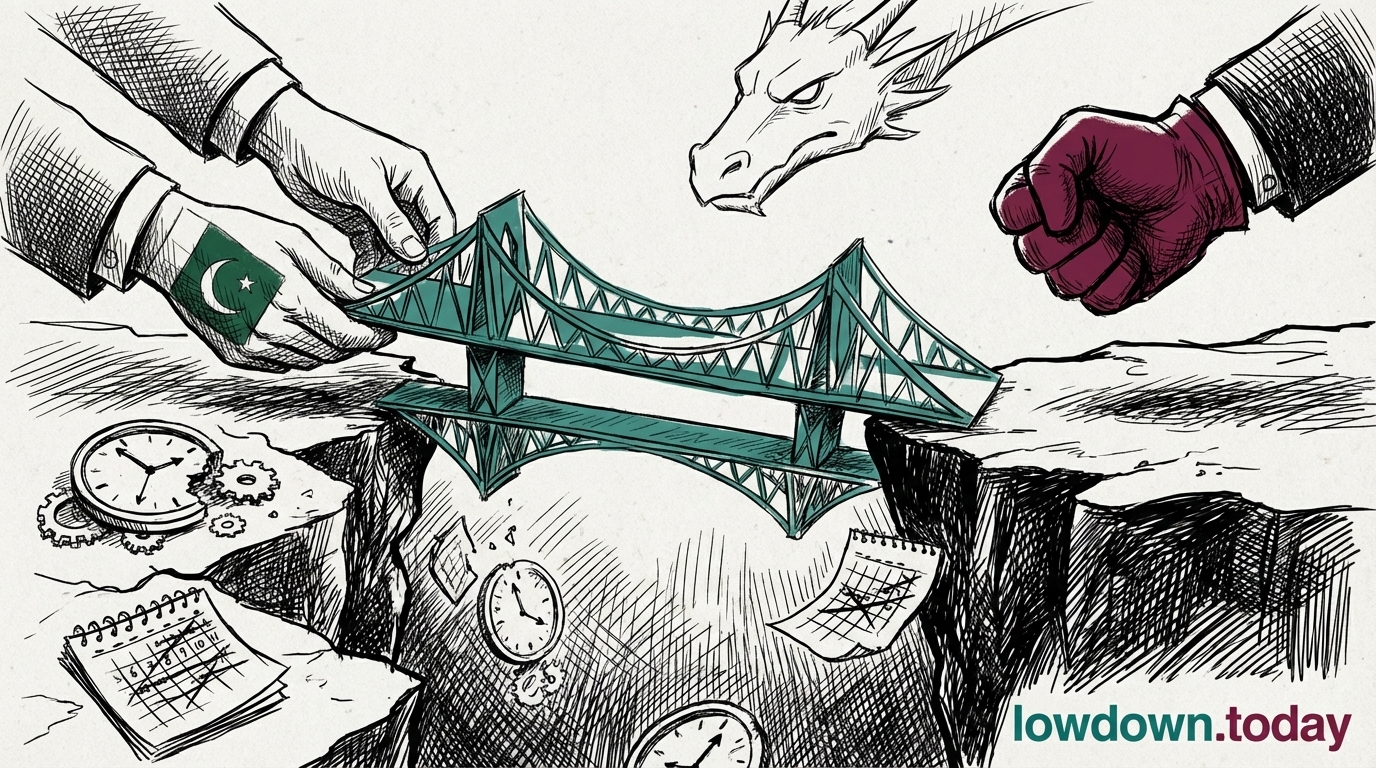
The €3.2bn tranche due at Gdansk tests whether the €90bn loan moves on schedule.

The European Union's first €3.2 billion loan tranche, under the €90 billion package, is confirmed to disburse at the Ukraine Recovery Conference in Gdansk on 25 to 26 June 1. The disbursement was locked in by the 18 June EU Council conclusions, and it follows an earlier stumble: in early June the first tranche was delayed on unmet technical conditions, with only €2.8 billion released from a separate facility .

Ukraine's Rada approved the €90 billion package with the first tranche due mid-June , and that calendar has already drifted once, which makes the disbursement dates the part worth watching. A disbursement tied to a set-piece conference is harder to quietly postpone than one buried in a Council timetable, which is part of why Gdansk matters. If the €3.2 billion lands on the dates given, it signals the financing pipeline is working; if it slips again, the delay becomes the more telling fact.


Deep Analysis

In plain English

The European Union agreed in June to pay Ukraine the first instalment of a large €90 billion loan. The first payment of €3.2 billion was due to be handed over at a conference in Gdansk, Poland, on 25-26 June. The conference, called the Ukraine Recovery Conference, is an annual meeting where governments and international organisations discuss how to help rebuild Ukraine. This money is a loan, not a gift, but it is unusual: it is partly backed by the interest earned on Russian government assets that EU countries have frozen since 2022. Russia cannot access its own money until a peace agreement allows those assets to be unfrozen.

What could happen next?
  • Opportunity

    The €90 billion loan facility, backed by frozen Russian asset proceeds, provides Ukraine with long-term budget support that reduces its dependence on annual Western political decisions.

First Reported In

Update #21 · Ukraine's drones reach Russia's petrol pumps

Kyiv Independent· 24 Jun 2026
Read original
Causes and effects
This Event
First €3.2bn loan tranche due in Gdansk
Whether the tranche actually lands at Gdansk is the test of whether the €90 billion loan moves on schedule or stalls again on technical conditions.
Different Perspectives
Oil traders
Oil traders
Sent Brent down 2.29 per cent to $98.38 a barrel on reports that mediation was reviving, moving the price on CENTCOM's quiet night rather than on Trump's same-day promise of a bigger operation with no deadline attached.
Iran
Iran
An Iranian official called the same mediation account completely misleading, denying it received any US proposal via Baghdad on the same day Iraq denied delivering one, leaving neither denial able to settle what actually passed between the two capitals.
Iraq
Iraq
Called groundless the New York Times account that its prime minister carried a US ceasefire proposal to Tehran, a denial that also protects Baghdad's effort to avoid becoming a party to a war fought by aircraft it does not control.
OHCHR
OHCHR
Recorded 17 civilian seafarer deaths since the war began, a population neither the Pentagon nor Iran's Health Ministry counts in its own tally, and called for urgent action on 6,000 crew stranded across roughly 400 vessels in the Strait of Hormuz.
Houthis
Houthis
Enforced the blockade on Saudi-linked shipping it declared on 20 July by hitting the NCC Masa and then an Aramco facility at Jazan, moving from radio warnings to strikes on land after four days without a confirmed hit.
Saudi Arabia
Saudi Arabia
Struck Houthi military sites near Hodeidah the same day the NCC Masa was hit, while its coalition spokesman insisted Hodeidah, Ras Issa and Salif all remain open to navigation. The distinction protects the ports Yemen's population depends on for food and fuel even while punishing the group behind the tanker strike.



