Skip to content
You can now search across every topic, entity and event.What's new
Iran Conflict 2026
4APR

Italy gets €211m photonic chip aid

3 min read
09:24UTC

The Commission approved €211m of Italian state aid for photonic chips on 9 April, the third Chips Act pilot-line green-light in three months. The money is moving; the 2030 headline target is not being mentioned.

ConflictDeveloping
Key takeaway

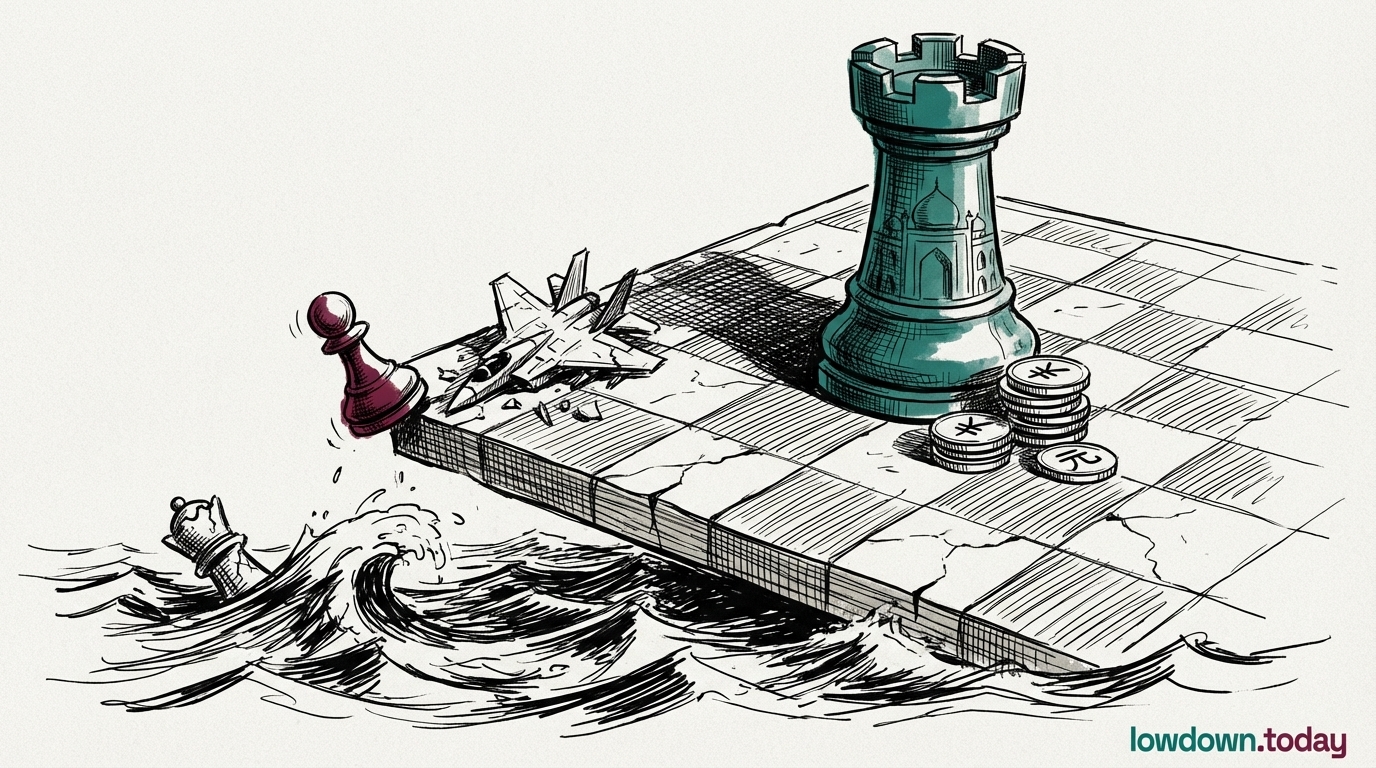
Brussels is rerouting Chips Act money into photonics and packaging, where Europe still has an industrial base.

The European Commission approved €211m of Italian state aid for photonic chips on 9 April 2026 1. DG CNECT, The Commission's digital-strategy directorate, continues a visible pilot-line pattern that already includes the €700m NanoIC green-light on 9 February and the FAMES pilot-line inauguration on 30 January 1. STMicroelectronics, the Franco-Italian chipmaker at the heart of Europe's automotive and industrial semiconductor supply, is among the beneficiaries.

The arithmetic behind the Chips Act has changed underneath the approvals. Intel's cancelled Magdeburg fab and suspended GlobalFoundries Crolles project together removed €37.5bn of planned leading-edge investment. Photonics pilot lines at €211m and €700m operate at a different scale and in a different part of the stack: they cannot substitute for the cancelled logic capacity, and the first Integrated Production Facility and Open EU Foundry designations already dropped the 20% market share number .

For European chip investors and member-state planners the pivot matters because it changes what the Chips Act is spending on. Photonics and advanced packaging are areas where Europe retains an existing industrial base; leading-edge logic at 20% of global market share is not. The Commission has not published a revised target or a formal Chips Act 2.0 roadmap to replace the 2030 figure, and the pilot-line approvals are continuing without one.


Deep Analysis

In plain English

Standard computer chips use electrical signals moving through metal wires. Photonic chips use pulses of light instead, which can carry more data, faster, with less energy. This matters particularly for the giant data centres powering AI, where moving data between chips is a major bottleneck and energy cost. Italy has received €211m in EU state aid approval to support photonic chip manufacturing. This is part of a broader pattern where the EU is directing Chips Act money toward types of chips where European companies already have expertise, rather than trying to compete directly with Taiwan (TSMC) and South Korea (Samsung) in cutting-edge processor manufacturing where Europe has fallen behind. Phototonics will not replace the cancelled Intel and GlobalFoundries factories that were supposed to make Europe a global leader in advanced chips. But it is a niche where European companies can genuinely compete and build commercial capacity.

First Reported In

Update #2 · Brussels buys, Britain backs, Google unlocks

European Commission DG CNECT· 19 Apr 2026
Read original
Different Perspectives
Oil traders
Oil traders
Sent Brent down 2.29 per cent to $98.38 a barrel on reports that mediation was reviving, moving the price on CENTCOM's quiet night rather than on Trump's same-day promise of a bigger operation with no deadline attached.
Iran
Iran
An Iranian official called the same mediation account completely misleading, denying it received any US proposal via Baghdad on the same day Iraq denied delivering one, leaving neither denial able to settle what actually passed between the two capitals.
Iraq
Iraq
Called groundless the New York Times account that its prime minister carried a US ceasefire proposal to Tehran, a denial that also protects Baghdad's effort to avoid becoming a party to a war fought by aircraft it does not control.
OHCHR
OHCHR
Recorded 17 civilian seafarer deaths since the war began, a population neither the Pentagon nor Iran's Health Ministry counts in its own tally, and called for urgent action on 6,000 crew stranded across roughly 400 vessels in the Strait of Hormuz.
Houthis
Houthis
Enforced the blockade on Saudi-linked shipping it declared on 20 July by hitting the NCC Masa and then an Aramco facility at Jazan, moving from radio warnings to strikes on land after four days without a confirmed hit.
Saudi Arabia
Saudi Arabia
Struck Houthi military sites near Hodeidah the same day the NCC Masa was hit, while its coalition spokesman insisted Hodeidah, Ras Issa and Salif all remain open to navigation. The distinction protects the ports Yemen's population depends on for food and fuel even while punishing the group behind the tanker strike.



