Skip to content
Welcome, thoughtbot's Giant Robots listeners!Start here
Iran Conflict 2026
31MAR

Iran strikes Gulf aluminium plants

3 min read
08:23UTC

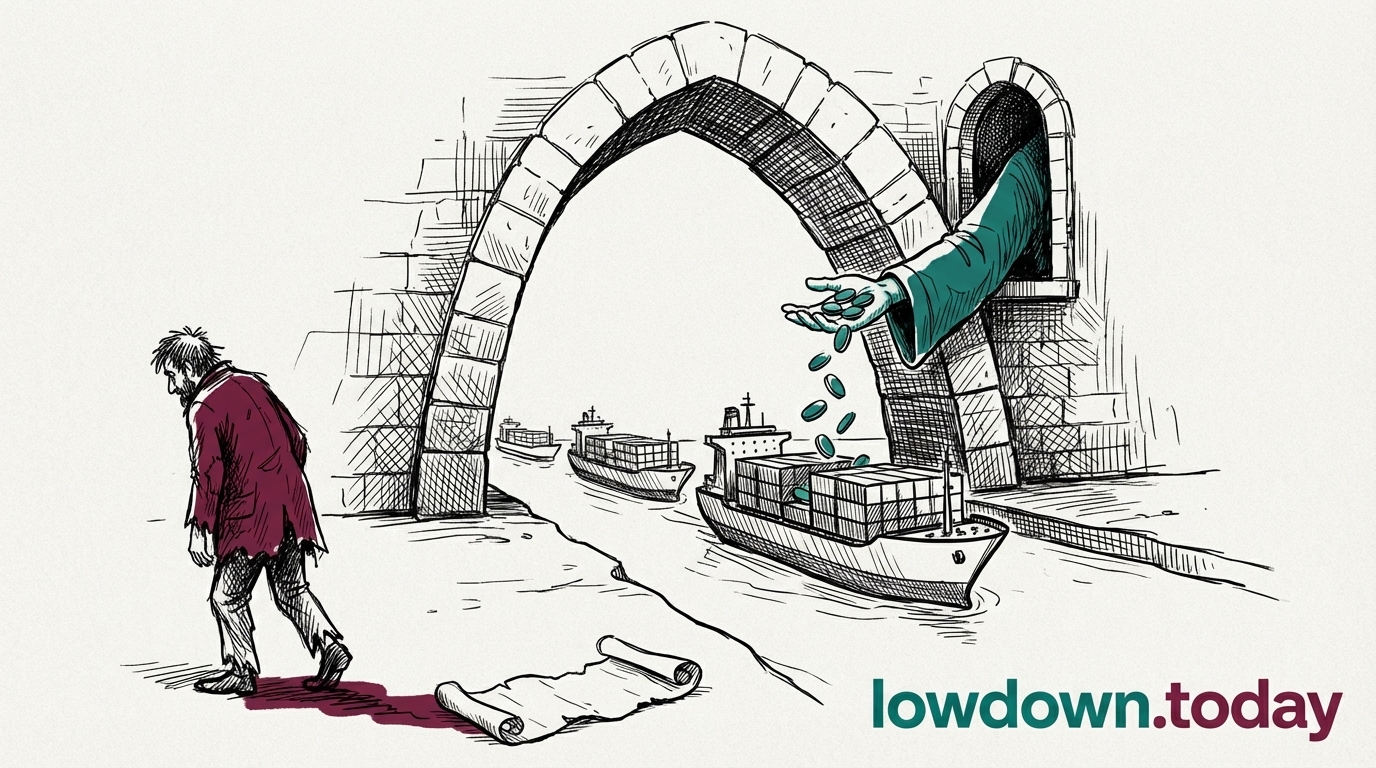
Iranian missiles hit two of the Gulf's largest aluminium smelters, opening an economic warfare front beyond hydrocarbons for the first time in the conflict.

ConflictDeveloping
Key takeaway

Iran opened a second economic front targeting Gulf industrial production beyond oil and gas.

IRGC missiles and drones struck Emirates Global Aluminium (EGA) at Al Taweelah in Abu Dhabi and Aluminium Bahrain (Alba) on 28 March⁠1. These are the first attacks on non-energy industrial targets since the war began. EGA's Al Taweelah site produced 1.6 million tonnes of cast metal in 2025, roughly 4% of global aluminium output and nearly half the Gulf region's capacity. Two Alba workers were injured; EGA reported multiple casualties, none fatal⁠2.

The IRGC classified both plants as "industries affiliated with and connected to US military and aerospace sectors," applying dual-use targeting logic to civilian commodity production. The classification opens an elastic category: aluminium feeds aerospace, defence manufacturing, packaging, and construction. Iran has moved beyond attacking energy infrastructure to disrupting the industrial supply chains that feed Western defence contractors.

Iran's stated rationale is retaliation for US-Israeli strikes on Iranian steel plants. The effect is broader than the justification. If EGA's damage proves production-grade, the aluminium supply shock will ripple through sectors with no direct connection to hydrocarbons. Brent crude settled at $112.57 on 28 March; aluminium futures have not yet priced in the EGA and Alba damage.

In 1991, the US struck Iraqi power plants and water treatment facilities under dual-use logic. Iran is now applying the same doctrine in reverse against US-allied industrial assets. Once established, dual-use targeting expands until one side runs out of targets or the other exhausts its strike capability.

Deep Analysis

In plain English

Iran has been striking oil infrastructure in the Gulf since the conflict began. On 28 March it attacked something different: two of the world's largest aluminium factories, one in the UAE and one in Bahrain. Aluminium might seem an odd target in a war. Iran's stated logic is that these factories supply Western defence industries, so they count as military targets. Critics call this a stretch: the same argument could apply to almost any factory. The practical significance is that two factories producing roughly 4% of the world's aluminium are now damaged or offline. That disrupts everything from aircraft manufacturing to drinks cans. It also signals that no Gulf industrial site is off-limits.

Deep Analysis
Root Causes

Iran's decision to cross from energy to industrial targeting reflects a calculated assessment that energy-only strikes have not produced sufficient economic pressure on Gulf states hosting US forces.

The IRGC's dual-use classification creates an elastic legal category that can encompass virtually any Gulf industrial asset. Aluminium feeds aerospace, defence manufacturing, packaging, and construction globally. Once the classification is established, the target set is essentially unlimited.

Iran also faces internal political pressure to demonstrate symmetry. US-Israeli strikes on Iranian steel plants (cited by the IRGC as justification) created a domestic demand for visible retaliation against comparable targets rather than further attacks on oil infrastructure that risks global backlash.

What could happen next?
  • Precedent

    IRGC's dual-use classification creates a template applicable to virtually any Gulf industrial asset, effectively removing the distinction between military and civilian economic targets.

    Short term · 0.8
  • Risk

    If EGA production damage proves sustained, aluminium futures will enter supply-shock territory, adding a second commodity market disruption alongside oil.

    Immediate · 0.7
  • Consequence

    Gulf sovereign risk premia will rise as host states face broader industrial targeting; UAE and Bahrain may reconsider the terms of US basing access.

    Medium term · 0.6
First Reported In

Update #51 · Iran hits aluminium plants; Hormuz emptying

Emirates Global Aluminium· 29 Mar 2026
Read original →
Different Perspectives
Wang Yi
Wang Yi
China's foreign minister and Djibouti's issued a joint communique on 21 October saying the war should not reach the Horn of Africa and stressing free navigation through Bab al-Mandeb. The text names neither Iran nor the Houthis, and Djibouti hosts China's only overseas military base, opposite the Yemeni coast.
Ministry of External Affairs
India's foreign ministry called the attacks on Saudi civilian and energy sites "unacceptable" on 22 October and said they must stop at once. An Indian died at Dammam, Indians were injured there and at Shaybah, and about 4,000 Umrah pilgrims remain stranded by one MP's count.
Iraq
Iraq
Iraq closed the al-Sheeb crossing with Iran to travellers and trucks from 21 October and said other crossings would close gradually. Unlike September's closure, which ended on a staged timetable, this one has none, and Iran's interior ministry said it received no notice.
Abdel Fattah el-Sisi
Egypt's president said on 21 October that Cairo's support would "defend Saudi territory, and does not include an attack on Yemen". Araghchi warned that Egyptian involvement would further complicate the situation, and Cairo's limit matches the one Ankara set on 8 October against attacking another state's soil.
UK Ministry of Defence
The MoD said on 20 October that RAF Typhoons over Saudi Arabia will not strike the Houthis, but extended tanker support to Saudi operations including against Houthi targets in Yemen. The tanker line sets no limit on strikes, so British aircraft may now refuel Saudi jets on bombing runs.
Turkey
Turkey
Ankara sent the Mecca Joint Defence Agreement to parliament around 20 October, and its published text treats an attack on one party as an attack on all. Article 16 brings it into force only on the last ratification, so the 5 October invocation in Riyadh could not yet bind Turkey.

Written with AI from Lowdown's published reporting. Not individually reviewed by an editor. Editorial standards.
