Skip to content
You can now search across every topic, entity and event.What's new
Iran Conflict 2026
31MAR

Cuba carve-out strands nine SDN cargoes

2 min read
08:23UTC

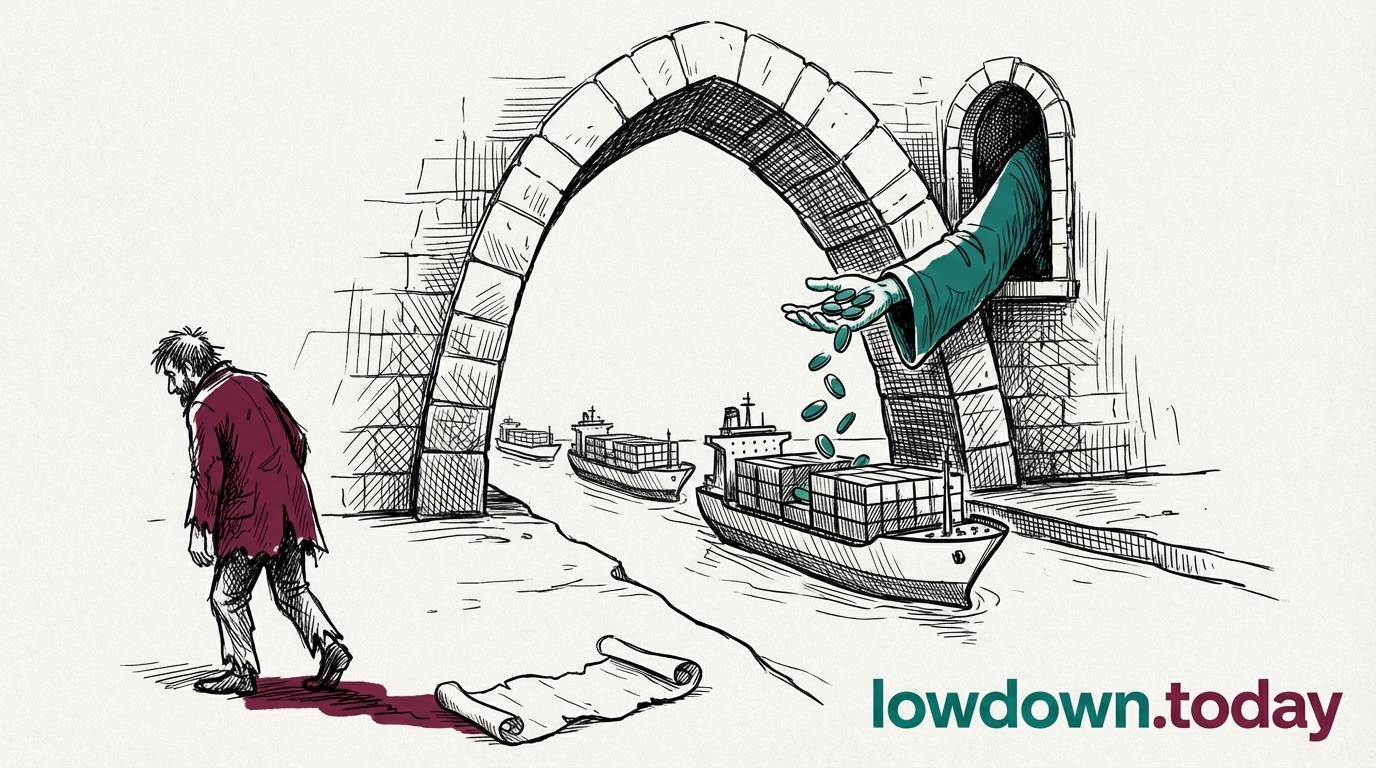
OFAC added nine Cuban officials to the SDN list on 18 May, one based in Cienfuegos, while GL 134C paragraph (b)(1) excludes Cuba outright, creating a cargo class that loses its waiver on a single Cuban touch.

ConflictDeveloping
Key takeaway

A single Cuban counterparty voids GL 134C cover for the whole cargo, not a fraction of it.

OFAC added nine Cuban officials to the SDN list on Monday 18 May, the same action that issued GL 134C, with one of the nine based in Cienfuegos, the south-central Cuban port that hosts the island's primary refinery 1. Paragraph (b)(1) of the licence excludes Cuba outright, carrying forward the carve-out that already stood when GL 134B lapsed on 16 May .

In practice that creates a Cuba-tainted cargo class. Any pre-17-April Russian barrel that touched a Cuban intermediary between loading and delivery loses 134C cover entirely. A trader who priced a Primorsk loading as fully covered now has to re-screen the whole voyage chain, because one Cuban counterparty voids the waiver for the entire cargo, not a fraction of it.

There is no pro-rata haircut to hedge against a Cuban touch: a cargo is either clean or it is uninsurable under the licence, so the diligence burden sits on proving a negative across every ship-to-ship transfer and every chartering counterparty. The sanctions policy belongs to the Russia file; the cargo-classification cost it triggers lands squarely on the desks completing those cargoes.

Deep Analysis

In plain English

Cuba is completely left out of the GL 134C permit ; any Russian oil that passed through Cuban waters, a Cuban-linked ship, or a Cuban company loses its legal protection entirely. On the same day GL 134C was signed, US authorities added nine Cuban officials to a blacklist that prohibits anyone from doing business with them. One of those officials is based in Cienfuegos, the Cuban city where Cuba's main oil refinery sits. In practical terms, this means traders need to trace the full journey of every Russian oil cargo back to its loading port to check for any Cuban connection ; a small Cuban link anywhere in the chain voids the protection for the whole shipment.

Deep Analysis
Root Causes

Cuba's carve-out reflects a US domestic political calculus that predates the Russia sanctions: the Helms-Burton Act (codified 1996) and CAATSA (2017) both embed Cuba within the same executive order architecture as Iran and Russia.

The OFAC action on 18 May was administratively combining a Russia-sanctions waiver with a Cuba-sanctions enforcement action under a shared regulatory filing, signalling Treasury treating all three programmes as a unified adversarial-nations supply-chain enforcement mandate.

The Cienfuegos designation's timing alongside GL 134C suggests Treasury has evidence of specific Russian-Cuban crude routing activity at the Cienfuegos facility ; not a coincidental pairing of unrelated enforcement actions.

First Reported In

Update #2 · GL 134C reverses the cliff, Brent -$14

OFAC· 26 May 2026
Read original
Causes and effects
This Event
Cuba carve-out strands nine SDN cargoes
One Cuban counterparty voids GL 134C cover for the whole cargo, forcing traders to re-screen voyage chains they had priced as clean.
Different Perspectives
Oil traders
Oil traders
Sent Brent down 2.29 per cent to $98.38 a barrel on reports that mediation was reviving, moving the price on CENTCOM's quiet night rather than on Trump's same-day promise of a bigger operation with no deadline attached.
Iran
Iran
An Iranian official called the same mediation account completely misleading, denying it received any US proposal via Baghdad on the same day Iraq denied delivering one, leaving neither denial able to settle what actually passed between the two capitals.
Iraq
Iraq
Called groundless the New York Times account that its prime minister carried a US ceasefire proposal to Tehran, a denial that also protects Baghdad's effort to avoid becoming a party to a war fought by aircraft it does not control.
OHCHR
OHCHR
Recorded 17 civilian seafarer deaths since the war began, a population neither the Pentagon nor Iran's Health Ministry counts in its own tally, and called for urgent action on 6,000 crew stranded across roughly 400 vessels in the Strait of Hormuz.
Houthis
Houthis
Enforced the blockade on Saudi-linked shipping it declared on 20 July by hitting the NCC Masa and then an Aramco facility at Jazan, moving from radio warnings to strikes on land after four days without a confirmed hit.
Saudi Arabia
Saudi Arabia
Struck Houthi military sites near Hodeidah the same day the NCC Masa was hit, while its coalition spokesman insisted Hodeidah, Ras Issa and Salif all remain open to navigation. The distinction protects the ports Yemen's population depends on for food and fuel even while punishing the group behind the tanker strike.