Skip to content
Briefings are running a touch slower this week while we rebuild the foundations.See roadmap
Iran Conflict 2026
26MAR

Ukraine bars EU experts from Druzhba

1 min read
09:36UTC

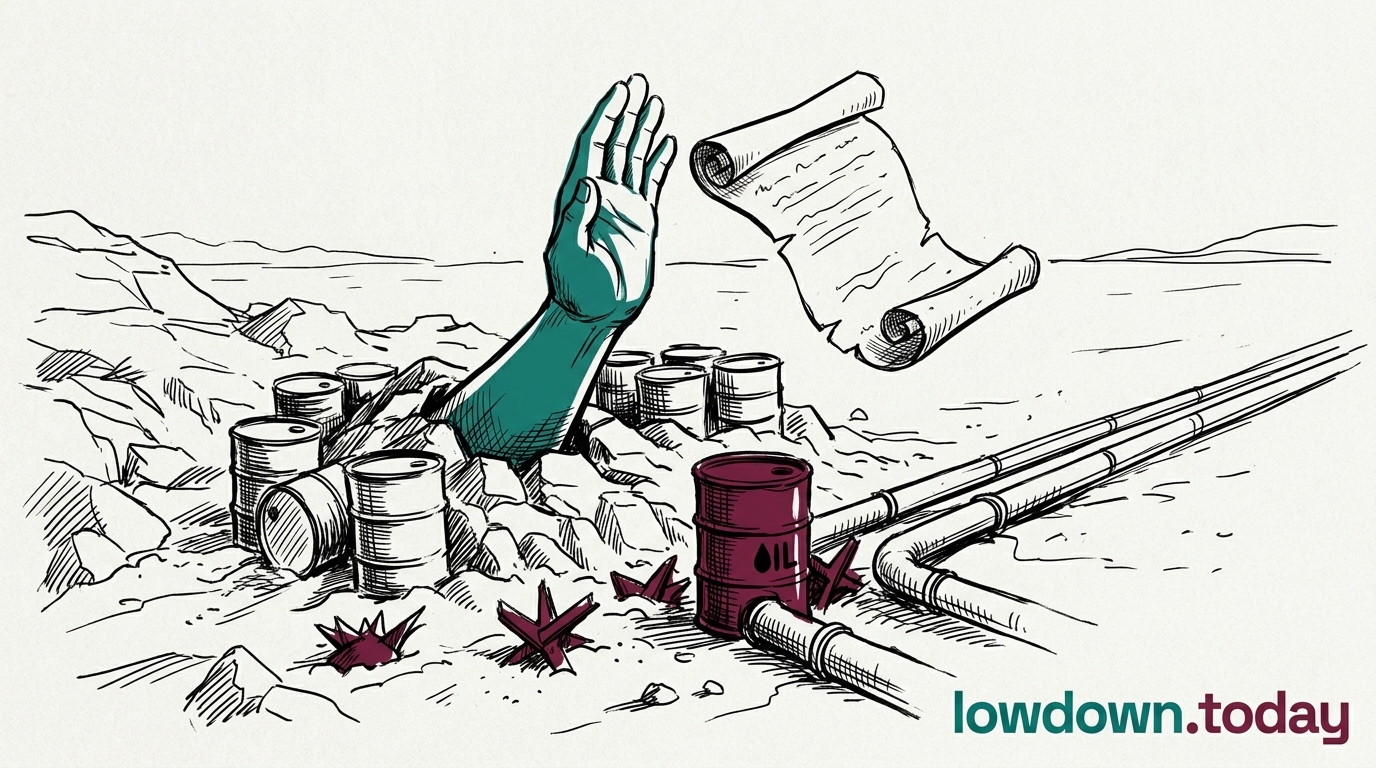
EU experts in Kyiv remained unable to inspect the damaged pipeline section as of 27 March, despite a repair commitment Zelenskyy gave in exchange for the €90 billion loan.

ConflictDeveloping
Key takeaway

Ukraine has little incentive to repair the pipeline while Hungary continues blocking the loan it was meant to unlock.

Ukraine had not granted EU experts access to the damaged Druzhba pipeline section as of 27 March, despite the 25 April deadline for the EU's phased Russian gas ban and the repair commitment Zelenskyy gave in exchange for the €90 billion loan 1.

Naftogaz presented a repair plan to the EU on 19 March , but presentation and access are different things. Whether the delay is logistical (the damaged section may be near active front lines), security-related, or a deliberate negotiating tactic remains unclear. Each explanation carries different implications for the EU's timeline.

The repair commitment was the price Hungary extracted for unblocking the €90 billion loan. Hungary then re-blocked the loan at the EU summit on 19 March. From Kyiv's perspective, fast pipeline repair now rewards Budapest's bad faith without securing the financing it was meant to unlock. Withholding access costs Ukraine nothing in the short term and maintains pressure on the EU to resolve Budapest's obstruction first.

The 25 April gas ban deadline does not wait for pipeline diplomacy. If the pipeline remains unrepaired when LNG restrictions take effect, Central European refineries dependent on Russian crude face supply disruptions regardless of who is responsible for the delay.


Deep Analysis

In plain English

Ukraine promised the EU it would repair a damaged oil pipeline as part of a deal to unlock a €90 billion loan. The EU sent engineers to Kyiv to inspect the damage. As of 27 March, Ukraine has not yet let them see the affected section. Why might Ukraine delay? Hungary — the country most affected by the pipeline damage — then turned around and blocked the loan anyway. Ukraine may be withholding pipeline access as a bargaining chip: why fix it for free if the loan it was meant to unlock is still frozen? The EU faces a deadline: a gas import ban takes effect on 25 April regardless of whether the pipeline dispute is resolved.

First Reported In

Update #8 · Pentagon diverts funds; 948 drones fired

Ukrainska Pravda· 27 Mar 2026
Read original
Causes and effects
This Event
Ukraine bars EU experts from Druzhba
The inspection delay may itself be leverage: while Hungary blocks the loan, granting quick access to the pipeline would reward Budapest's obstruction without resolving the underlying financial dispute.
Different Perspectives
Markets
Markets
Brent crude rose 2.2 per cent to $96.34 on 10 June, reversing a 7 per cent weekly decline built on deal optimism, as the overnight exchange repriced the Strait of Hormuz risk premium in a single session. The move reflects transit-risk repricing rather than supply shock: Iran's exports had already collapsed to below 300,000 barrels per day.
Pakistan
Pakistan
Pakistan's Naqvi channel, the only mediation track carrying both civilian and military buy-in, was stress-tested by live ordnance within 48 hours of the 6-7 June Tehran visit. Whether Washington informed Islamabad of the imminent strike plan while Naqvi was in Tehran remains undisclosed, putting the channel's neutrality under scrutiny.
Kuwait
Kuwait
Kuwait hosted the third Iranian strike on its soil since the 3 June airport drone attack, with Ali Al Salem airbase targeted in the three-country salvo. Its recent $1.98 billion Anduril Anvil counter-drone purchase signals it is rearming rather than reconsidering its hosting posture.
Bahrain
Bahrain
Bahrain absorbed the IRGC barrage via PAC-3 intercepts with its magazine already at 87 per cent depletion and no resupply before 2027. Sounding air-raid sirens over Manama, it faced the intercept burden with the thinnest defensive stack in the Gulf coalition.
Jordan
Jordan
Jordan reported all five incoming missiles intercepted with no injuries and no damage, a clean defensive performance that strengthens Amman's case for staying in the Western coalition without escalating its own posture. It now sits on Iran's target list for the first time despite not being a party to the Abraham Accords confrontation.
Iran / IRGC
Iran / IRGC
Foreign Minister Araghchi posted on X that US forces should 'leave our region if you want to be safe' and framed the exchange as a US defeat, while the IRGC claimed 21 targets hit and an F-35 hangar destroyed. The claims serve a domestic and Arab-audience framing rather than a verified battle-damage assessment.



