Skip to content
Welcome, thoughtbot's Giant Robots listeners!Start here
Iran Conflict 2026
8NOV

Iran publishes the flattering oil figure

2 min read
19:56UTC

Oil minister Mohsen Paknejad disclosed $18 billion in wartime oil sales, all of it earned before the current blockade closed the sea lane.

ConflictDeveloping
Key takeaway

Iran disclosed pre-blockade oil earnings of $18 billion and no figure at all for the period since.

Iran's oil minister Mohsen Paknejad disclosed $11.5 billion in oil sales between 28 February and 7 April and $6.5 billion between 7 April and 10 July, in remarks Reuters reported on 25 July⁠1. The combined $18 billion amounts to more than 60% of the oil revenue Iran budgeted for the year, earned across the war's first phase and the ceasefire that followed it.

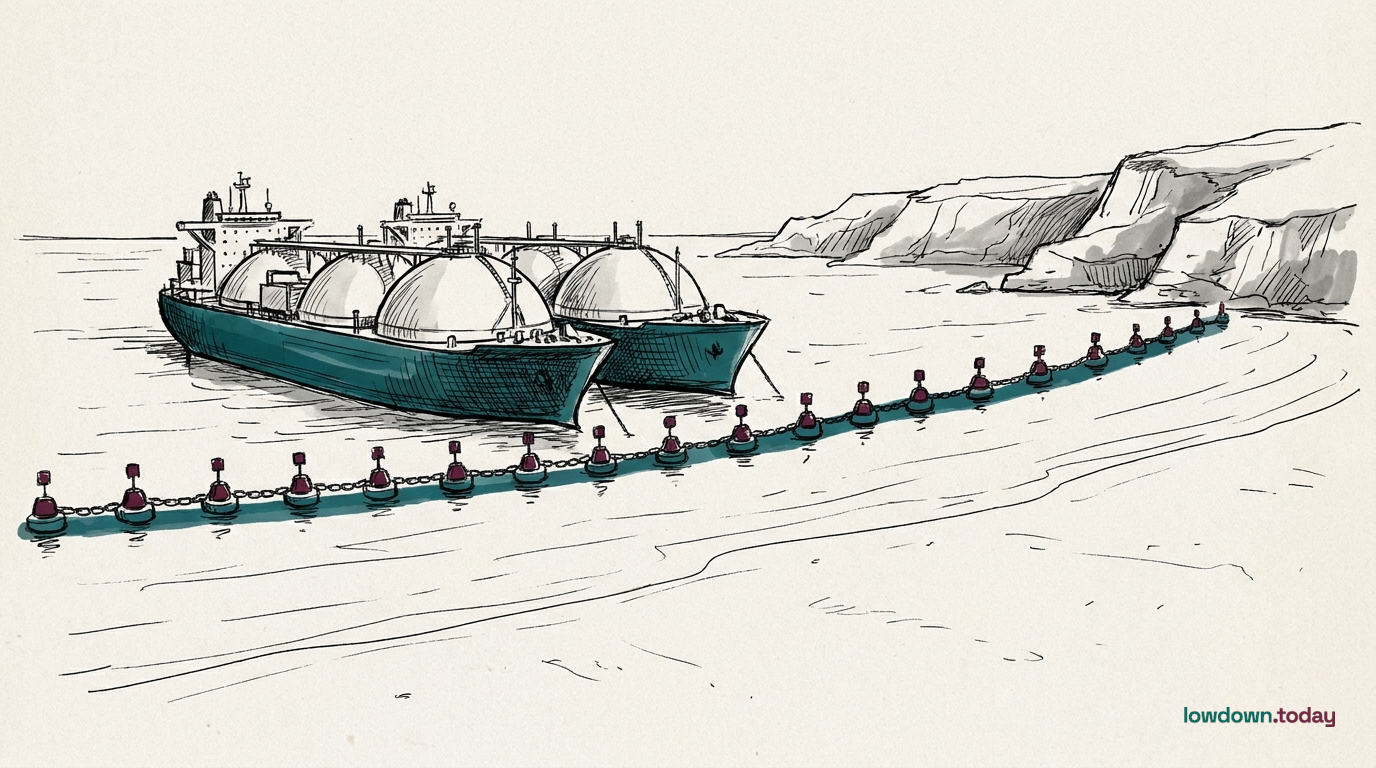
Both periods close before the fighting resumed on 8 July. Neither says anything about what Iran has sold since the blockade came back into force, and Reuters could attribute no comparable figure to the weeks since; Shana, the oil ministry's own news agency, could not be reached. Any reading of these numbers as Iran shrugging off the present campaign is a reading the numbers do not support.

What they do support cuts against the framing much of the coverage of this war, including ours, has carried. Sanctions, a revoked oil waiver and five months of bombardment did not collapse Iranian oil income across the periods disclosed. That sat alongside genuine domestic damage over the same months, with the free-market rial passing 189,450 toman to the dollar: a state earning hard currency abroad while its citizens' savings evaporated at home.

Selective disclosure of a lagging favourable figure is a communications choice, not a transparency one. Iran ran a comparable pattern through the 1980s Tanker War, publishing aggregate trade totals that survived sanctions while staying silent on the shipment-level detail that would have let outsiders calculate throughput in real time. The number that matters now is the one no Iranian ministry or state outlet has released: sales made since 8 July, with the blockade back in force and Hormuz traffic collapsed. Until that figure appears, whether the blockade is working remains an open question rather than an answered one.

Deep Analysis

In plain English

Iran's oil minister says the country earned $18 billion from oil sales in two separate periods this year, together worth more than 60% of what the government had budgeted to earn from oil for the whole year. That sounds like proof sanctions and blockades are not working. But look closely at the dates: both periods end before 10 July, before the current naval blockade at the strait of Hormuz began squeezing Iran's oil exports again. So this $18 billion tells us Iran coped well earlier in the war. It tells us nothing about how Iran's oil trade is doing right now, because nobody has published a number for that yet.

Deep Analysis
Root Causes

Iran's ability to move $18 billion of oil in under five months rests on a well-established sanctions-evasion architecture: ship-to-ship transfers in international waters, flag-switching through intermediary vessels, and discounted sales to Chinese teapot refineries that do not report the trade through standard customs channels the way OECD buyers would.

That infrastructure is built for evading financial sanctions, not for moving cargo through a physically blockaded strait; whether it survives a naval blockade at Hormuz, rather than a paperwork blockade in Washington, is precisely the unanswered question the missing post-10-July figure would resolve.

What could happen next?
  • Meaning

    The disclosed figures undercut a pure strangulation narrative for the war's first five months, without saying anything about the current blockade phase.

    Immediate · Assessed
  • Opportunity

    A future disclosure covering the post-10-July period would be the clearest available test of whether the reimposed blockade is actually working.

    Short term · Reported
  • Risk

    Absent a verified figure, both sides can claim vindication, Iran citing resilience and Washington citing blockade pressure, from the same data gap.

    Medium term · Suggested
First Reported In

Update #162 · Munitions, not Iran, halted US bombing

Iran International (citing Reuters)· 26 Jul 2026
Read original →
Different Perspectives
Office for Budget Responsibility
The OBR's 28 October forecast assumed $82 oil for 2026 and 2027, from market prices for the ten working days to 19 August, and blamed dearer wholesale energy on the war without naming Iran. It expects CPI inflation close to 4% in early 2027 even at that price.
Hengaw, Kurdish rights group
Hengaw reported the 3 November hangings of Amirhossein Maleki and Amirhossein Ebrahimi in Isfahan, saying Ebrahimi was tortured into confessing and that nine of 12 people sentenced to death in the case have now been hanged. Iran's judiciary holds that the defendants killed members of the security forces.
FINTRAC, Canada's financial intelligence unit
FINTRAC worked with the US Treasury on the 6 November designation of eight money services businesses in British Columbia, Ontario and Quebec. Treasury says the businesses still operate, some under new names, so closing them falls to Ottawa.
Abdul Qadir al-Dakhil, Governor of Nineveh
Al-Dakhil cancelled three Mosul International Airport contracts on 7 November over alleged links to armed groups, after meeting Prime Minister Ali al-Zaidi in Baghdad. He named no group or company, and said the contracts will go to international companies.
Kuwait
Kuwait
Kuwait condemned the Houthi missile fired towards the Madinah region on 5 November and restated its support for Saudi Arabia, the Qatar News Agency reported. Its state tanker company, Kuwait Oil Tankers Company, is among the Gulf state fleets on Iran's expanded Hormuz list.
Scott Bessent, US Treasury Secretary
Treasury designated an alleged Chandigarh false-flag network on 4 November and eight Canadian exchangers on 6 November, while State sanctioned alleged MANPADS intermediaries. None of the actions touches an oil buyer; they target the paper, cash and procurement around Iran's trade.

Written with AI from Lowdown's published reporting. Not individually reviewed by an editor. Editorial standards.
