Skip to content
You can now search across every topic, entity and event.What's new
Iran Conflict 2026
21SEP

OPEC release never mentions a pause

2 min read
15:34UTC

The OPEC Secretariat's 2 August release records seven countries agreeing a 188,000 b/d September adjustment and names 6 September as the next meeting, with nothing anywhere about the fourth quarter.

ConflictAssessed
Key takeaway

OPEC confirmed a 188,000 b/d September adjustment by seven countries and published nothing about the fourth quarter.

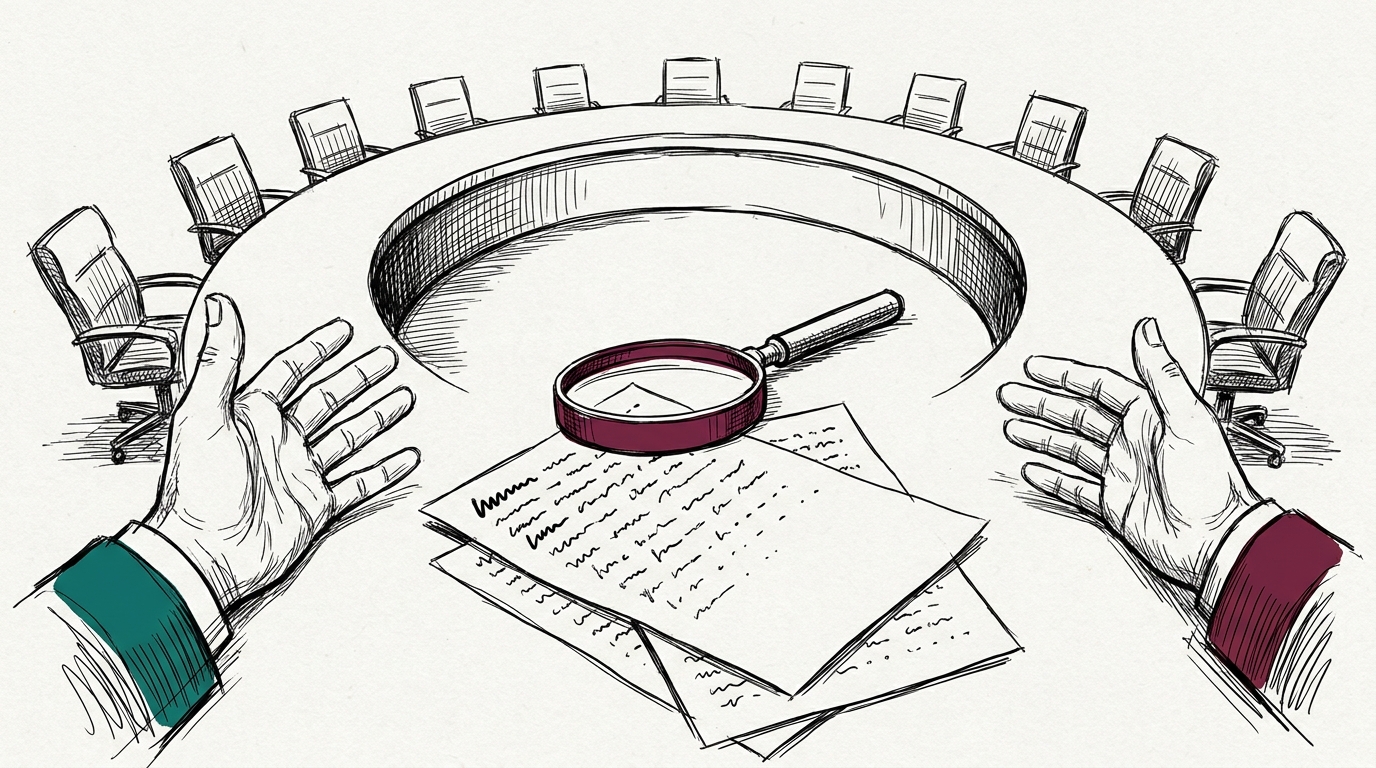
The OPEC Secretariat published a release on 2 August, retrieved here verbatim, recording that seven countries agreed a 188,000 b/d production adjustment for September and setting the next meeting for 6 September 1. Saudi Arabia, Russia, Iraq, Kuwait, Kazakhstan, Algeria and Oman are the seven producers named in the text. OPEC+ is the expanded producer alliance that pairs OPEC members with allied exporters outside it, and this subgroup is the one that has been handling the monthly voluntary adjustments.

The text carries no reference to a fourth-quarter pause, to a hold, or to output beyond September. This desk reported that pause on 28 July on Reuters delegate sourcing , and the document now in hand does not support it. Two corrections to our own record follow. OPEC names seven countries in the subgroup, not the eight widely carried on the wires. The September increment is confirmed by the producers themselves, while the fourth-quarter pause remains attributable to delegates and wire reporting alone, never to OPEC.

A release is a narrow instrument and its silences are weak evidence, so nothing here says the pause will not happen. What it does establish is where the burden of proof currently sits for anyone holding fourth-quarter term supply on the assumption that the producers have already decided. The 6 September ministerial becomes the first date at which that language can be confirmed or withdrawn, and until then the exposure is being carried against a narrative no primary document supports. A desk pricing Q4 balances off a communique that does not mention the fourth quarter is running the same class of position the flat price ran into Monday morning.


Deep Analysis

In plain English

OPEC and its allied producers sometimes leak details of their plans through unnamed officials before they announce anything formally. Last week, sources told this desk the group might pause production increases later in the year. This week, OPEC's own official statement confirmed a smaller near-term increase but said nothing at all about a later pause, so this correction reflects what the organisation has actually put on paper, not a claim about what was privately discussed.

Deep Analysis
Root Causes

Delegate sourcing and a Secretariat release routinely diverge because delegates speak on background before communiques are finalised, often floating an internal negotiating position that a subset of officials wanted on the record and others did not.

When the formal release omits it, that omission is not proof the idea was never discussed; it more often means it did not survive to consensus, or the Secretariat judged it premature to publish while talks continue toward the 6 September meeting.

What could happen next?
  • Meaning

    The next OPEC+ meeting on 6 September is the earliest point at which a fourth-quarter pause could be formally confirmed or ruled out; markets pricing one in before then are trading delegate sourcing, not a Secretariat position.

First Reported In

Update #22 · The premium unwinds; the diesel crack does not

OPEC Secretariat· 3 Aug 2026
Read original
Causes and effects
This Event
OPEC release never mentions a pause
Fourth-quarter term supply is being priced off delegate sourcing rather than off any published producer decision, and this desk's own earlier framing needs two corrections.
Different Perspectives
Shipping and insurance industry
UKMTO counted about 20 US-facilitated Hormuz transits a day to 11 September against only 6 visible on AIS, with traffic still around 90% below the 138-a-day pre-war baseline. War-risk underwriters cannot price hulls they cannot see, or resolve whether the tanker El Gaia hit a mine, as Iran claims, or a missile and drone, as CENTCOM says.
European refiners
European refiners
European refiners, including Poland's Orlen, absorbed a roughly $26 gap between Dated Brent at $130.80 on 15 September and ICE Brent futures settling at $103.87 on 18 September, a spread that widened from $13.45 on 9 September rather than newly opening. Their futures hedges no longer cover what they now pay for physical barrels.
Saudi Arabia
Saudi Arabia
Saudi Aramco zeroed European term customers' October allocations and rerouted roughly 60 million barrels to Asia through Ras Tanura and Sohar, using Red Sea and Gulf terminal capacity built years ago to cut Hormuz exposure. Riyadh reallocated existing supply rather than negotiating a shortfall with Europe.
Qatar
Qatar
Qatar's energy minister Saad al-Kaabi told Bloomberg at the Qatar Economic Forum on 20 September that Bessent's two-year Hormuz-obsolescence forecast is wrong, and that Doha has deliberately built no bypass pipeline. Qatar's gas exports run through one waterway by choice, not oversight.
Iran (foreign ministry and Majlis)
Iran's foreign ministry and 130 Majlis deputies moved toward NPT withdrawal this week, with lawmaker Hossein-Ali Haji Deligani filing a triple-urgency bill on 20 September that Speaker Qalibaf has not yet scheduled. Tehran treats treaty membership as leverage still on the table, not yet spent.
Russia and China
Russia and China
Moscow and Beijing vetoed the Panel of Experts' renewal, maintaining Resolution 2231 lapsed in October 2025 and the 2025 snapback was never validly triggered, so the sanctions architecture the Panel enforces has no current legal standing. Both governments frame the veto as upholding law, not shielding Tehran.



