Iran's Foreign Ministry announced on 19 August that it had declared two French embassy staff persona non grata and barred them from the country for conduct contrary to the Vienna Convention1. The two were intercepted at a secret meeting connected to a judicial case on foreign infiltration, the ministry said, and France had weeks of notice before Iran acted2.
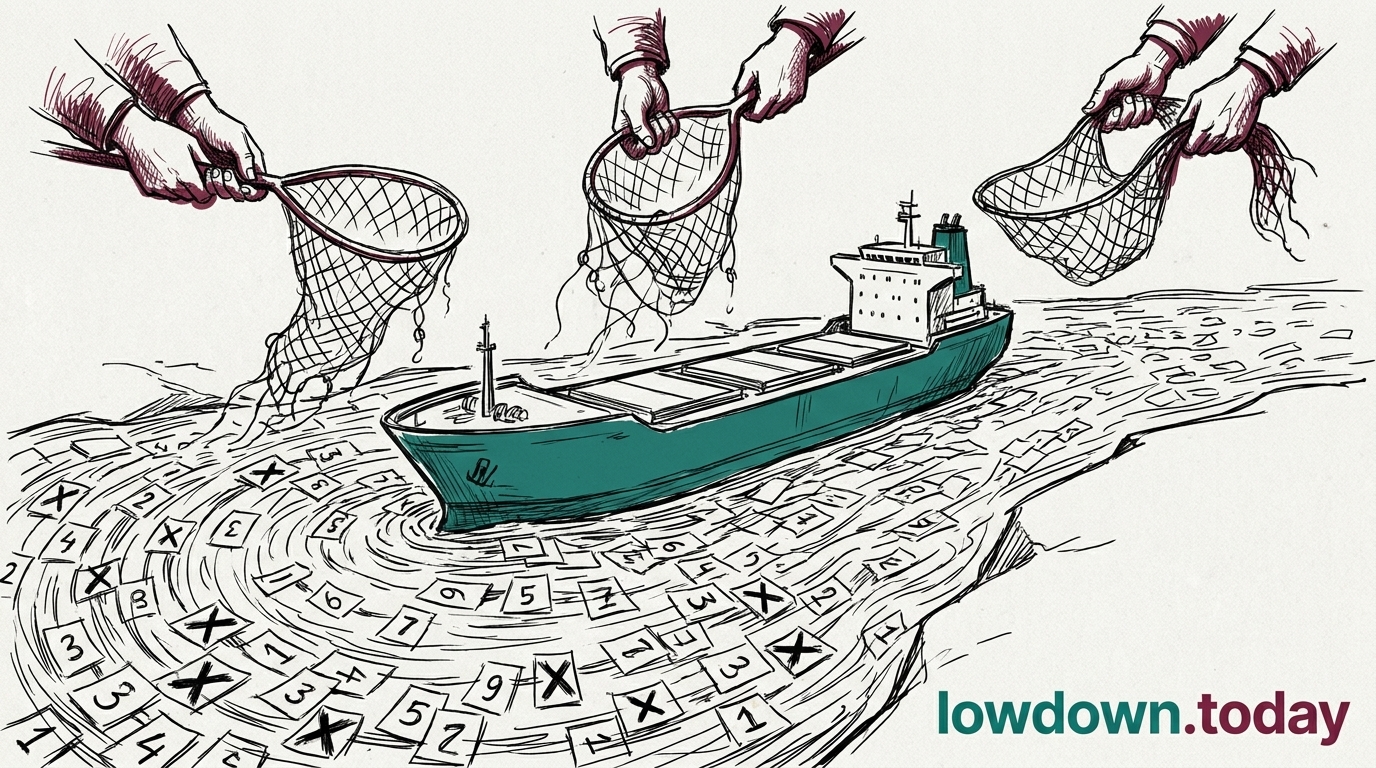
The calendars kept in the two capitals do not match. Paris puts its own expulsion on 18 August and presents it as the opening move. Le Monde reported the French step as retaliation and dated Iran's barring of the diplomats to 17 August, two days before Tehran announced it3. Iranian state wires run the order the other way, with the Iranian action lawful and first and the French one an answer to it. Two first movers now sit in the record with no arbiter between them.
Tehran presents the barring as procedure rather than reprisal. The Ministry of Intelligence made the infiltration allegation public on 15 August, and the barring of the two staff follows the case it opened. A judicial track supplies a rationale that does not require the foreign ministry to respond to anything Paris did, which is precisely the argument the sequencing dispute is about.
Iran pays the same price whichever calendar turns out to be accurate. It has two fewer working channels into a European capital at the point where it most needs European cover against snapback, the United Nations mechanism that restores lapsed sanctions.


