Skip to content
You can now search across every topic, entity and event.What's new
Iran Conflict 2026
31JUL

Treasury drops Turkish and Indian names

2 min read
09:24UTC

The US Treasury removed five Turkish entities, two Turkish individuals and four Indian companies from its Russia sanctions list on 1 July, giving no public reason.

ConflictDeveloping
Key takeaway

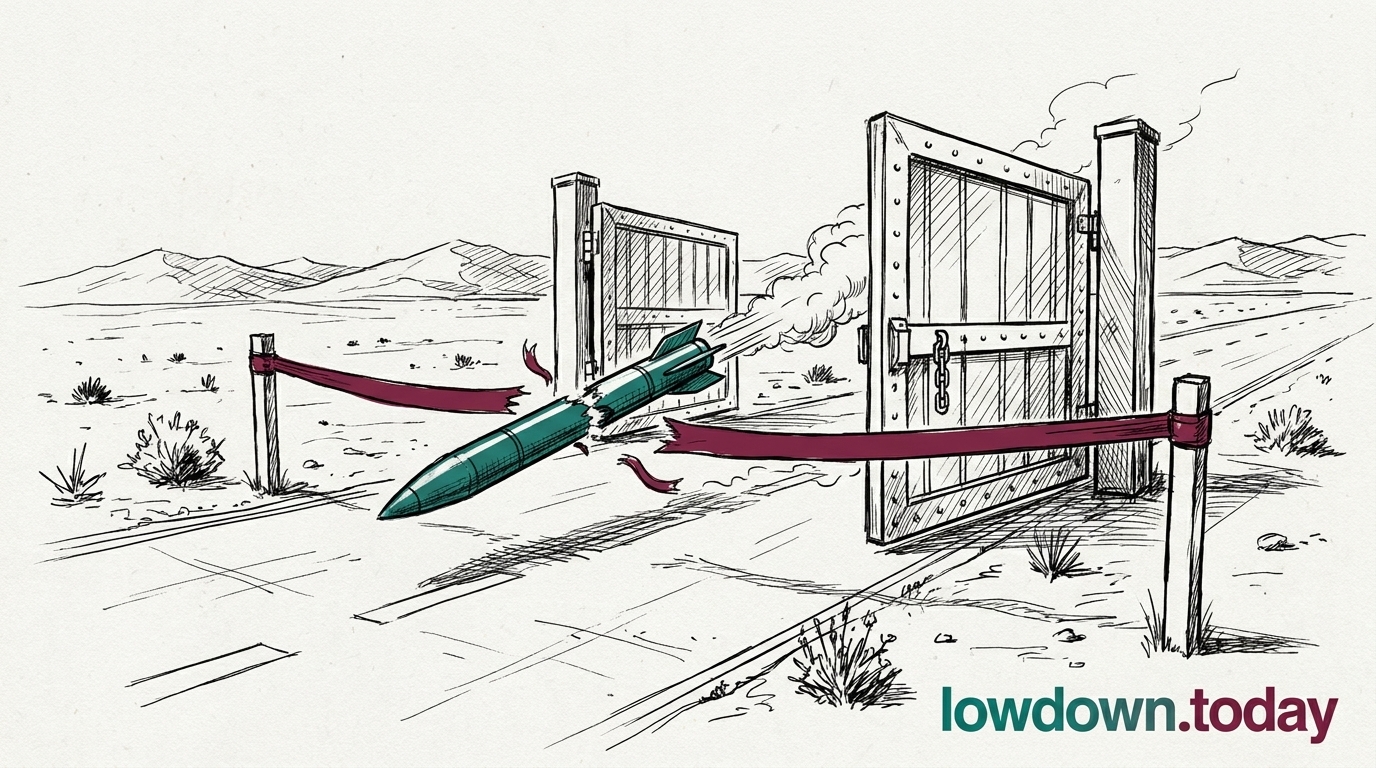
Sanctions relief nobody announces is relief nobody can be pressed to reverse.

The US Treasury removed five Turkish entities, two Turkish individuals and four Indian companies from the Russia sanctions list created by Executive Order 14024 on 1 July, publishing no reason for any of them 1. A comparable tranche had gone through a week earlier, on 24 June, covering seven individuals, two companies and two vessels 2.

No press release accompanied either action. The removals surface only by comparing successive versions of the specially designated nationals list, the register that tells banks, insurers and shipping brokers which counterparties they must refuse. Once a name leaves it, compliance departments worldwide stop blocking that counterparty within days, whatever Washington's stated policy remains.

Turkey and India are the two jurisdictions through which most re-exported Russian crude and dual-use goods have moved since 2022, which makes the choice of names harder to read as routine housekeeping. The delistings also land in weeks when no successor crude licence has been issued after the previous waiver lapsed unrenewed . Sanctions relief usually arrives as a negotiated concession, announced and traded for something. Here the easing is already operative and nobody has claimed credit for granting it, which leaves Kyiv and its European partners without a counterpart to lobby or a decision to contest.


Deep Analysis

In plain English

The US Treasury quietly removed 11 names, 5 Turkish entities, 2 Turkish individuals, and 4 Indian companies, from its Russia sanctions list on 1 July, following the removal of another 11 names (7 individuals, 2 companies and 2 vessels) on 24 June. No public announcement or explanation came with either change; the only way to spot it is by comparing the sanctions list before and after. This matters because it runs opposite to the general pattern of the war, where the US and its allies have mostly been adding names to sanctions lists, not quietly removing them.

First Reported In

Update #24 · Fedorov sacked as the front stands still

Global Sanctions· 19 Jul 2026
Read original
Causes and effects
Different Perspectives
United States
United States
OFAC gazetted two wind-down licences expiring four days apart and adopted a presumption of denial for new Iran sanctions requests, while the State Department separately sanctioned Kataib Hezbollah and Hezbollah financial networks. Washington is closing legal channels on a published calendar rather than all at once.
United Arab Emirates
Crown Prince Sheikh Khaled bin Mohamed bin Zayed Al Nahyan met Iran's president in New Delhi, the first known face-to-face since the war began, weeks after cutting all Emirati trade and financial dealings with Iran. Abu Dhabi is running economic pressure and diplomatic contact at the same time.
Houthis
Houthis
Houthi forces completed the capture of Yemen's Red Sea coast and Mayun island this week, an offensive a Houthi official confirmed alongside Yemeni government officers. The gain locks in the Bab al-Mandeb closure to Saudi crude declared as an embargo on 23 July.
Iran
Iran
Foreign Ministry spokesman Esmail Baghaei credited Iranian diplomacy backed by military strength for pushing neighbours to negotiate, citing the Oman safe-passage talks, while addressing none of the pipeline strike, the Iraqi dismissals or Saudi restraint directly.
Iraq
Iraq
Prime Minister Ali al-Zaidi sacked two Maysan officials, closed and reopened three Iran border crossings inside three days, and approved a joint inquiry with Tehran into the launch site on his own territory. He is managing a militia network he does not fully control rather than confronting it.
Saudi Arabia
Saudi Arabia
Riyadh's Foreign Ministry confirmed the Petroline strike, named no attacker, and said it would hold off retaliating at Iraq's request while reserving the right to act on its own sovereignty. It expects Baghdad's inquiry, not a Saudi strike, to be the next move.



