The European Commission confirmed a €4.12bn AI Gigafactories funding call for July, channelled through EuroHPC JU, the EU's joint supercomputing body, under Council Regulation 2026/1501. AI Gigafactories are large-scale compute facilities for training and running AI models, funded under the €20bn InvestAI facility. Commission EVP Henna Virkkunen said majority owners of the facilities should come from Europe, and high-risk vendors are excluded from the build. The rule draws on the fab-equity authority granted in Chips Act II, but it runs straight into a contradiction the bloc created the same week: no European AI accelerator exists, and the EU has just agreed to buy US silicon. Whether "majority-European ownership" comes to mean European hardware or a European corporate wrapper around Nvidia chips is the question the July call will answer.
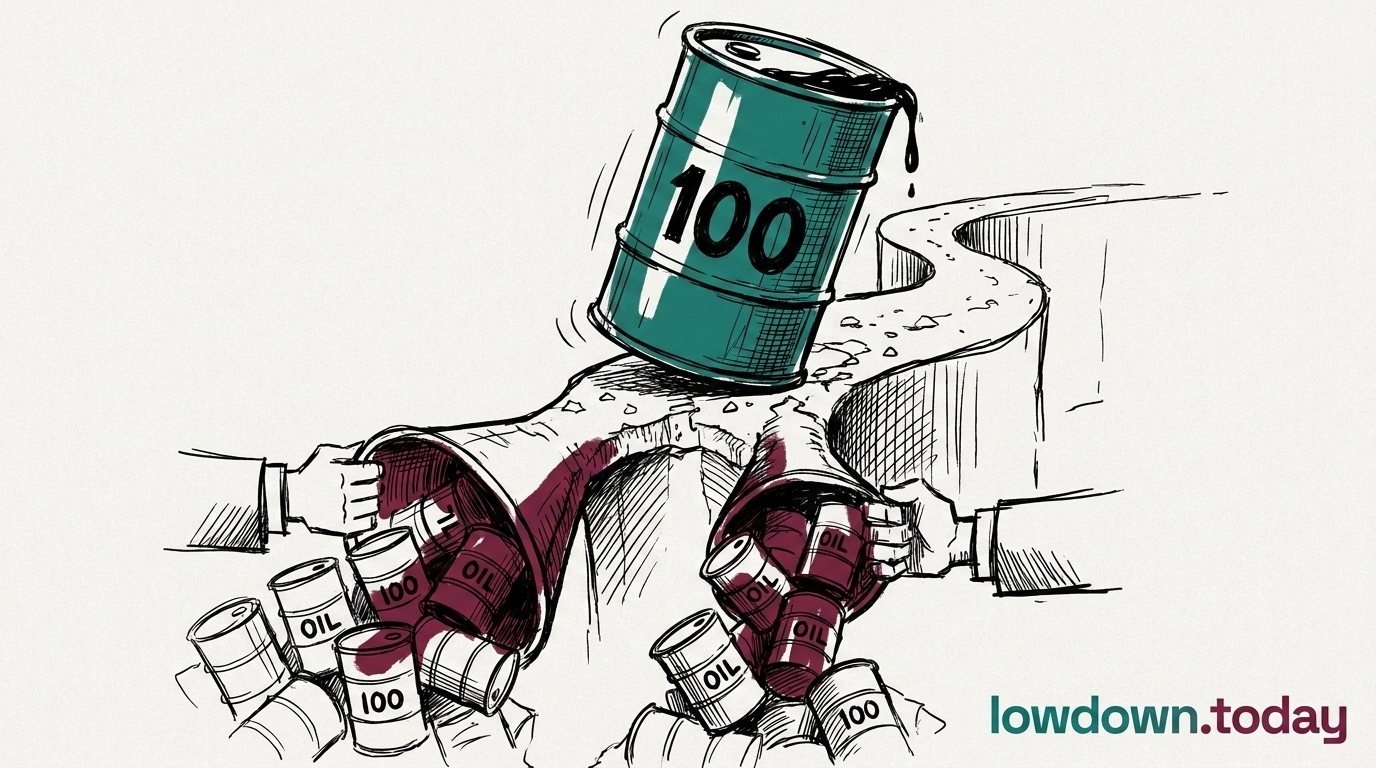
EU confirms €4.12bn AI gigafactory call
The Commission confirmed a €4.12bn AI Gigafactories funding call for July, channelled through EuroHPC JU and requiring majority-European ownership.
The EU's €4.12bn gigafactory call demands European ownership of facilities that will run US chips.
Deep Analysis
AI Gigafactories are large computer facilities designed to train and run AI systems. The EU is putting €4.12 billion into a funding call for July 2026 to build up to five of them across Europe. EuroHPC JU, the EU's joint supercomputing body, manages the call under Council Regulation 2026/150. EVP Henna Virkkunen attached a majority-European-ownership rule to each gigafactory site. Europe does not make the advanced chips those factories need. Every credible AI accelerator (the chips that power AI training) is made by Nvidia or AMD in the US, or by TSMC in Taiwan. So the EU is building a European-owned facility that will be filled with American and Taiwanese hardware. Critics call this a European wrapper on US silicon. Defenders say it is better than nothing: European ownership at least means European data governance and European operating decisions, even if the chips arrive from abroad.
The AI Gigafactories programme faces a circular dependency: the ownership rule requires European majority control, but European control over AI compute requires European AI chips, which do not exist, which is why the programme exists in the first place. the Commission's July call is therefore structurally asking for a European entity to take majority ownership of a facility that will be equipped with US or Taiwanese silicon and managed by operators with no domestic accelerator alternative.
The exclusion of ZTE and Huawei (designated high-risk vendors) addresses the Chinese supply-chain risk but does not resolve the US dependency. An AI Gigafactory majority-owned by a European operator but running Nvidia H200s under a US export-licence framework is operationally dependent on Washington's export-control decisions for its continued functioning.
- Risk
The majority-European-ownership rule creates direct tension with the same week's Pax Silica $40bn US-chip commitment: if the gigafactories buy their AI accelerators under the Pax Silica framework, the beneficial owner of the AI compute pipeline is effectively Washington, regardless of which European entity holds the gigafactory equity.
Medium term · Assessed - Precedent
The July call will be the first test of whether EU state-aid rules permit a majority-ownership condition that effectively mandates EU-incorporated intermediaries for US hardware procurement, establishing a compliance template for future sovereign-compute instruments.
Short term · Reported - Opportunity
For European cloud operators such as OVHcloud and Hetzner, majority-ownership requirements create a procurement channel for AI compute that US hyperscalers cannot access directly, providing a structural competitive advantage in the EU public-sector AI market.
Medium term · Reported
Update #8 · Sovereignty law adopted; $40bn US chip buy


Written with AI from Lowdown's published reporting. Not individually reviewed by an editor. Editorial standards.