Skip to content
Briefings are running a touch slower this week while we rebuild the foundations.See roadmap
Iran Conflict 2026
31MAY

Rial hits 1.7m per dollar, down 43%

2 min read
09:14UTC

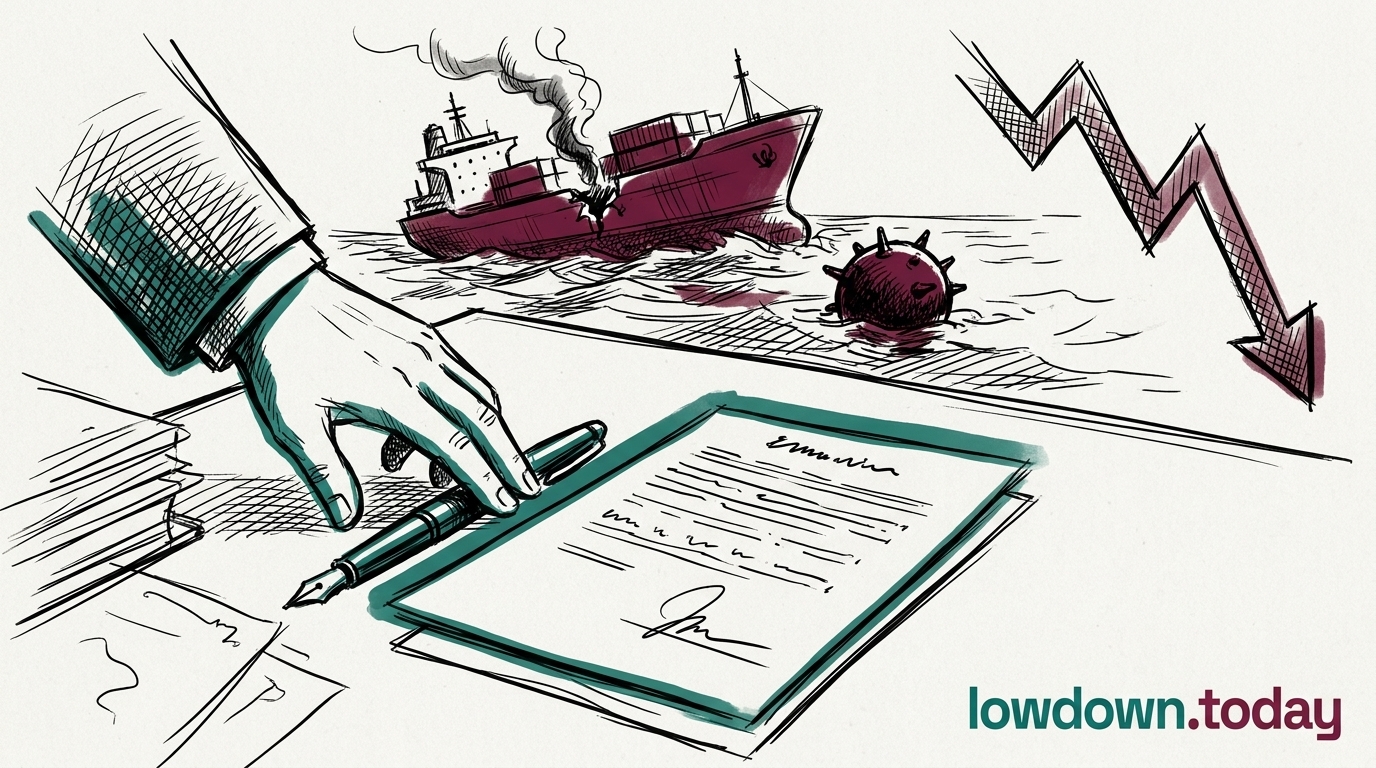
Iran's rial traded at 1,705,000 to the dollar on Sunday 31 May, a 43% devaluation over six months, with the brief deal-optimism rally already unwound.

ConflictDeveloping
Key takeaway

Ordinary Iranians face a 43% currency collapse and rising import costs even as the diplomatic track softened.

Iran's rial traded at 1,705,000 to the dollar on Sunday 31 May, a 43% devaluation over six months 1. The brief rally that deal optimism produced has already unwound, so the softer diplomatic mood has bought ordinary Iranians no lasting relief.

The slide tracks the cumulative weight of OFAC sanctions, including the designation of a port operator on Thursday 28 May , layered on top of wartime trade disruption. OFAC is the US Treasury's Office of Foreign Assets Control, which administers the sanctions that throttle Iran's access to hard currency. For households, a rial worth less each month means imported food and medicine keep climbing in price regardless of what Trump signs or refuses to sign. The squeeze is structural rather than a passing shock, and a signed ceasefire would not reverse it quickly.

Deep Analysis

In plain English

When a currency loses 43% of its value against the dollar in six months, imported goods cost 43% more in local currency terms. For Iranians, that means food items bought with dollars on global markets (wheat, cooking oil, medicine) have become dramatically more expensive. Iran imports a significant share of its pharmaceuticals and wheat. The rial's decline is not primarily caused by the war's oil-price swings; it reflects accumulated sanctions that prevent Iran's government from repatriating oil revenues earned in foreign currencies. Iran earns dollars selling oil to China and others, but cannot convert or access those revenues freely because of OFAC designations. The result is a currency that falls not because trade stops but because the earnings from trade are frozen abroad.

What could happen next?
  • Consequence

    Pharmaceutical import costs are the most acute humanitarian pressure; at 1.705m/USD, European API suppliers pricing in euros have effectively priced out Iranian public-sector procurement.

  • Risk

    A deal that reopens Hormuz but leaves OFAC's PGSA designation in place will not arrest the rial's decline, because the primary driver is sanctions on revenue repatriation, not the physical blockade.

First Reported In

Update #113 · Trump signs nothing as a Hellfire hits a hull

Alanchand· 31 May 2026
Read original
Different Perspectives
Iran human rights monitors (Amnesty International, Iran HRM, Hengaw)
Monitors documented 30 women held on capital moharebeh charges in a basement prison ward, Benyamin Naqdi's death sentence with a forced-confession broadcast, and 39 political executions since February. Iran's security courts have processed protest cases at uninterrupted wartime tempo regardless of the diplomatic track.
Lloyd's of London (war-risk underwriters)
Lloyd's held its Hormuz war-risk designation at $10-14 million per voyage while Brent fell 19%, maintaining a structural divergence from futures pricing. Underwriters require a UN Security Council resolution or government certification letter, not diplomatic optimism, before de-listing the strait.
Oman (Sultan Haitham's government)
Muscat issued a mine alert in its own territorial waters while denying any Hormuz toll plan after US Treasury threatened sanctions. A suspected mine in Omani waters on the same weekend as US financial pressure forces Muscat to demonstrate sovereignty without appearing to choose sides.
China (PRC)
China (PRC)
Beijing sent scholars rather than its defence minister to Shangri-La for the second year running and addressed Taiwan and multilateralism without mentioning Iran. China maintains its bilateral energy corridor protection with Tehran while refusing the diplomatic exposure of a public position at multilateral forums.
Iran Supreme National Security Council
The SNSC framed the unsigned MOU as a 10-point Iranian victory with enrichment already recognised, and the foreign ministry rejected Trump's nuclear conditions within hours. Tehran treats each unsigned day as validation that Iran has retained its stockpile without surrendering it.
Trump administration (CENTCOM/White House)
Trump posted three non-negotiable public conditions while CENTCOM disabled a commercial ship and Hegseth threatened resumed strikes from Singapore. The administration treats the unsigned MOU as leverage to extract maximum Iranian concessions before any ceasefire instrument is committed to paper.