Skip to content
You can now search across every topic, entity and event.What's new
Iran Conflict 2026
30MAY

Rial hits 1.7m per dollar, down 43%

2 min read
10:17UTC

Iran's rial traded at 1,705,000 to the dollar on Sunday 31 May, a 43% devaluation over six months, with the brief deal-optimism rally already unwound.

ConflictDeveloping
Key takeaway

Ordinary Iranians face a 43% currency collapse and rising import costs even as the diplomatic track softened.

Iran's rial traded at 1,705,000 to the dollar on Sunday 31 May, a 43% devaluation over six months 1. The brief rally that deal optimism produced has already unwound, so the softer diplomatic mood has bought ordinary Iranians no lasting relief.

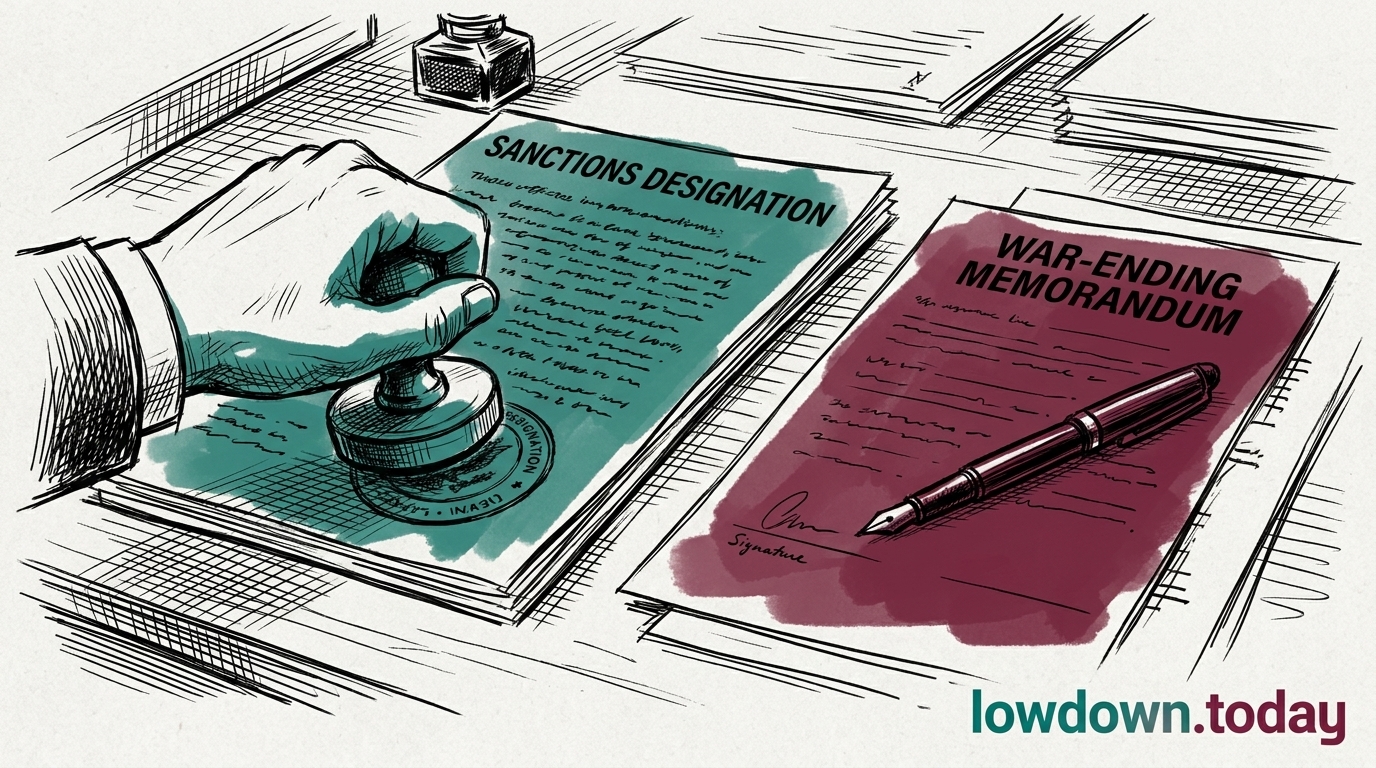
The slide tracks the cumulative weight of OFAC sanctions, including the designation of a port operator on Thursday 28 May , layered on top of wartime trade disruption. OFAC is the US Treasury's Office of Foreign Assets Control, which administers the sanctions that throttle Iran's access to hard currency. For households, a rial worth less each month means imported food and medicine keep climbing in price regardless of what Trump signs or refuses to sign. The squeeze is structural rather than a passing shock, and a signed ceasefire would not reverse it quickly.

Deep Analysis

In plain English

When a currency loses 43% of its value against the dollar in six months, imported goods cost 43% more in local currency terms. For Iranians, that means food items bought with dollars on global markets (wheat, cooking oil, medicine) have become dramatically more expensive. Iran imports a significant share of its pharmaceuticals and wheat. The rial's decline is not primarily caused by the war's oil-price swings; it reflects accumulated sanctions that prevent Iran's government from repatriating oil revenues earned in foreign currencies. Iran earns dollars selling oil to China and others, but cannot convert or access those revenues freely because of OFAC designations. The result is a currency that falls not because trade stops but because the earnings from trade are frozen abroad.

What could happen next?
  • Consequence

    Pharmaceutical import costs are the most acute humanitarian pressure; at 1.705m/USD, European API suppliers pricing in euros have effectively priced out Iranian public-sector procurement.

  • Risk

    A deal that reopens Hormuz but leaves OFAC's PGSA designation in place will not arrest the rial's decline, because the primary driver is sanctions on revenue repatriation, not the physical blockade.

First Reported In

Update #113 · Trump signs nothing as a Hellfire hits a hull

Alanchand· 31 May 2026
Read original
Different Perspectives
Oil market and P&I insurers
Brent cleared $87 intraday only once CENTCOM's blockade became physical rather than declared, even though P&I Clubs had already excluded Hormuz war risk a week earlier on 7 July: capital hedged ahead of enforcement, but prices moved only after it.
UAE reporting
UAE reporting
UAE reporting placed the Omani tanker deaths at one seafarer against the International Maritime Agency's count of two, the first time in this war that a Gulf state's casualty figures have diverged from an international monitor's.
Jordan
Jordan
Iranian strikes reached Jordan again on 14 July as part of the Gulf-wide retaliation for the Hormuz blockade, extending the conflict's geographic footprint to a state with no direct stake in the strait itself.
Bahrain
Bahrain
Bahrain sounded air-raid sirens on 14 July during Iran's Gulf-wide retaliation, the same day CENTCOM's blockade order and fourth night of strikes pushed the conflict's physical reach into the wider Gulf littoral.
Kuwait
Kuwait
Kuwait intercepted Iranian missiles and drones on 14 July as Tehran's blockade retaliation reached Gulf states beyond Iran's immediate shoreline, confirming Kuwaiti airspace now sits inside Iran's retaliatory envelope.
Oman
Oman
Oman absorbed the war's first tanker casualties in its own waters on 14 July, with two supertankers disabled and seafarers killed, putting the sultanate's shipping lanes directly in the path of the blockade fight for the first time.