Skip to content
Briefings are running a touch slower this week while we rebuild the foundations.See roadmap
Iran Conflict 2026
22MAY

IAEA: 441kg enriched uranium untracked

2 min read
11:08UTC

The UN nuclear watchdog disclosed that 440 kg of weapons-grade-threshold uranium has been unverified for eight months, with movement detected near stockpile sites.

ConflictDeveloping
Key takeaway

The enriched uranium is unaccounted for; the "degraded programme" narrative is incomplete.

IAEA Director General Rafael Grossi told CBS Face the Nation on 22 March that Iran possessed 440.9 kg of uranium enriched to 60% U-235 according to pre-strike inspection records. At 60% enrichment, that is enough fissile material for approximately seven nuclear weapons if further enriched to weapons-grade 90%. 1

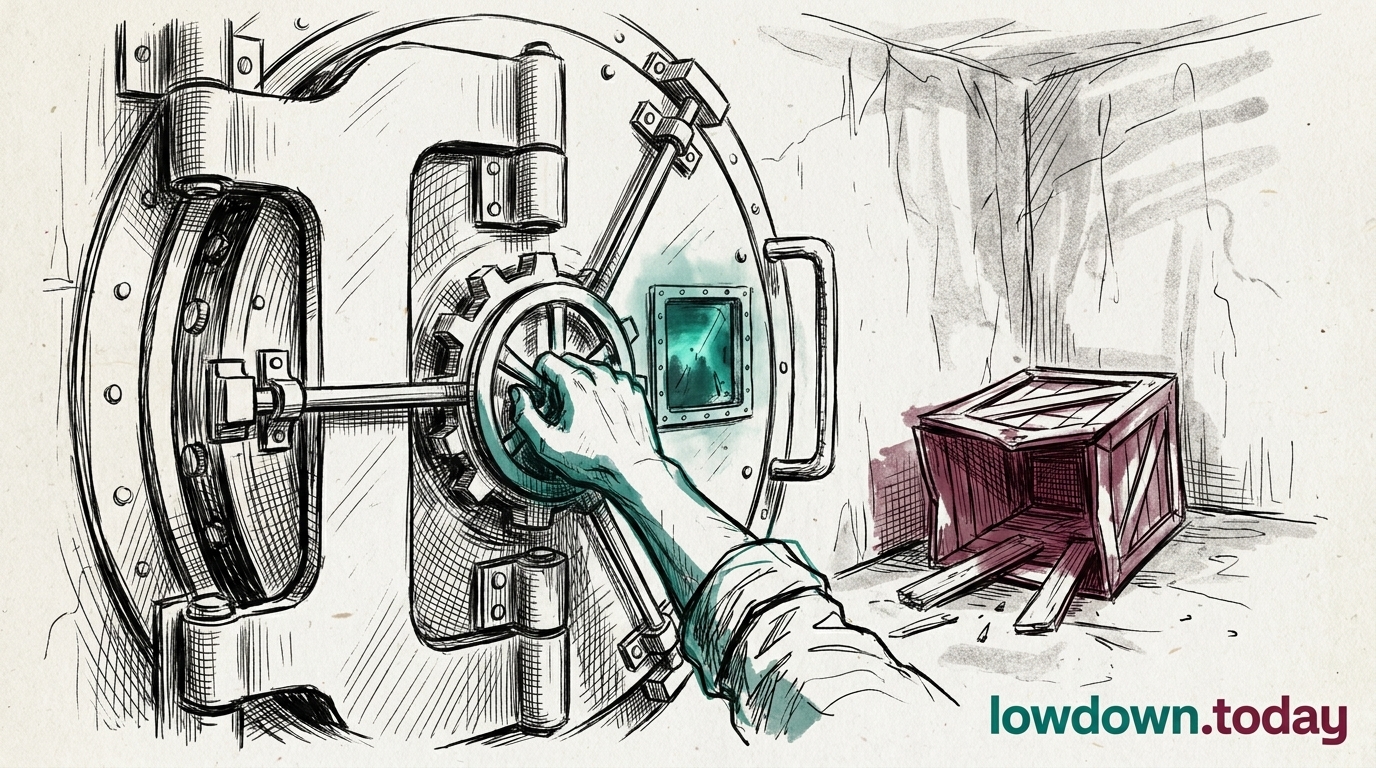
Inspectors have had no access to previously declared inventories for more than eight months. Iran suspended cooperation with the IAEA and restricted inspectors from bombed sites. The agency detected "movement near stockpile sites" but cannot verify what has moved or where. Most of the stockpile is believed buried in tunnels at Isfahan.

Grossi put it plainly: "You cannot unlearn what you've learned." Iran retains the scientific and industrial base to rebuild. Netanyahu had claimed Iran can no longer enrich uranium , but the IAEA disclosed that same week that Iran has a new underground enrichment facility at Isfahan, its fourth, with inspectors denied access. The centrifuge infrastructure may be degraded. The enriched material itself is a separate question, and it remains unanswered.

Deep Analysis

In plain English

Before the war began, UN weapons inspectors had confirmed Iran held 440 kilograms of uranium enriched to 60% purity. To make a nuclear weapon you need uranium enriched to about 90%. At 60%, Iran's stockpile is not yet weapons-ready, but it is close: further enrichment would take weeks on available centrifuges. The problem is that inspectors have not been allowed to verify where this stockpile is for over eight months. The bombs and airstrikes have been aimed at enrichment machines and production facilities. The actual uranium material is something different. The IAEA, the UN body that tracks this, detected movement near storage sites but cannot say what moved or where it went. The public narrative is that US and Israeli strikes have set back Iran's nuclear programme. That may be true for the factories and machines. The 440 kilograms of already-processed uranium is a separate, unanswered question.

Deep Analysis
Root Causes

Iran's exclusion of IAEA inspectors began before the war, under the Joint Comprehensive Plan of Action breakdown from 2019 onward. By the time strikes began in February 2026, inspection access was already limited to declared sites. The war provided cover for restricting it further, but the verification gap predates the conflict.

The physical concealment is a separate driver. Iran's deep-tunnelling programme at Isfahan, Fordow, and Natanz was explicitly designed to move enriched material beyond the reach of bunker-busting munitions. The fourth underground facility disclosed by the IAEA in March 2026 suggests the dispersal architecture was built years in advance of the conflict.

What could happen next?
  • Risk

    If the 440 kg stockpile has been dispersed to undeclared sites, no future ceasefire agreement can verifiably denuclearise Iran without renewed IAEA access that Iran's five conditions make unlikely.

  • Consequence

    The 'degraded programme' narrative underpins domestic US public support for the war; the stockpile uncertainty undermines the achievement claim.

First Reported In

Update #50 · Houthis join; Iran holds two chokepoints

IAEA / CBS News· 28 Mar 2026
Read original
Different Perspectives
Islamabad (Pakistan Armed Forces and Foreign Ministry)
Munir's cancellation reflects Islamabad's assessment that no bridging formula survives the collision of Khamenei's uranium directive, Rubio's Hormuz red line, and the sequencing gap simultaneously; Naqvi's relay role signals continued Pakistani engagement without a mandate to close any of the three gaps.
Lloyd's of London war-risk market
Published PGSA coordinates give underwriters the cartographic input to model tanker route exposure inside the claimed zone; OFAC's Sunday GL V ruling determines whether Hengli-Singapore dollar-clearing routes carry secondary-sanctions risk from Monday, adding a compliance layer to the existing kinetic war-risk premium.
Hengaw Human Rights Organisation
Zaleh's trial lasted 'only a few minutes' before a conviction on PDKI membership charges at Naqadeh; the pattern of solitary detention, coerced confession, and minutes-long hearing is consistent with wartime political-charge architecture the organisation has documented across the Kurdish northwest.
Gulf Arab states (UAE, Bahrain, Kuwait)
The UAE has not published counter-coordinates to the PGSA's Hormuz zone map, leaving Emirati silence as the maritime-law response to Iran's charted boundary claim. Abu Dhabi's published position now defaults by omission toward implied acceptance of the zone's cartographic fact.
Beijing's Ministry of Commerce
MOFCOM's blocking order covers Hengli and four other designated refineries on the mainland but does not extend to the dollar-clearing layer in Singapore, making Sunday's GL V expiry the first live test of whether Beijing's sanctions-defiance architecture reaches the place where dollars settle.
The White House
The White House
Trump's verbal track on Iran has produced no signed Iran-specific presidential instrument across 84 days; both financial-sector EOs signed on 19 May are unrelated to Hormuz or the IRGC. Rubio's public naming of the Hormuz toll architecture as a deal-killer is the administration's most concrete new position this week.