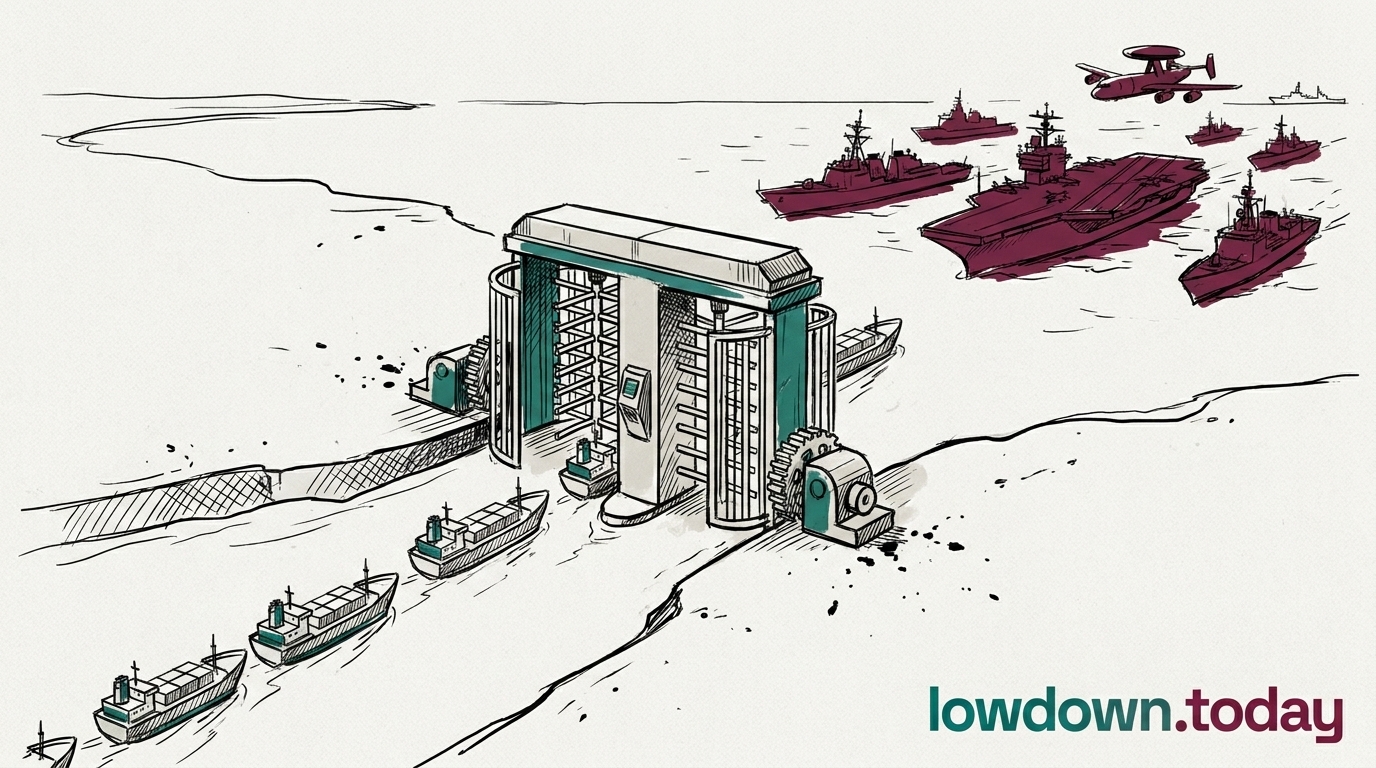
The College of Commissioners adopted the Cloud and AI Development Act (CADA) on Wednesday 3 June, referenced IP/26/1187, after three earlier adoption dates slipped 1. CADA is a public-procurement sovereignty law: it sets tiers for how EU public bodies buy cloud and AI services, and reserves the strictest tier, which excludes providers under foreign jurisdiction, for a narrow set of workloads. The Act now enters trilogue, the negotiation between the Commission, the European Parliament and the Council that produces the final text.
The adopted scope is FAR narrower than the version that leaked on 7 May, which would have barred US hyperscalers from all public-sector financial, judicial and health data. The final text limits the top tier to national security, defence, law enforcement and border management2. Law firm Wilson Sonsini reads the obligations as also catching sectors under NIS2, the EU's network-security framework, including energy, healthcare and digital infrastructure, which would pull the practical reach wider than the headline workloads3.
Commission President Ursula von der Leyen framed the doctrine by saying CADA keeps "most of our market open to like-minded partners"4. That line is the seam in European policy this week: sovereignty where the continent has alternatives, openness where it depends. The same institutions that adopted CADA cleared a $40bn US-chip commitment the same afternoon, and Chips Act II with its new fab-equity authority went through in the same package. Germany's automotive tariff exposure in the EU-US trade talks had drained the appetite for a broad CADA, and the same leverage that forced the three slips shaped what survived into the adopted text.


