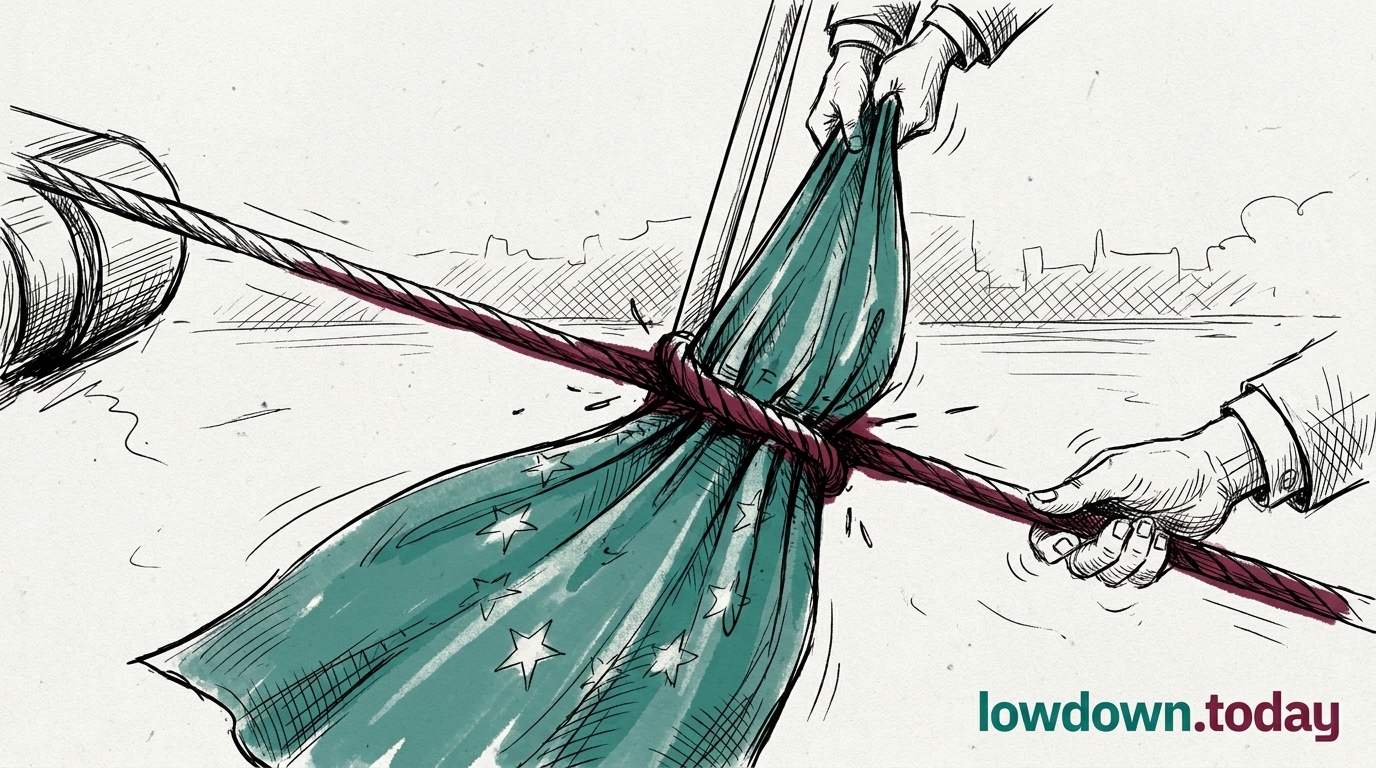
The European Parliament's Economic and Monetary Affairs Committee (ECON) approved the Digital Euro's legal framework by 43 votes to 14, with one abstention, on 23 June, then sent the bill straight into trilogue, the closed-door stage where Parliament, Council and Commission settle a final text. ECON is the committee that holds jurisdiction over EU monetary policy, and the Digital Euro is central-bank money the European Central Bank (ECB) would issue directly to the public in digital form.
The offline version borrows cash's one advantage over cards: two phones settle a payment with no bank in between, and the ECB cannot see what was bought. Balances are capped to stop deposits draining out of commercial banks, the currency pays no interest, and every merchant that already accepts cards must take it. First issuance is pencilled for 2029, with a payment-service-provider pilot from the second half of 2027.
Brussels could move here because the payment rails need no American supplier. The euro had been the one sovereignty instrument holding its published calendar; the committee vote now puts it ahead of schedule, even as the ECB's promised June shortlist of payment providers slipped to July.
Negotiators enter trilogue still divided over the per-wallet holding limit, the number that decides whether the currency is spendable or whether it bleeds commercial-bank deposits. Set it too high and households could move large balances into central-bank money, starving the deposits banks lend against; set it too low and nobody could use it for daily spending. The offline, non-interest-bearing design answers the deposit-flight objection that stalled this file for three years, by making the wallet behave like cash rather than a deposit account.





