Skip to content
You can now search across every topic, entity and event.What's new
European Oil Markets
29MAY

Pakistan Hormuz deal: 40 ships of 2,000

2 min read
14:36UTC

Islamabad secured passage for 20 more vessels, but the deal covers a fraction of the queue and preserves Iran's legal claim over the strait.

EconomicDeveloping
Key takeaway

Pakistan's Hormuz deal reinforces Iran's sovereignty claim while covering under 2% of stranded vessels.

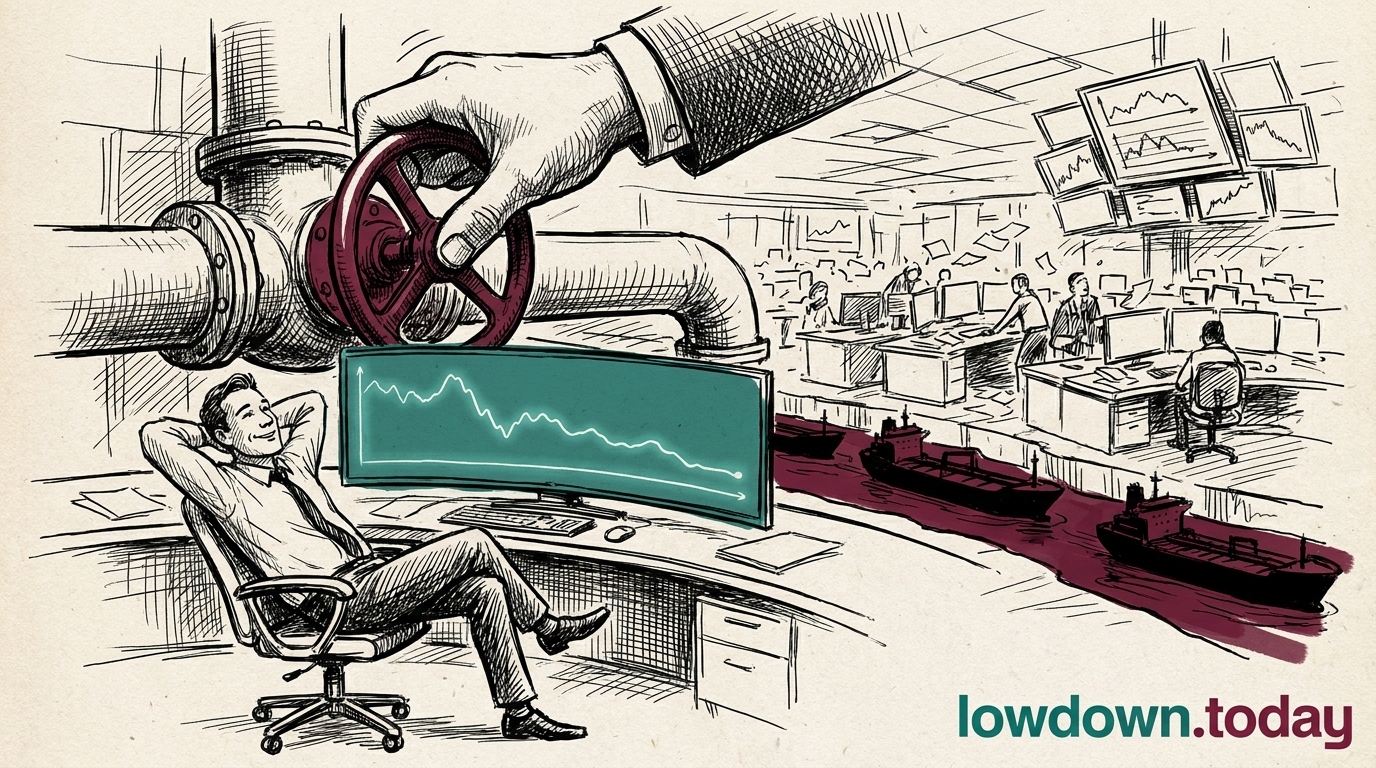
Pakistan secured a second bilateral deal with Iran: 20 more vessels at two per day, bringing the total to approximately 40 Pakistani-flagged ships 1. Iran's state media framed it as a bilateral arrangement, not a concession on Hormuz sovereignty. Against approximately 2,000 stranded ships , 40 vessels represents less than 2% of the queue.

Prime Minister Shehbaz Sharif held what Pakistani officials described as "extensive discussions" with Iranian President Masoud Pezeshkian. Finance Minister Ishaq Dar called the deal a "harbinger of peace." It is not. Every bilateral deal reinforces Tehran's leverage by demonstrating that Hormuz passage now flows from Iranian permission, not international law. Each agreement concedes the premise that Iran controls the strait .

Deep Analysis

In plain English

The Strait of Hormuz has about 2,000 ships stuck waiting to pass through. Pakistan negotiated a deal to get 40 of its own ships through, two per day. That is less than 2% of the queue. The deal is significant not for the ships it moves but for what it implies: Pakistan accepted that Iran's permission is required to transit an international waterway. International law says Iran has no right to charge that toll or require that permission. Every bilateral deal like this one makes it slightly harder to argue that Iran is violating international law, because sovereign states are effectively recognising Iran's authority by asking for its approval.

First Reported In

Update #51 · Iran hits aluminium plants; Hormuz emptying

PressTV· 29 Mar 2026
Read original
Different Perspectives
Greek shipping registries
Flag states dominating the tanker fleet await the EU's 15 July cap-freeze vote. A formula unlock toward $75 would loosen the ceiling squeezing insurance and crewing costs on their registered hulls.
US money managers
US money managers
NYMEX WTI managed-money net long fell 23% to +64,041 in the week to 7 July, trimming length into the rally on doubt the Hormuz premium survives without freight or war-risk confirmation.
European refiners (ARA)
ARA refiners are capturing an $80/bbl US diesel crack as Russian gasoil loadings collapsed to 234kbd before Novak's 31 July export ban even bites, widening the arbitrage straight into refining margins.
OPEC+
OPEC+
The seven-member group confirmed a fourth consecutive 188kbd August hike on 5 July, defending market share even though Saudi Arabia's $108-111/bbl breakeven means every added barrel costs Riyadh revenue it cannot recoup.
Indian refiners
Indian refiners
Refiners kept lifting discounted Urals as the India/Baltic split widened past $9-10 a barrel on 7 July. A wider Urals-Brent gap means cheaper feedstock locked in against Baltic buyers.
Russia
Russia
Urals traded $48.95-55.12 on 12-13 July, below Moscow's $59 budget floor even as Brent gained $6. Oil and gas fund roughly 30% of federal revenue, and Novak's diesel export ban is rationing a shrinking export base.
