Skip to content
You can now search across every topic, entity and event.What's new
European Energy Markets
10JUL

Where the 2027 Russian-gas repricing sits

2 min read
10:05UTC

ACER's report maps 45 to 55 bcm a year of authorised Russian contracts still flowing into named importers, with the full LNG and pipeline ban deferred to November 2027.

EconomicDeveloping
Key takeaway

The 2027 bite is 45 to 55 bcm of authorised contracts rolling off, concentrated in named importers.

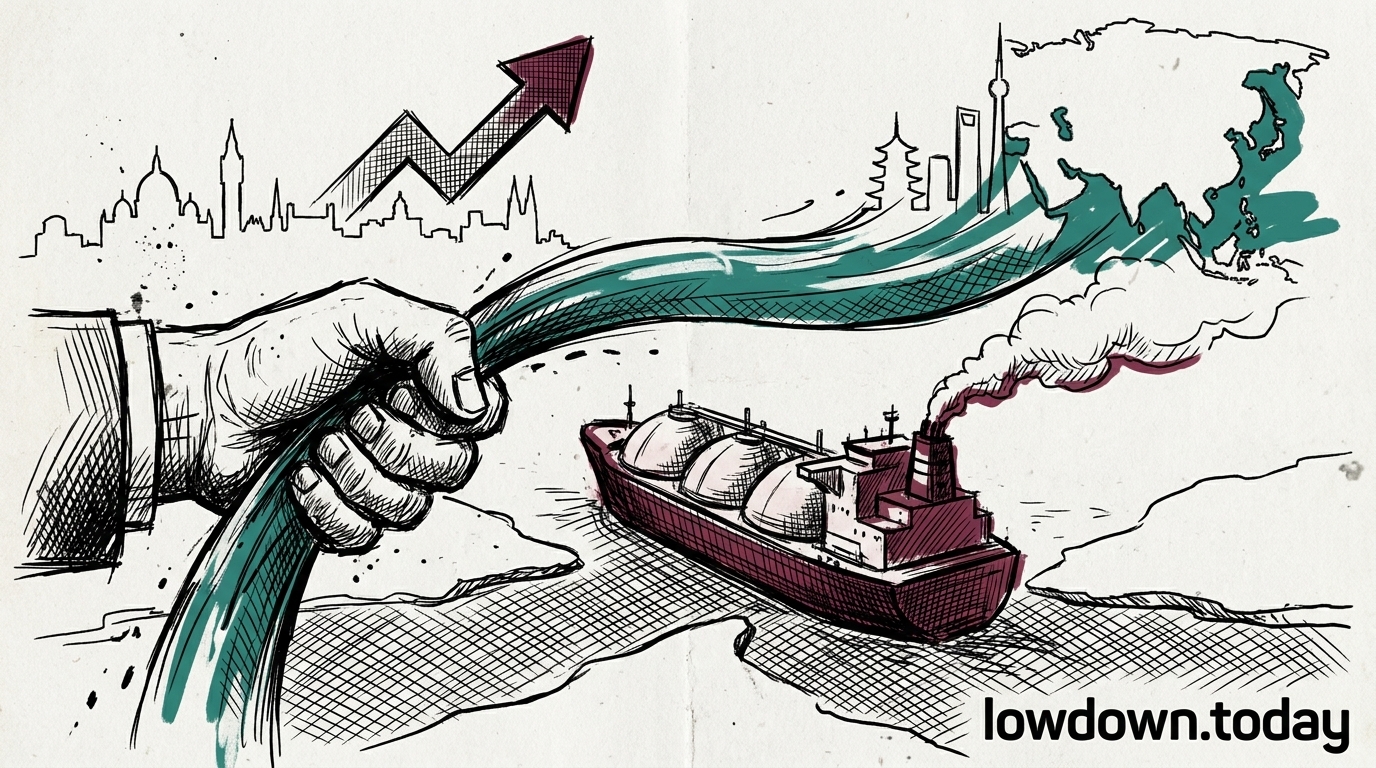
ACER's monitoring report maps 45 to 55 bcm a year of authorised long-term Russian contracts still running, and it names where they land. Pipeline deliveries of 16 to 26 bcm a year continue into Hungary, Slovakia and Greece; LNG cargoes of 20 to 32 bcm a year come ashore in Spain, France, Belgium and the Netherlands. The full LNG and pipeline bans take effect only in November 2027.

These are the deals the March short-term ban never touched. Regulation (EU) 2026/261 grandfathered long-term contracts and six origins to keep the pipeline-dependent members onside , so the volume that actually matters was always going to survive to the full cutoff. The mid-June step-down faded within a day for the same reason: the contracts carrying the bulk of the gas were never in its scope.

For a desk pricing forward risk, the map turns a vague policy worry into a sized, dated catalyst. The repricing concentrates in a handful of named importers rather than spreading across the whole curve, and it sits roughly eighteen months out. Frontloading now pulls volumes forward, so the physical tightening in 2027 may bite faster than a straight-line contract run-off would imply.


Deep Analysis

In plain English

Even though the EU's gas ban started in March, ACER's new report shows a big chunk of Russian gas deliveries are protected until November 2027. That's because some buyers, including Hungary, Slovakia, Spain and France, signed long-term contracts years ago that the ban was written to leave alone. Think of it like a mobile phone contract: you can't just cancel it early without a penalty. The EU chose not to force early cancellation, so those contracts simply run until they expire naturally in under 18 months.

Deep Analysis
Root Causes

The exempted volumes sit inside contracts signed years before Regulation (EU) 2026/261 existed, most carrying take-or-pay clauses that impose penalty payments on the buyer for early termination. Overriding those contracts legislatively, rather than simply banning new ones, would expose the EU to compensation claims from counterparties in Hungary, Slovakia, Spain and elsewhere.

That legal cost, not political will, is why the ban's architects chose a long runway to November 2027 instead of an immediate cutoff: the contracts expire on their own commercial terms by then, avoiding a termination dispute entirely.

What could happen next?
  • Risk

    Forward gas curves for Hungarian, Slovak and Greek pipeline delivery and Iberian, French and Benelux LNG delivery in winter 2027-28 do not yet price a coordinated supply step-change.

First Reported In

Update #23 · The EU's own regulator says the ban isn't biting

ACER· 3 Jul 2026
Read original
Causes and effects
This Event
Where the 2027 Russian-gas repricing sits
The report gives desks pricing forward Russian-gas risk a named, sized trigger: 45 to 55 bcm of authorised contracts rolling off in 2027, not a diffuse policy fear.
Different Perspectives
EU carbon and storage regulators
EUA carbon broke EUR 81/tonne on 13 July as the ETS Market Stability Reserve's scheduled withdrawals met fresh fuel-switching demand from France's nuclear curtailment. Brussels' mandatory storage-fill rule kept German and French injection running regardless of the TTF swings, the mechanism working as designed four years after the 2022 shock.
Equinor
Equinor
Equinor returned its Asgard field from maintenance on 11 July, lifting Gassco's exit nominations to 319.8 mcm/day just as TTF round-tripped on Hormuz risk. The restart gave Norway spare pipeline capacity to help Europe absorb the gas rally without drawing down storage, reinforcing its role as the post-2022 swing supplier.
Germany
Germany
Germany briefly became the cheaper leg of the FR-DE spread on 12 July as French reactors went offline, while its own storage injection tripled to 723 GWh on 11 July under the EU's mandatory fill rule. Berlin's CCGT fleet absorbed the extra load at a time when EUA's climb past EUR 81 is raising its own marginal cost too.
EDF
EDF
EDF took Chooz, Golfech and Bugey fully offline on 12 July under river-cooling discharge limits, then secured a temperature exemption for Bugey to 20 July rather than wait for the rivers to cool. The government's willingness to relax the environmental ceiling shows French grid security now outweighs the permit breach when reactor hardware itself is undamaged.
Storage and injection-pace desk
EU storage sat at 51.1% on 8 July, still running below the pace needed for an 80% November target, and the JKM-TTF Asia premium of roughly USD 1.4-2.4/MMBtu was already pulling marginal cargoes east before Qatar's withdrawal compounded the gap. October's top-up remains the binding constraint, not this week's price level.
EDF / France
EDF / France
EDF added Chooz to its heat-curtailment watch list as a precaution against the second heat dome peaking 9-14 July, alongside standing warnings at Blayais, Bugey, Golfech and Saint-Alban. No output cut has been confirmed at any site as of 10 July.
