Skip to content
You can now search across every topic, entity and event.What's new
European Energy Markets
8JUN

Berlin's 9 GW auctions await Brussels

2 min read
12:01UTC

Bundesnetzagentur's own auction page, last revised 10 July, says the European Commission has not granted state-aid approval for Germany's 9 GW capacity programme.

EconomicDeveloping
Key takeaway

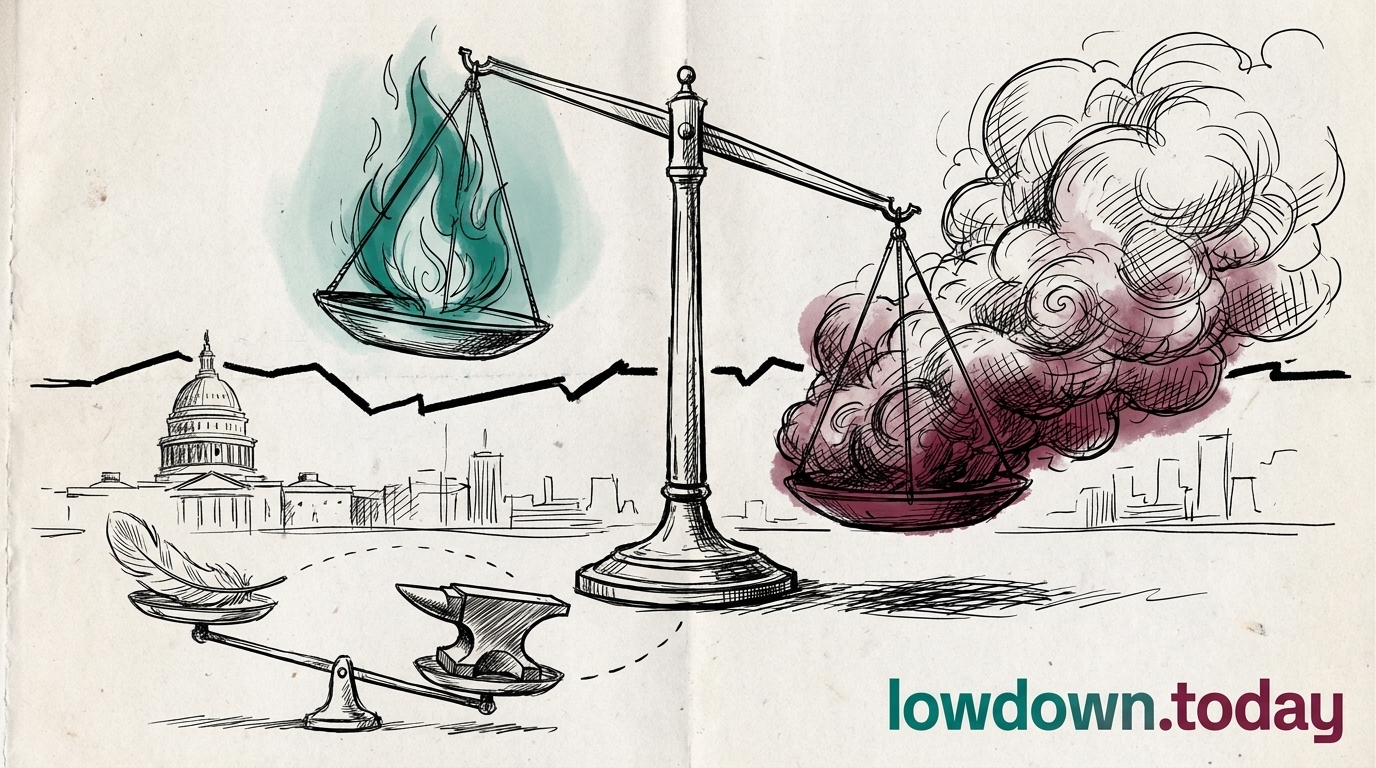
Germany's 9 GW capacity auctions still lack the EU state-aid clearance they legally need before paying anyone.

Bundesnetzagentur, Germany's federal network regulator, states on its own StromVKG auction page, last revised 10 July, that European Commission state-aid approval for the capacity auctions has not been granted 1. The 2026 programme runs 9 GW across two auctions of 4.5 GW each 2.

StromVKG, the German capacity-payment law, passed on 9 July with a 41% higher bid ceiling and a new locational split . Capacity payments compensate generators for being available rather than for output, and because they route public money to private plant they require clearance from Brussels before they can lawfully pay anybody. That clearance sits with The Commission, which decides on its own timetable rather than Berlin's.

The desk has carried the autumn auction date as settled since the law cleared parliament. The regulator now says on the record that the authorisation underneath it has not arrived, which is a different position from the one the market has been trading. No outlet appears to have picked this up, and the statement sits in plain sight on the page that publishes the auction terms.

The desk is withholding Bundesnetzagentur's bid-deadline dates this week. The secondary trackers contradict the primary page, and one extracted set of dates predates the law's own 9 July passage, which is a good enough reason to trust none of them until Bundesnetzagentur restates the calendar itself.


Deep Analysis

In plain English

Germany passed a law called StromVKG that pays gas power plant owners to keep their plants ready to run, even on days when running them would lose money, so the country has backup power when renewables fall short. Because this is a government payment to private companies, EU competition rules require the European Commission in Brussels to approve it first, to make sure it does not unfairly favour German companies over rivals elsewhere in Europe. Germany's regulator is publishing auction dates for the first EUR-denominated payments, worth 9 gigawatts of capacity split across two 4.5 gigawatt auctions, but as of 10 July that Brussels approval had not yet come through.

Deep Analysis
Root Causes

StromVKG is designed to pay gas-plant operators a capacity floor for staying available even when running is uneconomical, which under EU competition law counts as state aid and requires European Commission clearance before it can lawfully operate. That approval process runs on Brussels' own timetable, independent of Germany's domestic legislative calendar.

Bundesnetzagentur administers the auction mechanically once the law is passed, publishing bid deadlines as a matter of statutory process, but it does not control when the Commission signs off. The result is a structural mismatch: the national auction track and the EU approval track can run at different speeds, and nothing in the domestic process stops the auction page from advancing regardless.

What could happen next?
  • Risk

    If Brussels has not cleared the scheme by the first bid deadline, operators who submit bids could see them invalidated or delayed pending state-aid approval, undermining the certainty the capacity payments are meant to provide.

  • Consequence

    A prolonged state-aid review would extend the period in which Germany's gas fleet lacks a confirmed capacity-payment backstop, precisely when clean spark spreads are already inverting on days like 20 July.

First Reported In

Update #28 · Hormuz premium inverts the German spark spread

Bundesnetzagentur· 20 Jul 2026
Read original
Different Perspectives
French industrial power consumers
France's day-ahead discount to Germany has nearly closed as TTF and EUA rise together on both sides of the border, eroding the arbitrage French industry relied on through the summer. A standing negative spark removes the German demand buffer that kept that spread wide.
TTF trading desks
TTF trading desks
Desks are reading the inversion as an injection-arbitrage trade: buy TTF at EUR 62.4/MWh now, accept the near-term loss on the spread, and sell into the winter strip once caverns are forced back into the market. The 0.8 GWh/day German print makes that trade increasingly asymmetric.
Oxford Institute for Energy Studies
Two straight sessions of negative clean spark spread confirm gas has stopped setting German power prices cleanly; CCGT dispatch now follows the spread's sign, not storage need. Caverns quitting the prompt bid on 21 July is that mechanism working exactly as the structural read predicts.
European Commission
European Commission
State-aid approval for StromVKG has not been granted, a status Bundesnetzagentur's own scheme page confirms, and Brussels was not consulted before the auction opened. Every award from the 8 September deadline stays exposed to a formal proceeding or clawback once the Commission rules.
Bundesnetzagentur
Bundesnetzagentur
Bundesnetzagentur opened the first 4.5 GW StromVKG capacity auction on 21 July, bids due 8 September, without waiting for EU state-aid clearance. Berlin is treating Germany's 24% share of EU storage as urgent enough to move first on capacity and negotiate the state-aid question with Brussels afterwards.
Marine insurers and AIS trackers covering Hormuz
AIS data shows severe curtailment on 20 July, 479 vessels anchored, 36 dark, 123 still broadcasting inside the strait, not the closure the IRGC claims. War-risk premiums move on the unresolved CENTCOM-IRGC contest itself, since underwriters price the dispute as much as the count.
