Skip to content
Welcome, thoughtbot's Giant Robots listeners!Start here
Data Centres: Boom and Backlash
8SEP

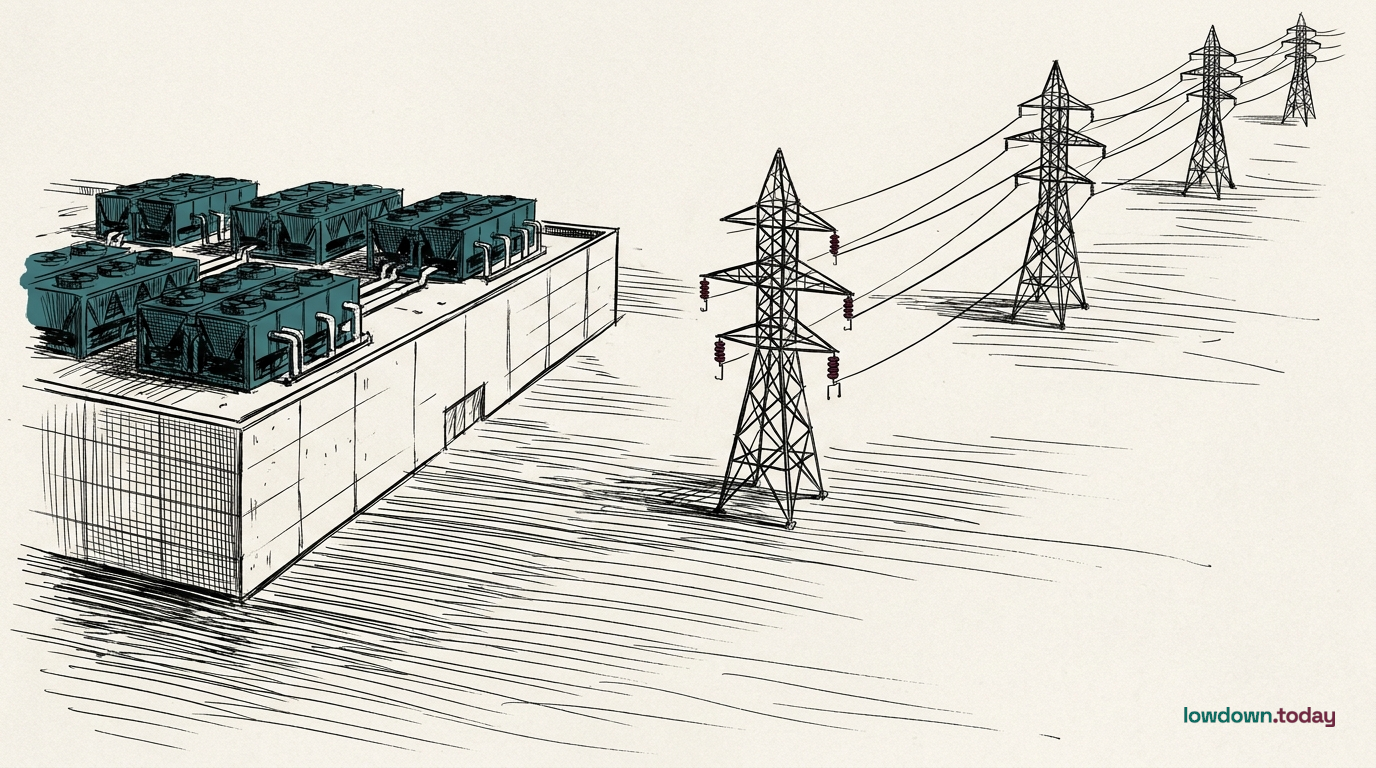
Ontario would make data centres pay

1 min read
13:06UTC

Ontario opened consultation on 13 August on a Data Centre Playbook proposing full energy-cost recovery from sites above 1 MW, with no cash incentives.

IndustryDeveloping
Key takeaway

Ontario proposes full energy-cost recovery from data centres above 1 MW, with no cash incentives.

Ontario opened consultation on its Data Centre Playbook on 13 August, proposing full energy-cost recovery from data centres drawing more than 1 MW, with no cash incentives⁠1. Full cost recovery means the connecting customer carries the cost its connection puts on the system instead of spreading it across other bill payers.

No cash incentive is on the table, which sets Ontario apart from the jurisdictions competing for these projects with subsidy. A 1 MW threshold is low enough to catch a mid-sized colocation hall as well as a campus. Gujarat went the other way in early August, notifying a subsidised data centre policy conditioned on green power. The playbook is a consultation document rather than a rule, and on its own terms it would govern applications not yet made rather than a queue that has already formed.

Deep Analysis

In plain English

When a new data centre connects to the grid, someone has to pay for the extra power lines and equipment that connection needs. Ontario is proposing that data centres pay that full cost themselves, rather than spreading it across everyone else's electricity bills the way large industrial connections often have been funded in the past.

Deep Analysis
Root Causes

Ontario's electricity system has spent large sums extending transmission to serve new large loads in the past, and recovered that cost from the general rate base rather than the connecting customer, spreading it across all ratepayers.

Proposing full cost recovery for data centres reverses that allocation specifically for loads above 1 MW, on the reasoning that a small number of very large, discretionary connections should not be subsidised by residential and small-business bill payers who see none of the benefit.

First Reported In

Update #14 · Brazil bill ties tax break to a water cap

CBC News· 8 Sept 2026
Read original →
Different Perspectives
Mohsen Rezaei
Mohsen Rezaei
The senior Iranian security official and former IRGC commander told Press TV that US-linked technology infrastructure in the region could become a target if war resumes. He named the UAE and valued the assets at more than US$2 trillion, without a breakdown.
Mykhailo Shelemba
Mykhailo Shelemba
Datagroup's chief executive says the Kyiv data centre hit on the night of 18 to 19 October is beyond repair. Services continue from backup sites, and no staff were hurt.
Kristen Umstattd
Kristen Umstattd
The Loudoun supervisor voted against fast-tracking Amazon's rezoning of the Ashburn campus. She said there were no figures yet on homes, school or road costs.
Akishima residents' litigation group
The group formed on 18 October and plans to sue Nihon GLP by year-end to stop eight data-centre buildings. Its lawyers will argue rights to life, health, clean water and a natural environment after mediation failed in August.
Óscar López
Óscar López
Spain's Digital Transformation minister said on 22 October he could not confirm when the data-centre decree will be approved. He added that Google has always committed to investing in Spain.
Google
Google
Google said it would comply with LVV's order to stop preparatory works at Muhos and Kajaani until environmental assessments finish. A spokesperson conceded the company had fallen short.

Written with AI from Lowdown's published reporting. Not individually reviewed by an editor. Editorial standards.

