Skip to content
Welcome, thoughtbot's Giant Robots listeners!Start here
Cuba Dispatch
4JUN

OFAC hits Cuba's trade bank and traders

3 min read
11:38UTC

OFAC designated Banco Exterior de Cuba and four fuel, mining and nickel traders on 3 September, plus one named individual, and issued General Licence 4A the same day.

PoliticsDeveloping
Key takeaway

OFAC designated Cuba's foreign-trade bank and the traders that move its nickel out and fuel in.

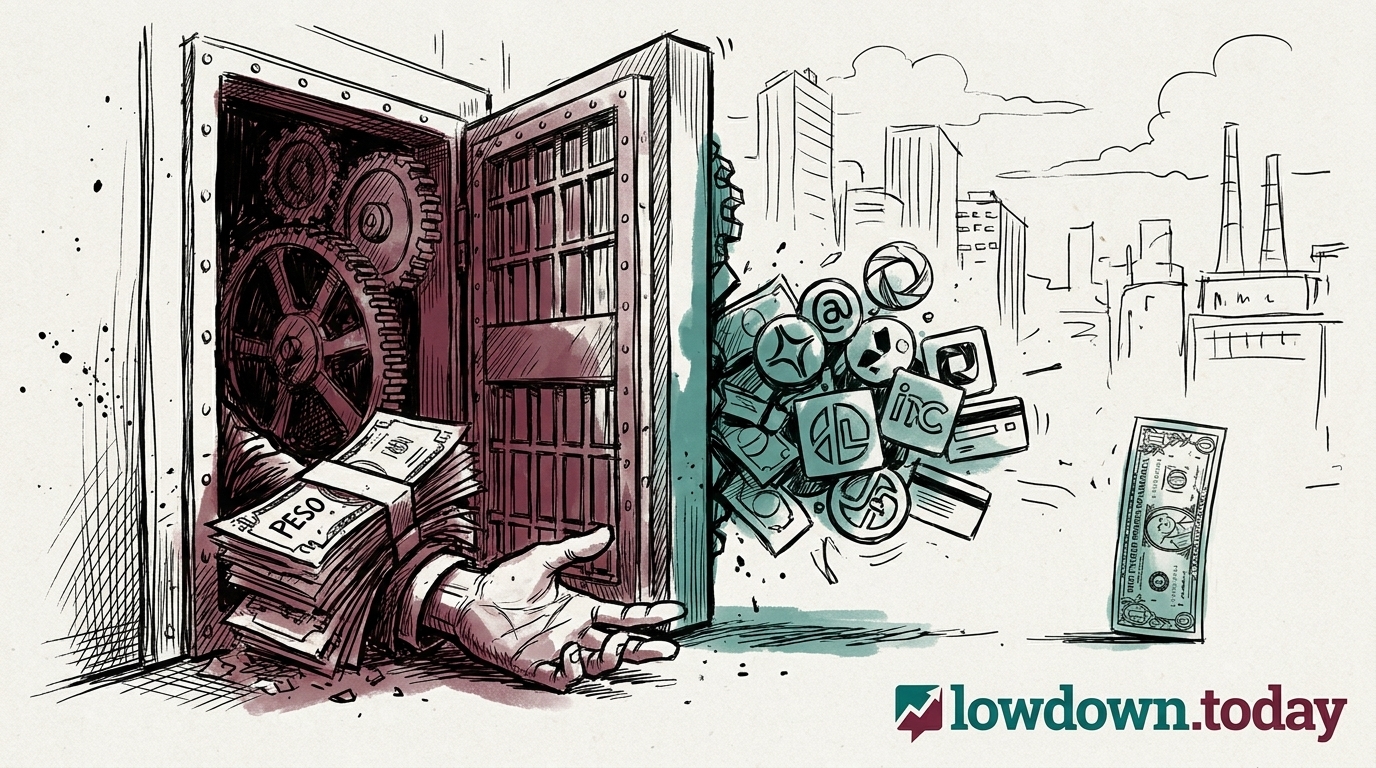
The US Treasury's Office of Foreign Assets Control (OFAC) designated Banco Exterior de Cuba, the state's foreign-trade bank, on 3 September, along with Comercial Cupet S.A. in fuel wholesale, Nicarotec in mining services, Abapet in petroleum equipment imports and Cexni in nickel trade, plus one named individual, Fidel Ernesto Castro Calis, born 16 May 1995⁠1. Comercial Cupet is a separate legal person from CUPET, the state oil company designated in June. The same notice issued General Licence 4A, refining the carve-out that lets third-country embassies in Cuba keep transacting⁠2.

OFAC's own entry says only that Castro Calis is "Linked To" Alejandro Castro Espín, which is the standard cross-reference tag the agency applies to any associate. The State Department's press statement the same day goes further and calls him a grandson of Raúl Castro⁠3. That family claim is Washington's characterisation. Lowdown has no independent confirmation of it and does not report it as established.

The 3 September names close a sequence that has worked outward from where Cuban money is kept to where goods are made, and then to whoever sells them. Banks and ports came first between May and July, the arms industry on 6 August, construction and the nickel monopoly on 20 August, and now the intermediaries that move nickel out and fuel in. President Miguel Díaz-Canel was designated personally on 4 June. In practice a Cuban nickel cargo now has no state trading house a foreign buyer can safely pay through, which is a harder constraint than blocking the mine itself.

Banco Exterior de Cuba finances Cuban foreign trade, so its designation reaches the credit behind imports rather than any single cargo. A buyer that wanted to keep trading would need a bank outside the blocked structure and a counterparty that is not on the list, and this notice removes one of each on the same day. Havana's answer, repeated since June, is that measures of this kind reach Cubans on state wages rather than the leadership.

Deep Analysis

In plain English

OFAC's latest round hit Cuba's state foreign-trade bank, four companies that handle nickel, fuel and mining supplies, and one individual, Fidel Ernesto Castro Calis, born in 1995. US officials have called him a grandson of Raúl Castro. OFAC's own notice does not say that; it states only that he is linked to Alejandro Castro Espín, a separate figure in the Castro family network. The two claims are not the same thing, and only the second is confirmed by the sanctioning document itself. General Licence 4A, issued the same day, is a narrow permission slip: it lets foreign embassies in Havana keep paying bills and staff despite the wider sanctions around them.

Deep Analysis
Root Causes

Cuba has long split trading and export functions into separate legal entities specifically to firewall the parent company from correspondent-bank blacklisting. Comercial Cupet S.A. exists as a distinct legal person from CUPET, the parent oil monopoly designated on 11 June, for exactly this reason.

That structure now works against Havana: each shell becomes a fresh target rather than a closed loophole, and General Licence 4A's same-day embassy carve-out shows Washington narrowing pressure everywhere except the diplomatic channel it still needs open.

First Reported In

Update #14 · Havana makes the hiring middleman optional

US Department of State· 8 Sept 2026
Read original →
Different Perspectives
UN General Assembly
UN General Assembly
The Assembly passed last year's resolution against the US embargo by 165 votes to 7, with 12 abstentions, and votes again on 28 October. That count is the baseline against which Havana's lobbying claims and Washington's pressure will be measured.
Mexican Navy (Secretaría de Marina)
A Mexican Navy team inspected Grace at Progreso and found fuel in its ballast tanks, according to the US Coast Guard. The account of Mexico's role comes from Washington; the Mexican government's own position on the stop is not on record in the sources reviewed.
Pedro Monreal, independent Cuban economist
Monreal says the gazette contains no rule for the exchange-house licence ADT 64 received, so nobody knows how a second firm could apply. He says a representative rate would need at least ten houses in five provinces, Havana included.
Prisoners Defenders and OCDH (Madrid-based exile monitors)
Prisoners Defenders counted a record 1,351 political prisoners at the end of September, and OCDH logged at least 344 repressive actions that month. OCDH asked the European Union on 11 September to investigate possible trafficking in Cuba's medical brigade in Italy.
Florida Attorney General James Uthmeier
Uthmeier announced a no-bond state warrant for Raúl Castro on 19 October over the 1996 Brothers to the Rescue shootdown, after reopening the state investigation last year. The four men killed flew for a Miami exile group, and the warrant restricts Castro's travel rather than reaching him in Cuba.
Cuban government (Foreign Minister Bruno Rodríguez Parrilla)
Rodríguez said on 21 October that Washington is pressing governments to abstain or leave the hall in the 28 October UN vote and called Florida's Raúl Castro warrant worthless. Havana is presenting its October oil and trade rules as openings and the US measures as an energy blockade.

Written with AI from Lowdown's published reporting. Not individually reviewed by an editor. Editorial standards.
