Skip to content
Briefings are running a touch slower this week while we rebuild the foundations.See roadmap
Artemis II Moon Mission
2APR

Orion locks re-entry corridor with overnight burn

2 min read
11:46UTC

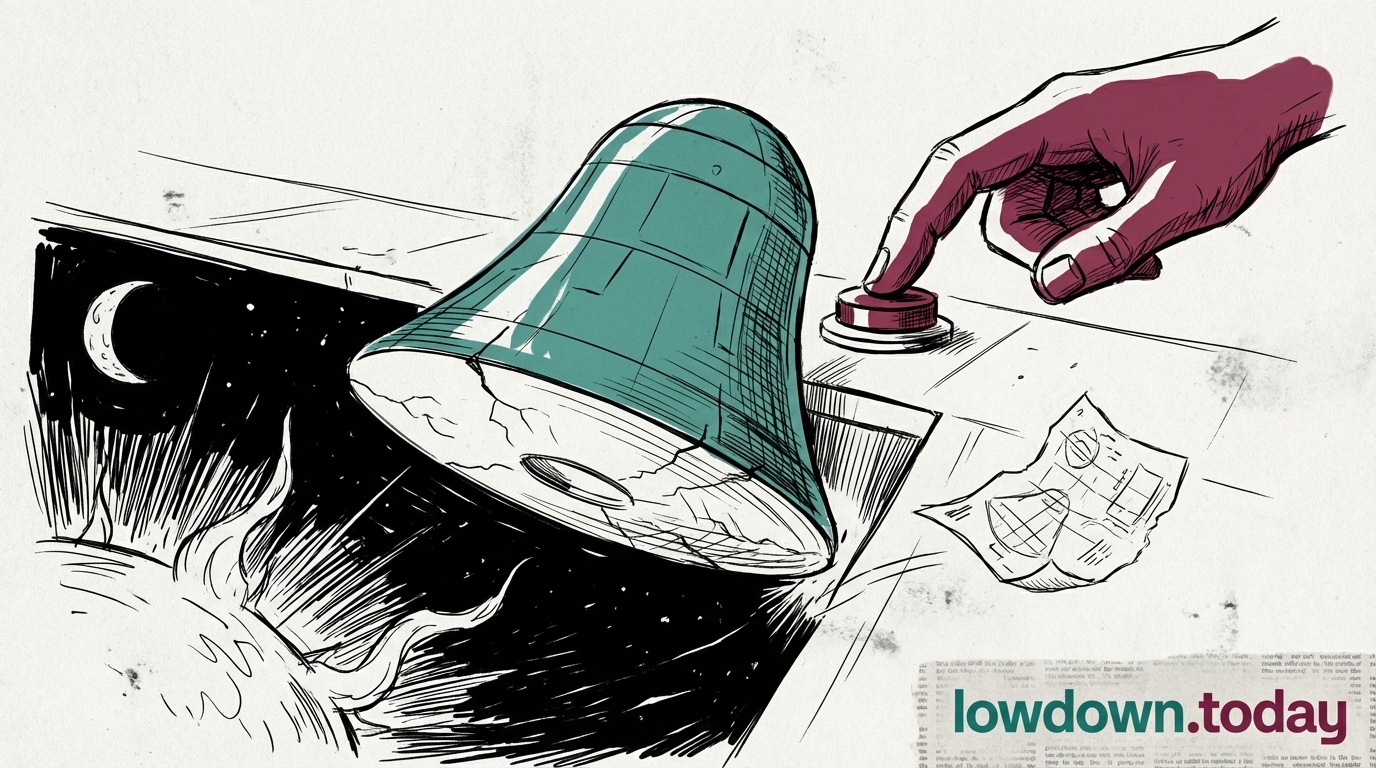
A nine-second burn in the early hours of 10 April fixed Orion's trajectory for splashdown, eliminating corridor uncertainty ahead of a 13-minute atmospheric passage.

ScienceDeveloping
Key takeaway

Orion's entry path is fixed; splashdown sequence begins on schedule.

The 5.3 fps velocity change is small in absolute terms but critical in precision: entry corridor margins at lunar-return velocities are measured in fractions of a degree. A corridor too steep risks excessive g-loading; too shallow risks skipping off the atmosphere.

With RTC-2 locked, the trajectory is functionally final unless RTC-3 is commanded. Orion began its return from the lunar sphere of influence and NASA fired an earlier correction burn to set the baseline; RTC-2 closes that sequence.

Deep Analysis

In plain English

Think of it like adjusting a dart throw inches from the board. The burn is tiny but the result matters enormously: it determines whether the capsule hits the atmosphere at exactly the right angle tonight.

Deep Analysis
Root Causes

The need for a two-burn trajectory correction sequence on the return leg; RTC-1 and RTC-2, with RTC-3 held in reserve; traces directly to the 25%-longer-than-planned third outbound burn on 5 April , which consumed additional propellant and introduced a baseline velocity offset that required subsequent trimming.

Lunar return trajectories are sensitive enough that perturbations from solar radiation pressure and the Moon's uneven gravitational field accumulate meaningfully across the three-day transit, making mid-course corrections standard practice regardless of the outbound anomaly.

What could happen next?
  • Consequence

    Entry geometry is now fixed; trajectory is nominal for 8:07 PM EDT splashdown.

First Reported In

Update #8 · Thirteen minutes on a shield NASA already replaced

NASA· 10 Apr 2026
Read original
Different Perspectives
JAXA
JAXA
JAXA is an Artemis Accords signatory with the Lunar Cruiser rover planned for south-pole surface operations; Chang'e 7's first-arrival timeline compresses the window those surface systems were designed to operate in alongside American crew.
Space Research Institute RAS / Roscosmos
The LILEM instrument on Chang'e 7 gives Russia science-cooperation presence at Shackleton's rim with no independent crewed lunar capability on a public timeline. This is Roscosmos's only confirmed path to south-pole science in the current decade.
CNSA / China Manned Space Agency
Chang'e 7 at Wenchang confirmed a second-half 2026 launch for Shackleton rim, 18 to 24 months before any American crewed arrival. The mission carries a Russian LILEM instrument, giving Roscosmos a south-pole science foothold inside China's programme.
Jeremy Hansen / Canadian Space Agency
Hansen appeared at the 16 April JSC press conference in his only public moment since splashdown. Canada's Canadarm3 remains without a confirmed deployment host after Gateway cancellation, with CSA maintaining institutional silence on the programme's status.
Airbus Defence and Space
Airbus has issued no post-mission ESM performance statement; its press room returned a 404 error on a 14 April check. The only named Airbus engineer quote on the mission appeared in a Nature interview, not a company release.
Daniel Neuenschwander / European Space Agency
ESA's 11 April statement praised ESM translunar injection precision and omitted the pressurisation valve anomaly; the June 2026 Council is the sole stated review forum. ESM-3 is at KSC without a corrected-baseline disclosure to justify its readiness.