Skip to content
Briefings are running a touch slower this week while we rebuild the foundations.See roadmap
Artemis II Moon Mission
2APR

NASA Cancels SLS Upgrades and Delays First Landing

2 min read
11:46UTC

Administrator Isaacman cut the Block 1B and Block 2 variants in February, pushing the first crewed lunar landing to Artemis IV in 2028.

ScienceDeveloping
Key takeaway

SLS is now a five-mission bridge technology being phased out by the agency that operates it.

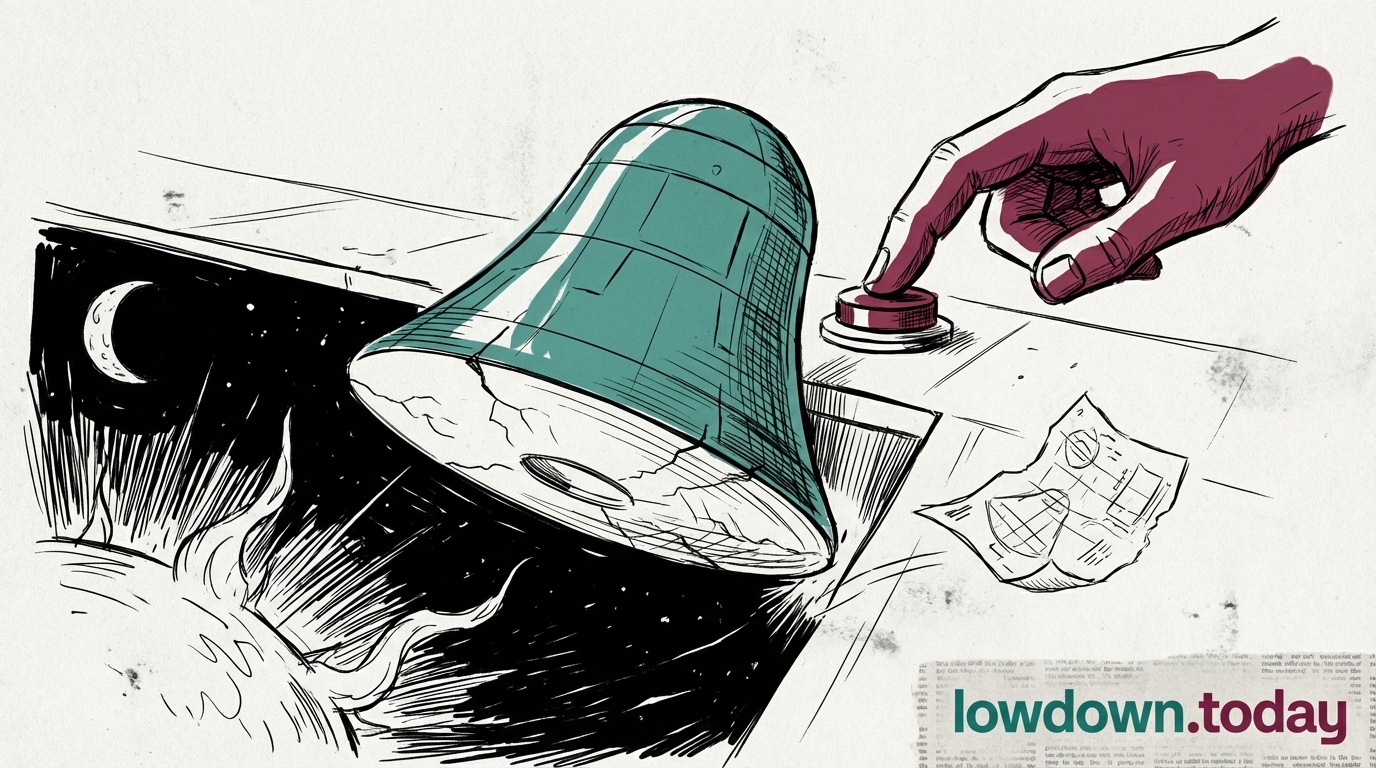
On 26 February 2026, NASA Administrator Jared Isaacman cancelled the Block 1B and Block 2 upgrades to the Space Launch System, standardising the programme on the current Block 1 configuration 1. These were the variants designed to carry crew and cargo to the Moon simultaneously. Years of development spending on them is now written off.

Artemis III, originally planned as the first crewed lunar landing since 1972, has been redesignated as a low Earth orbit lander test 2. The first potential crewed landing now falls to Artemis IV, targeting 2028. The programme has slipped five to seven years from its original projections.

The restructuring narrows SLS to a five-mission bridge. After Artemis V, NASA plans to transition to commercial vehicles. The rocket Congress mandated and funded is being phased out by the agency flying it.


Deep Analysis

In plain English

The SLS rocket that launched yesterday was built to a standard version. There were plans to build more powerful upgraded versions for future, more ambitious missions. NASA has now cancelled those upgrades. This means the same basic rocket that flew yesterday will fly the next four missions, and then NASA plans to retire it in favour of commercial rockets from private companies. The mission that was supposed to land humans on the Moon has been downgraded to a test in orbit near Earth. The actual landing is now planned for the mission after that, in 2028 at the earliest.

Deep Analysis
Root Causes

Block 1B was designed to fly the co-manifest configuration, carrying both crew and cargo to the Moon simultaneously. The requirement drove a more powerful upper stage and structural modifications that added cost without improving Block 1 performance on the crew-only missions that comprise most of the Artemis manifest.

The cancellation reflects the Isaacman administration's preference for a commercial-centric architecture in which the SLS serves as a bridge rather than a permanent system. This preference is consistent with Isaacman's background as founder of Shift4 Payments and a SpaceX crew mission commander, but it creates a structural question: the commercial vehicles intended to replace SLS have not yet been selected or qualified for crewed lunar missions.

First Reported In

Update #1 · Artemis II Commits to the Moon With Three Open Questions

SpaceNews· 2 Apr 2026
Read original
Different Perspectives
JAXA
JAXA
JAXA is an Artemis Accords signatory with the Lunar Cruiser rover planned for south-pole surface operations; Chang'e 7's first-arrival timeline compresses the window those surface systems were designed to operate in alongside American crew.
Space Research Institute RAS / Roscosmos
The LILEM instrument on Chang'e 7 gives Russia science-cooperation presence at Shackleton's rim with no independent crewed lunar capability on a public timeline. This is Roscosmos's only confirmed path to south-pole science in the current decade.
CNSA / China Manned Space Agency
Chang'e 7 at Wenchang confirmed a second-half 2026 launch for Shackleton rim, 18 to 24 months before any American crewed arrival. The mission carries a Russian LILEM instrument, giving Roscosmos a south-pole science foothold inside China's programme.
Jeremy Hansen / Canadian Space Agency
Hansen appeared at the 16 April JSC press conference in his only public moment since splashdown. Canada's Canadarm3 remains without a confirmed deployment host after Gateway cancellation, with CSA maintaining institutional silence on the programme's status.
Airbus Defence and Space
Airbus has issued no post-mission ESM performance statement; its press room returned a 404 error on a 14 April check. The only named Airbus engineer quote on the mission appeared in a Nature interview, not a company release.
Daniel Neuenschwander / European Space Agency
ESA's 11 April statement praised ESM translunar injection precision and omitted the pressurisation valve anomaly; the June 2026 Council is the sole stated review forum. ESM-3 is at KSC without a corrected-baseline disclosure to justify its readiness.



