Skip to content
Welcome, thoughtbot's Giant Robots listeners!Start here
AI: Jobs, Power & Money
16APR

Think tanks split on what the Budget did

3 min read
13:29UTC

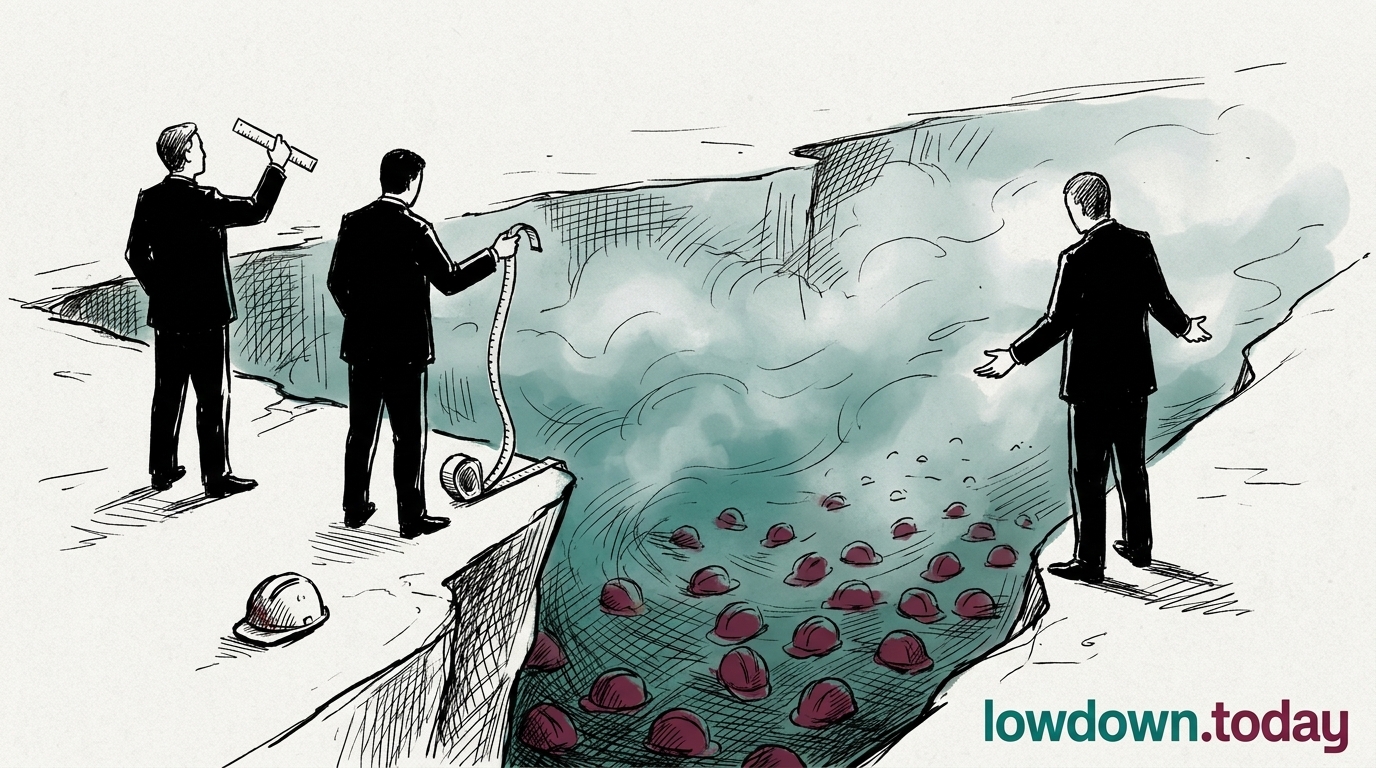
The Resolution Foundation credits higher taxes with all of the improvement in the public finances to 2028-29; the Institute for Government says the hard choices were pushed into 2027.

EconomicAssessed
Key takeaway

The Resolution Foundation says £107bn of higher tax more than accounts for the improvement to 2028-29.

The Resolution Foundation, a centre-left think tank on living standards, credited tax with all of the improvement in the government's finances on 29 October⁠1. In its words, the £76bn rise in the primary balance (revenue minus spending, leaving out debt interest) from 2023-24 to 2028-29 "is more than fully accounted for by £107 billion of higher tax revenues". Before the Budget, it had said welfare spending ran about £2.5bn above expectations in September, City AM reported.

The Institute for Government, a non-partisan think tank, wrote on 30 October that "most of the difficult decisions have been punted forward into 2027"⁠2.

Tax Justice UK, a left-leaning campaign group, published its verdict on the Budget on 4 November⁠3 and still argues that ten tax reforms would raise over £60bn a year⁠4. The Institute of Economic Affairs, a free-market think tank, set out its own plan on 19 October, before the Budget. It would suspend the triple lock for three years. The triple lock is the promise to raise the state pension each year by the highest of inflation, earnings or 2.5%.

Tax Justice UK and the Institute of Economic Affairs both campaign for their plans. They state positions rather than findings, and neither plan has been officially costed.


Deep Analysis

In plain English

After each Budget, independent groups publish their own verdicts. Some are think tanks that research policy; some are campaign groups that argue for a cause. The Resolution Foundation studies living standards and leans centre-left. The Institute for Government studies how government works and takes no side. Tax Justice UK campaigns for higher taxes on wealth. The Institute of Economic Affairs argues for lower taxes and a smaller state. A campaign group's figure states what it wants. It is not an official estimate of what a policy would raise.

Deep Analysis
Root Causes

Much of the spending is already promised before any Budget begins. Debt interest, the state pension triple lock and the defence path all rise on their own, and on the Resolution Foundation's figures the repair so far has come from tax.

The triple lock shows the scale. The Office for Budget Responsibility's January costing put it at £15.5bn a year by 2029-30, roughly three times its original estimate, and the Institute of Economic Affairs' plan starts with it.

What could happen next?
  • Meaning

    The Budget's improvement in the public finances rests on tax revenue, on the Resolution Foundation's reading.

  • Consequence

    Decisions the Institute for Government says were pushed into 2027 land at next year's spending review.

First Reported In

Update #6 · Britain is over its borrowing plan, not out of credit

Resolution Foundation· 16 Nov 2026
Read original →
Causes and effects
This Event
Think tanks split on what the Budget did
Two independent think tanks read the Budget as leaning on tax and deferring hard choices, while campaigners on left and right press opposite plans.
Different Perspectives
Competition and Consumer Commission of Singapore
The regulator found on 27 November that businesses can still choose and switch between cloud providers and AI models. It named dominant firms blocking rival AI agents as a risk, but answered with eight voluntary principles rather than rules.
La Poste
La Poste
France's state-owned postal group signed its first AI accord with four union confederations on 19 November, setting up a joint committee to oversee AI use. The announcement gives the unions a say, but no job security and no training hours for its 227,000 staff.
Nascent Information Technology Employees Senate (NITES)
The IT workers' union asked India's central government on 26 November for a mandatory national policy on AI layoffs, with every automated job cut logged in public. It expects to meet Labour Ministry officials; no government response has been reported.
China State Council
China State Council
Beijing's cabinet told local governments to pace AI in labour-intensive industries and to screen large AI projects for job losses. It keeps backing AI but wants the replacement of workers slowed, and it set no numeric targets.
SAP
SAP
SAP answered Bloomberg's report of at least 10,000 planned job cuts by telling CNBC that nothing is settled. In Germany a cut on that scale goes through works councils, and its 2024 round of about 10,000 ended mostly in voluntary departures.
Nvidia's board of directors
The board reinstated Jensen Huang on 22 November after input from senior levels of the US government, while its committee of independent directors keeps investigating. Its confidence rests, by its own account, on Washington's input, and the company says it will keep cooperating with government inquiries.

Written with AI from Lowdown's published reporting. Not individually reviewed by an editor. Editorial standards.
