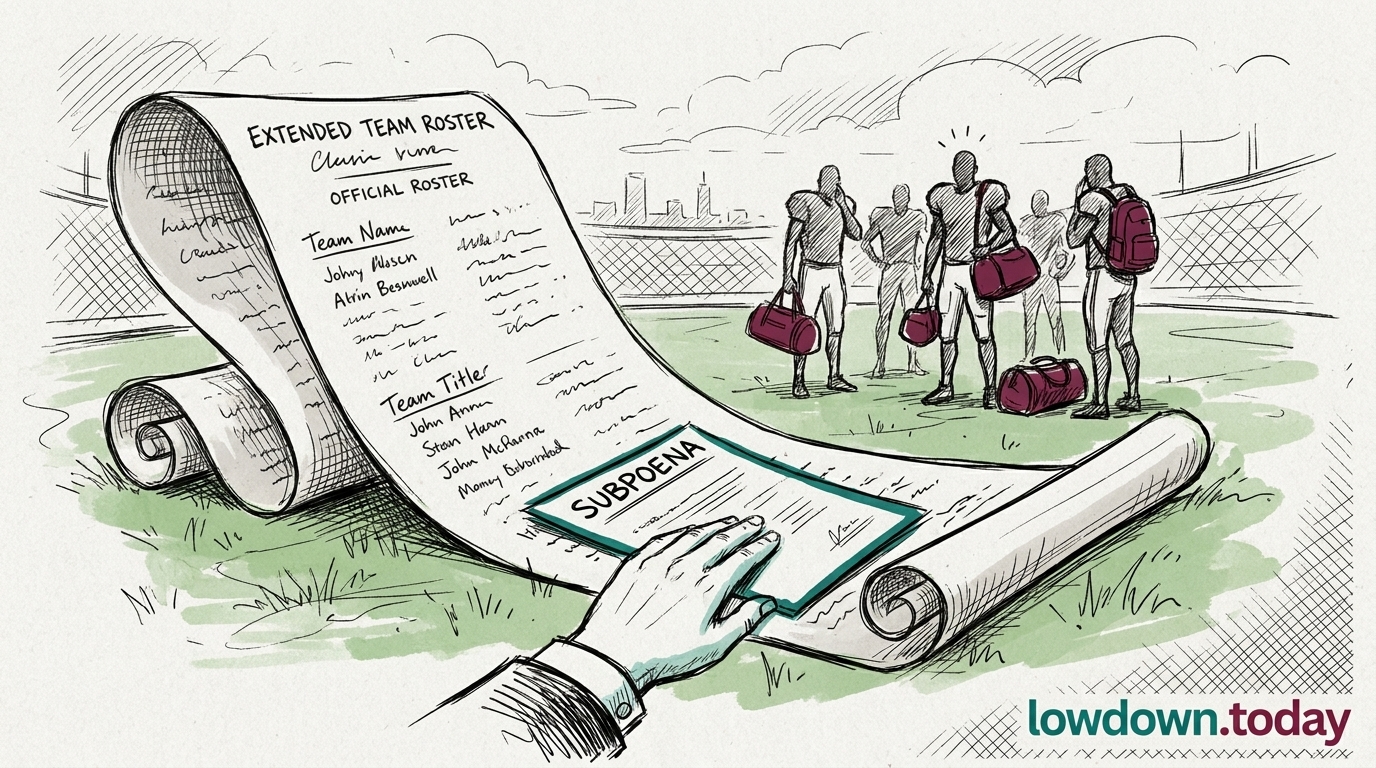
The New York and New Jersey attorneys general subpoenaed FIFA over World Cup ticket pricing while the resale market was in freefall, and that investigation now runs against contradictory evidence1. A subpoena is a compulsory demand for documents, here aimed at how FIFA priced and sold its inventory. The consumer-harm argument was built on a market that sat below face value on 76 of 78 United States fixtures, down 37% from peak, a week before kickoff. Low-demand fixtures had been trading at or below their $120 face value.
One full matchday reversed it. Ticketdata.com records almost every remaining match rising, several marquee fixtures by more than 100% since opening day2. United States v Turkey, the 25 June fixture at Los Angeles Stadium, is up 109% to a $2,132 minimum (about £1,700 a seat); Belgium v Iran is up 98% to $823; England v Croatia rose 102%; a round-of-32 tie at Levi's Stadium is up 136%. More than half of the 92 remaining matches now carry a get-in price (the cheapest available resale ticket) above $1,000.
Resale prices track perceived scarcity, not face value. Before kickoff the market priced empty-stadium risk and bulk-dumped corporate inventory; the matchday-1 spectacle, and a 4-1 United States win over Paraguay, replaced that fear with organic demand. A regulator examining Dynamic pricing has now watched the same seats swing from below face value to triple-digit premiums in a fortnight. The attorneys general argue inflated pricing against evidence that those seats traded below face value seven days earlier, which complicates any single-snapshot damages claim.




