Skip to content
Briefings are running a touch slower this week while we rebuild the foundations.See roadmap
2026 FIFA World Cup
11MAY

Gravina report puts Italian club debt at €5.5 billion

3 min read
10:30UTC

Lowdown Editorial Desk

SportDeveloping
Key takeaway

Italian football's debt is now a documented €5.5 billion; the reforms that might address it require parliament.

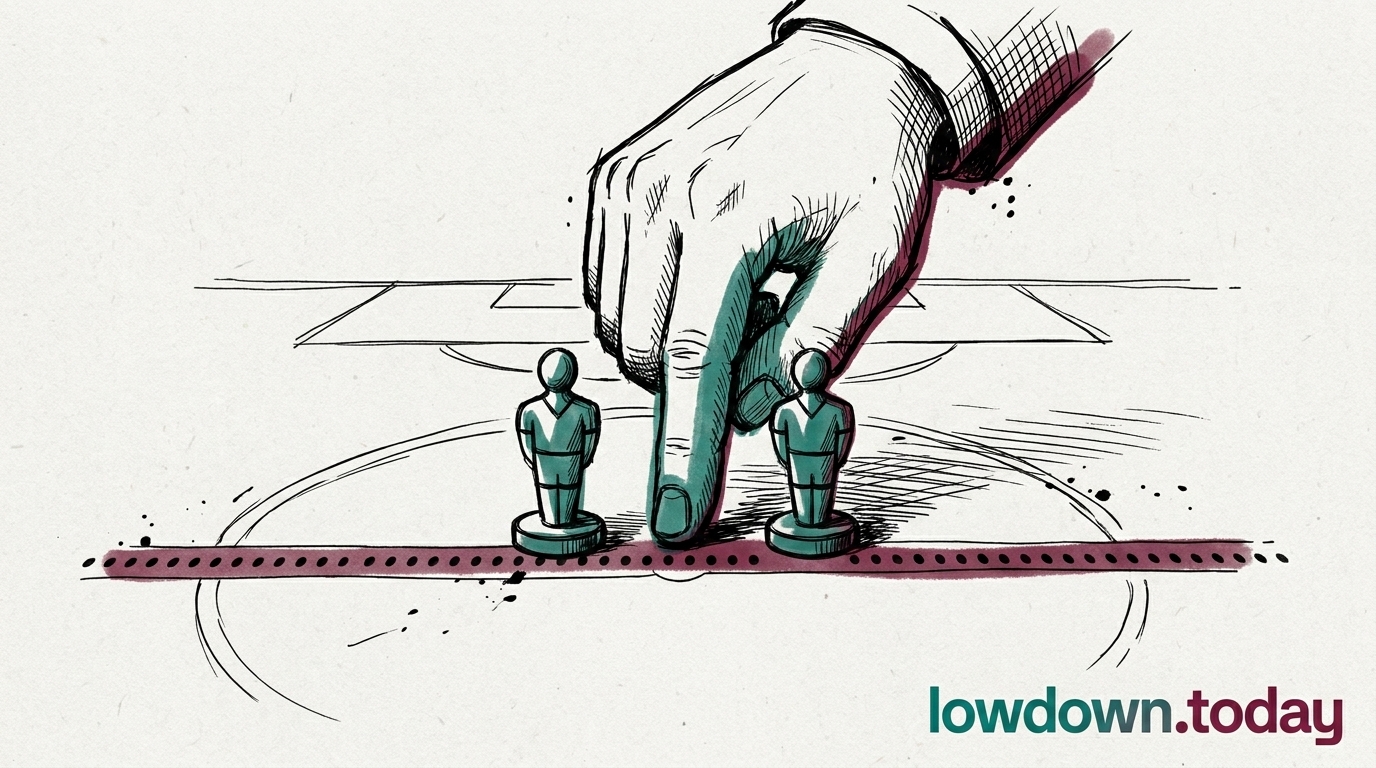
Gabriele Gravina submitted his final parliamentary report as FIGC president on 8 April, with the headline figure that Italian professional clubs collectively carry €5.5 billion of debt and book annual losses in excess of €730 million 1 . The submission lands two months before his successor takes office and frames the financial position the next president must legislate against.

Malagò's three headline reform proposals are calibrated to that ledger. Each addresses a distinct mechanism. The youth-development tax break attacks the supply-side cost of developing domestic players. Restoring gambling-sponsorship revenue reopens a category clubs have not had access to for eight seasons. The proposed sports-betting turnover levy, projected at roughly €160 million a year earmarked for football, is designed as a structural transfer from a complementary industry into the federation's accounts.

All three reforms require Parliament. None can be enacted by federation resolution. That technical fact is what underpins the clubs' decision to back a CONI president with cross-bench access. It also defines the test for the new presidency in its first 12 months: whether any of the three measures gets a vote, regardless of whether they pass.

The report is also the document the next president will inherit as the published baseline. A successor who fails to move the legislative file within a parliamentary cycle will be measured against numbers their predecessor wrote into the parliamentary record on his way out.


Deep Analysis

In plain English

Italy's top football clubs collectively owe €5.5 billion and are losing more than €730 million a year. To put that in perspective: Serie A clubs are spending significantly more than they earn, and have been doing so for years. Giovanni Malagò, the incoming FIGC president candidate, has proposed three ways to help: reinstating a tax break for player wages, reversing an advertising ban for gambling companies (which are big sports sponsors), and introducing a 1% levy on sports betting that would generate about €160 million a year for the clubs. All three require the Italian parliament to pass new laws. That is not certain to happen. Even if they did, the measures would help the clubs' cash flow but would not eliminate the underlying debt, which has been accumulating for over a decade.

What could happen next?
  • Risk

    Parliamentary rejection of the Growth Decree reinstatement, the highest-value measure, would leave Serie A clubs with no structural remedy, increasing the likelihood of one or two major clubs entering financial distress within two to three years.

  • Consequence

    The gambling advertising repeal is the most immediately actionable of the three proposals, requiring no new primary legislation, only a ministerial order, but it has been politically toxic since the 2018 ban and faces opposition from public health lobbies.

First Reported In

Update #7 · 57 Days to Go: Iran said yes in Antalya

ANSA· 15 Apr 2026
Read original
Different Perspectives
Brazilian Football Confederation
Carlo Ancelotti's CBF named a 55-man preliminary squad on 9 May including Neymar, absent since October 2023, with the final 26 announced 18 May. Rodrygo and Militão were ruled out; the inclusion of Neymar serves both the coaching staff's tactical options and CBF's commercial interests in the home-continent cycle.
Confederation of African Football
CAF issued no public statement on the $15,000 visa bond affecting five qualified African nations, named by Al Jazeera on 5 May. Per BBC Africa Sport, CAF privately encouraged federations to use bilateral diplomatic channels rather than issue a collective protest, reflecting the body's institutional dependency on FIFA's commercial framework.
Giovanni Malagò / Serie A
Malagò reached 48% confirmed FIGC assembly bloc on 10 May after Lega B and Lega Pro signalled support, driven by Serie A clubs' need for parliamentary access to three debt-reduction reforms. A pre-vote majority before the 13 May declaration deadline would make the 22 June election ceremonial.
Football Supporters Europe / Euroconsumers
The Article 102 TFEU complaint filed on 24 March remains unacknowledged by DG COMP 18 days past the procedural deadline; MEP Brando Benifei and 24 colleagues filed a parliamentary question E-001336/2026 demanding an explanation from the Commission.
Human Rights Watch
Human Rights Watch
HRW's 11 May deadline for host cities to publish rights action plans passed with 12 of 16 cities non-compliant. HRW disputes FIFA's position that internal submission satisfies the transparency requirement, arguing fans cannot read what protections their city have committed to.
UNITE HERE Local 11
UNITE HERE Local 11
Filed NLRB and California AG complaints naming FIFA on 8 May, describing a SoFi Stadium strike as 'pretty realistic'. The filings follow five weeks of FIFA non-response to its April letter and test whether a Swiss event organiser can be bound by US employment and privacy law through its licensee chain.


